Views: 1 Author: Site Editor Publish Time: 2026-02-24 Origin: Site
Every agricultural distributor knows the sinking feeling of opening a shipment only to find damaged goods. You spend months cultivating the perfect crop, optimizing soil conditions, and timing the harvest. Yet, all that hard work can be undone in seconds if your product suffers from bumps and bruises during transit.
This is where high-quality protective packaging becomes non-negotiable. Specifically, finding the right single layer foam net solution is the difference between profit and loss. If you are looking to protect your harvest, this Q&A guide will help you understand what to look for in fruit packaging foam nets and how to select a partner who can meet your supply chain needs.
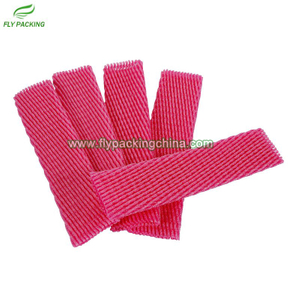
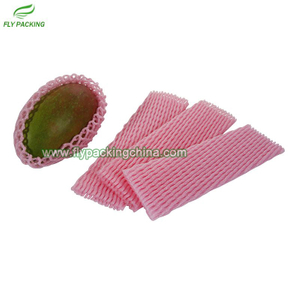
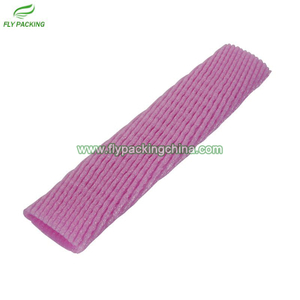
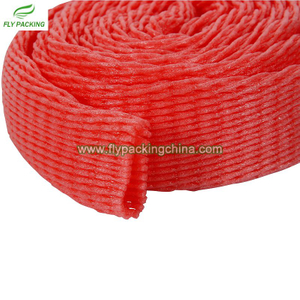
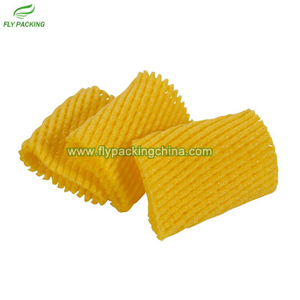
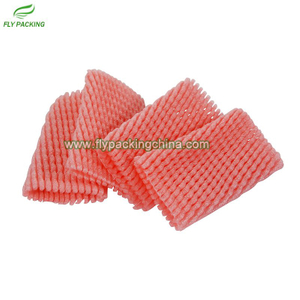
A single layer foam net is a protective mesh sleeve made from expanded polyethylene (EPE). It is designed to wrap around individual fruits—such as apples, pears, mangoes, and papayas—to provide a cushion against impact.
Unlike rigid packaging, these nets are flexible. They expand to fit the unique shape of the produce, ensuring a snug fit that prevents movement inside the crate. This friction reduction is vital. When fruit rubs against cardboard or other fruit during long haul transport, it causes skin abrasion and bruising. A foam net acts as a soft barrier, absorbing shock and vibration, ensuring your produce arrives at the market looking as fresh as it did when it left the farm.

Not all foam nets are created equal. When evaluating samples from a potential single layer foam net manufacturer, you should look for specific physical properties. A low-quality net might look fine initially but can snap or lose elasticity under pressure.
Here is a breakdown of the key features you should expect from professional-grade fruit packaging:
Feature | Description | Benefit for the Grower |
Material Elasticity | The ability of the net to stretch and return to shape. | Accommodates different fruit sizes without tearing or becoming too loose. |
Mesh Density | The structure of the holes in the net. | Provides breathability, preventing moisture buildup and rot while still offering solid protection. |
EPE Material | Expanded Polyethylene construction. | Non-toxic, odorless, and chemically inert, making it safe for direct food contact. |
Custom Sizing | Availability of different lengths and widths. | Ensures you aren't forcing large fruit into small nets, which causes damage. |
Finding a supplier is easy; finding a reliable partner is the challenge. When you are vetting a single layer foam net manufacturer, you need to look beyond just the price per unit. You need to consider their production capacity, their experience in the export market, and their ability to customize.
A top-tier manufacturer should offer:
· Scalability: Can they handle peak season orders? Look for factories with multiple extrusion production lines.
· Customization: Can they produce specific colors to match your branding or specific sizes for unique produce?
· Logistics Expertise: Do they know how to pack a container efficiently to save you money on shipping?
For example, Fly Packing Co., Limited has established itself as a leader in this space. Established in 2002, they operate a 4,000-square-meter facility with an annual output of over 450 tons. Their longevity in the market proves they understand the nuances of agricultural packaging.
If you are currently sourcing fruit packaging foam nets, Fly Packing Co., Limited offers distinct advantages that streamline the procurement process. Based in Kaiping City, Guangdong, they specialize in agricultural packing materials and serve markets across North America, South America, Europe, and Southeast Asia.
Here is why they stand out:
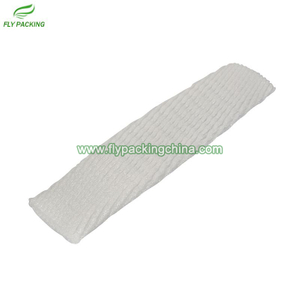
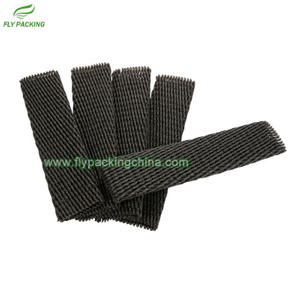
· Massive Variety: They produce more than 100 varieties of colors and sizes. Whether you need standard white nets for pears or vibrant colored nets for premium branding, they have the capability.
· Cost-Saving Logistics: Shipping air (foam) is expensive. Fly Packing uses a special packing method that allows them to fit a higher quantity into shipping containers, significantly reducing your freight cost per unit.
· Responsiveness: In the export business, communication is key. They promise inquiries are replied to within 12 hours.
· Free Samples: They are confident enough in their product quality to offer free samples so you can test the durability before you commit to a bulk order.
Protecting your harvest is about risk management. By investing in high-quality single layer foam nets, you are insuring your product against the rough reality of logistics.
If you are ready to upgrade your packaging solution, partnering with an experienced manufacturer like Fly Packing Co., Limited ensures you get consistent quality, timely delivery, and a product that fits your specific needs. Don't let poor packaging cut into your margins—choose a manufacturer that cares about your fruit as much as you do.

| | 1/F, NO.81, CHANGZHEN ROAD, SHUIKOU TOWN, KAIPING CITY, GUANGDONG, CHINA |
| | +86-0-136 3183 6942 / +86-0-134 2677 9895 +86-750-2280358 |
| |