Views: 9 Author: Site Editor Publish Time: 2026-09-02 Origin: Site
Long-distance freight puts constant pressure on delicate cargo. Vibration, stacking loads, and shifting weight cause most damage—not dramatic accidents, but slow, grinding contact over hundreds of miles. For growers, packers, and exporters, that damage eats directly into profit margins.
Foam mesh sleeves solve this by absorbing shock and separating items so they never rub or knock against one another. This article explains why these lightweight cushions have become a standard tool for protecting produce and fragile goods across long supply chains, and what makes them so effective in transit.
Post-harvest losses cost farmers billions every year. A bruised apple, a cracked pear, or a scratched mango rarely gets damaged in the field. The harm happens during loading, stacking, and the long haul between farm and market.
Fragile goods like wine bottles and glass jars face the same threat. They break because they move when they shouldn't. A bottle knocking against a crate wall or vibrating loose during a journey adds up to cracks and shattered goods by the time the shipment arrives.
Packaging is where that battle is won or lost. Cushioning that keeps each item stable and separated makes the difference between a profitable delivery and a claim-filled one.

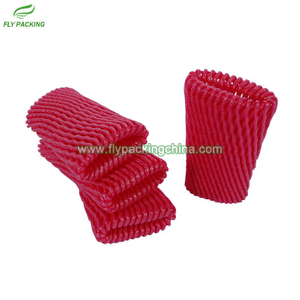
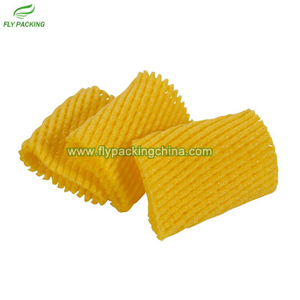
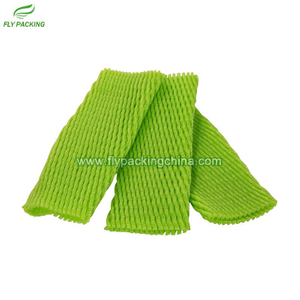
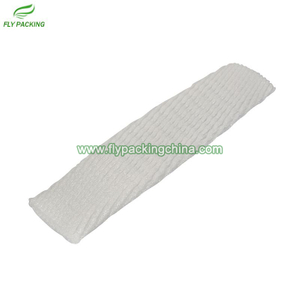
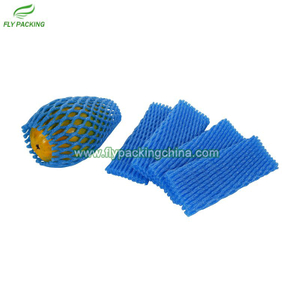
Foam mesh is made from polyethylene, a soft, resilient material that compresses on impact and springs back into shape. Wrapped around an item, it forms an air-filled buffer that soaks up vibration and pressure.
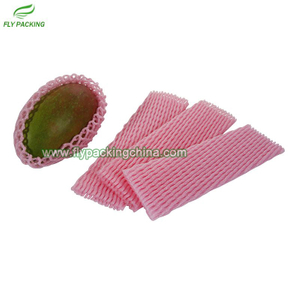
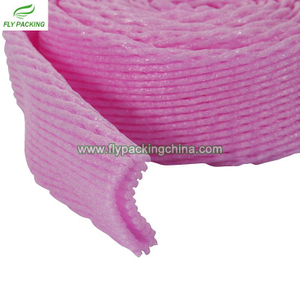
Its open, netted structure gives it two more advantages. First, it breathes—airflow reaches fresh produce, which slows spoilage during long trips. Second, it stretches to fit odd shapes, hugging round fruit and irregular bottles snugly. That snug fit stops movement, and stopped movement means fewer scratches, dents, and breaks.
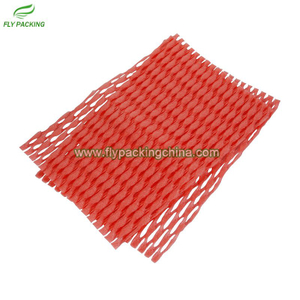
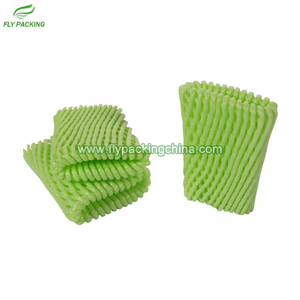
fruit protective foam nets are especially popular with exporters shipping apples, pears, mangoes, and citrus, since each piece can be sleeved individually for maximum protection.
Different jobs call for different products. The table below compares the main foam packaging types and where each performs best.
Product type | Best suited for | Key benefit | Typical use case |
|---|---|---|---|
Single layer foam net | Lightweight fruit and small items | Economical, breathable | Apples, pears, citrus |
Double layers foam net | Heavier or premium fruit | Extra cushioning | Mangoes, avocados, export-grade produce |
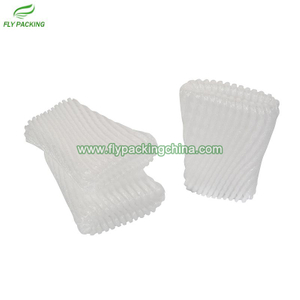
Foam net roll | Custom-length wrapping | Flexible sizing | Bottles, jars, mixed cargo |
Uncut foam net | High-volume packing lines | Cut to any size on site | Warehouses and packing stations |
For operations that value flexibility, Uncut Foam Mesh lets packing teams trim sleeves to the exact size they need, cutting waste and adapting to any product on the line.

Not all cushioning performs equally. When comparing options, weigh material quality, sizing range, and delivery speed. A thin, low-density net may save a little upfront but offers weak protection under heavy stacking loads. Choose a denser, double-layer option if your cargo is heavy or high-value; a single-layer net works well if breathability and cost matter most.
Reliable foam net manufacturers offer a range of diameters, thicknesses, and formats so you can match the cushion to the cargo. Free samples, fast delivery, and export experience are strong signals that a supplier can support long-distance shipping without disruption.
To maximize protection, size the sleeve to the product. A sleeve that's too loose lets items slide; one that's too tight can compress fresh produce. Combine sleeves with vented liners or protective bags for an added layer of defense, and always secure loads inside crates to limit shifting.
Damage in transit is rarely caused by one big event. It builds up through countless small movements over a long journey. Foam mesh cushioning tackles that problem at the source by keeping every item stable, separated, and buffered from shock.
Foam net packaging reduces long-distance freight damage by wrapping each item in a breathable polyethylene cushion that absorbs vibration and pressure while stopping products from rubbing or knocking together. Choosing the right density and format—and a proven supplier—keeps produce and fragile goods intact from the packing line to final delivery, protecting both product quality and profit margins.
Yes. Its cushioning and stretch make it effective for produce like apples and mangoes as well as fragile items like wine bottles, glass jars, and perfume flacons.
Single-layer netting suits lightweight, breathable applications and costs less. Double-layer netting gives extra cushioning for heavier or premium products that face harder stacking pressure.
Its open, netted design allows airflow around each piece of fruit, which slows spoilage and reduces moisture buildup during long shipping times.
Yes. Uncut formats and roll options let packing teams trim sleeves to any length or width, reducing waste and adapting to different products.
Compare material density, available sizes, delivery speed, and export experience. Requesting free samples is a practical way to test protection before committing to a large order.

| | 1/F, NO.81, CHANGZHEN ROAD, SHUIKOU TOWN, KAIPING CITY, GUANGDONG, CHINA |
| | +86-0-136 3183 6942 / +86-0-134 2677 9895 +86-750-2280358 |
| |