Views: 1 Author: Site Editor Publish Time: 2026-10-21 Origin: Site
Every piece of fruit that leaves a farm faces a journey it was never built for. Trucks jolt over uneven roads, pallets shift inside shipping containers, and temperature swings stress delicate skins long before a mango or a bottle of wine reaches a store shelf. A single bruise, crack, or scuff can turn a saleable item into waste, and that loss adds up fast across a full container load.
Packers and exporters have spent years refining how they wrap, cushion, and separate goods during transit. The materials chosen for this job matter as much as the care taken loading a truck. Soft, breathable layers that cushion each item individually tend to outperform bulk packing methods that leave fruit pressed against fruit or glass against glass.
This article looks at how foam-based protective materials work, where they fit into a packing line, and what growers and exporters should weigh when choosing between different styles of cushioning. We will also cover a comparison table and answer the most common questions packers ask before switching suppliers.
Thin-skinned produce like mangoes, grapes, and stone fruit bruises when even light pressure concentrates on one spot. A firm knock against a crate wall, a neighboring piece of fruit pressing during a long drive, or vibration from hours on a highway all contribute to hidden damage that often does not show up until days later. By the time a shopper notices a soft spot, the exporter has already lost the sale and, in many cases, the relationship with that retailer.
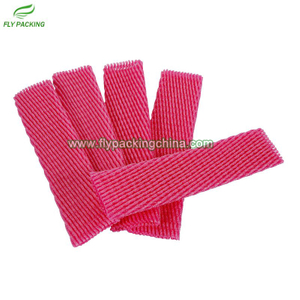
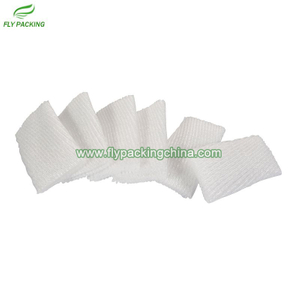
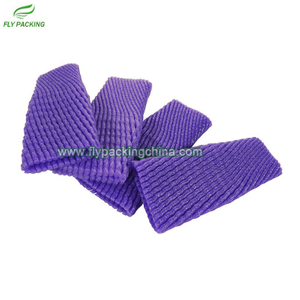
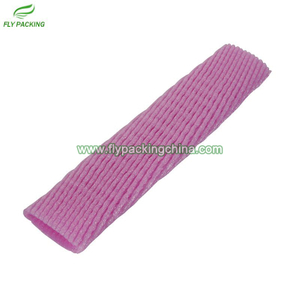
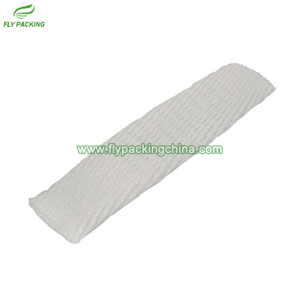
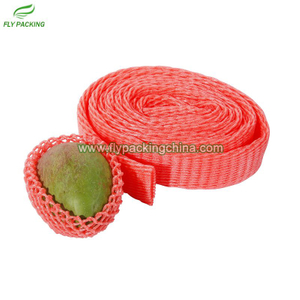
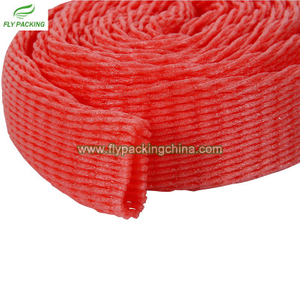
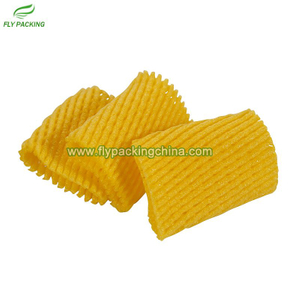
Growers who wrap each piece individually using fruit netting see noticeably fewer rejected shipments. The open-cell structure spreads pressure evenly across the surface of the fruit instead of letting it concentrate on a single point, and the material flexes with the shape of whatever it covers, whether that is a round apple or an irregular avocado.

Foam mesh materials rely on a simple principle: trapped air and flexible cell walls absorb energy before it reaches the product inside. When a crate gets dropped, tilted, or jostled, the foam compresses and springs back rather than transferring that force directly to the fruit or glass it surrounds.
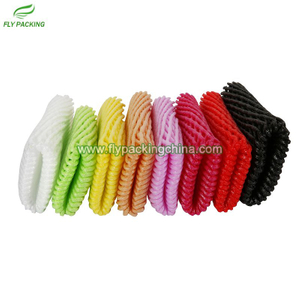
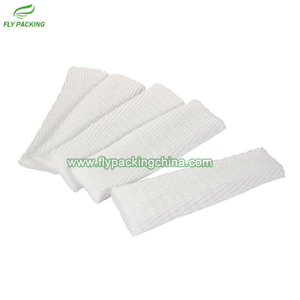
A fruit foam net wraps snugly around individual pieces, creating a buffer between neighboring items inside a box. Because the material is lightweight and breathable, it does not trap moisture against the skin, which helps slow mold growth and extends shelf life compared with solid plastic wraps that seal in humidity.
Beyond produce, this same cushioning principle protects bottles, jars, and other fragile goods moving through export channels. Wine producers and glass manufacturers use similar sleeve-style wrapping to prevent bottles from clinking together and chipping during transit.
Choosing a packing material supplier comes down to a few practical factors: consistency of the foam density, availability of different roll widths and sleeve sizes, and how quickly a supplier can turn around orders during peak harvest season. A supplier that offers to-door delivery and responds to inquiries quickly reduces the back-and-forth that slows down a packing schedule.
Fly Packing, based in Guangdong, China, has manufactured foam net packaging and related materials since 2002, supplying growers and exporters across agriculture-heavy regions. The company's product range includes single and double-layer foam nets, foam sheets, foam cushions, and backer rods, alongside sample programs that let packers test materials before committing to a full order.

The table below outlines how different materials typically perform across the factors that matter most to fruit and fragile goods packers.
Material Type | Best For | Breathability | Reusability | Typical Cost Tier |
|---|---|---|---|---|
Foam mesh sleeve | Individual fruit, bottles | High | Low | Low |
Solid plastic wrap | Bulk bundling | Low | Low | Low |
Molded foam tray | Uniform-shaped produce | Medium | Medium | Medium |
Corrugated divider | Case separation | Low | High | Low |
Bubble wrap sleeve | Glass, ceramics | Low | Low | Medium |
Foam mesh sleeves consistently score well for produce specifically because they combine airflow with shock absorption, something solid wraps and rigid trays cannot match at a similar price point.
Reducing bruised or broken shipments has a direct effect on how much saleable product reaches its final destination. Choose foam-based cushioning if spoilage and breakage rates are higher priorities than minimizing upfront material spend, since the airflow and shock absorption these materials provide typically translate into fewer rejected cases at the receiving end. Choose simpler bulk wrapping methods only for sturdier produce that tolerates more handling, such as root vegetables or citrus with thicker skins.
Exporters shipping delicate items across long international routes, particularly by sea, tend to see the clearest benefit from switching to mesh-style cushioning, since those shipments face the longest transit times and the most handling touchpoints.
Packing decisions made at the farm or warehouse level ripple all the way through to the retail shelf. A piece of fruit wrapped properly survives a bumpy truck ride and a long sea crossing without a mark; one left unprotected often does not. The same logic applies to glass, where a thin layer of cushioning stands between a full case arriving intact and a shipment full of breakage claims.
Growers, packers, and exporters weighing their options should start by identifying which products in their lineup face the highest breakage or bruising rates, then match the cushioning method to that risk level rather than defaulting to whatever packing style has always been used. In short: individually wrapped, breathable foam cushioning protects thin-skinned produce and fragile glass items far more reliably than bulk wraps or rigid trays, and suppliers like Fly Packing, who have manufactured these materials since 2002, offer sample programs that make testing a new approach straightforward before a full shipment goes out the door.
Quick answer:
Fresh fruit and fragile goods survive long shipping routes when packers use cushioning materials that absorb shock, prevent surface contact, and allow airflow. Foam sleeves, mesh wraps, and padded liners reduce bruising, cracking, and spoilage before products ever reach a buyer. Fly Packing supplies these materials to growers and exporters worldwide.
What types of produce benefit most from foam mesh wrapping?
Thin-skinned fruits such as mangoes, pears, apples, and grapes benefit the most, along with glass items like wine bottles and jars that chip or crack on contact.
How long does foam net packaging take to arrive after ordering?
Delivery timelines vary by supplier and shipping method, but companies offering stable production schedules and to-door service, such as Fly Packing, typically quote delivery windows during the inquiry process.
Are foam mesh sleeves reusable?
Most foam mesh sleeves are designed for single-use protection during shipping rather than repeated reuse, since the open-cell structure compresses over time and loses some of its cushioning ability after multiple cycles.
What alternatives exist if foam mesh isn't suitable?
Molded foam trays, corrugated dividers, and bubble wrap sleeves all offer alternative protection, though each comes with trade-offs in breathability, reusability, or cost that matter depending on the product being shipped.
Who typically supplies these materials for export packing?
Manufacturers specializing in agricultural packing materials, like Fly Packing, supply foam nets, cushions, and sheets directly to growers, packers, and exporters, often including free samples before larger orders are placed.

| | 1/F, NO.81, CHANGZHEN ROAD, SHUIKOU TOWN, KAIPING CITY, GUANGDONG, CHINA |
| | +86-0-136 3183 6942 / +86-0-134 2677 9895 +86-750-2280358 |
| |