Views: 15 Author: Site Editor Publish Time: 2026-02-03 Origin: Site
Transporting fresh produce is a high-stakes game. You spend months cultivating the perfect crop, only to risk losing a significant portion of your harvest to bumps and bruises during transit. This is where high-quality protective packaging becomes non-negotiable.
Whether you are shipping fragile papayas or expensive wine bottles, the right cushioning can mean the difference between profit and loss. If you are exploring packaging options or looking for a new supplier, you likely have questions. This guide answers the most common inquiries regarding foam protection, helping you secure your goods and your bottom line.
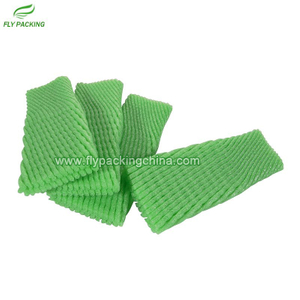
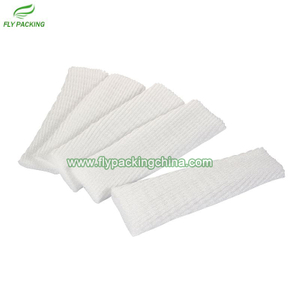
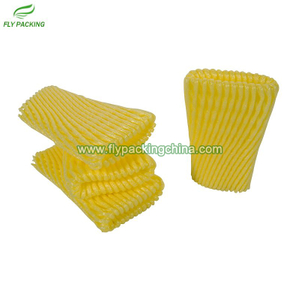
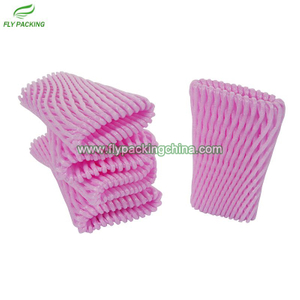
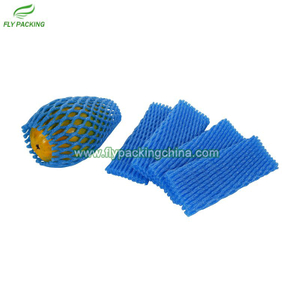
Agricultural distributors know the sinking feeling of opening a container to find damaged goods. A fruit foam sock acts as a critical barrier between your delicate produce and the harsh realities of logistics.
During shipping, crates shift and vibrations travel through the cargo. Without individual protection, fruits rub against each other or hard surfaces, causing skin abrasion and deep bruising. A foam sock absorbs these shocks. It provides a breathable cushion that not only prevents physical damage but also allows air circulation, which helps maintain freshness. Investing in proper padding reduces waste and ensures your customers receive the premium quality they expect.

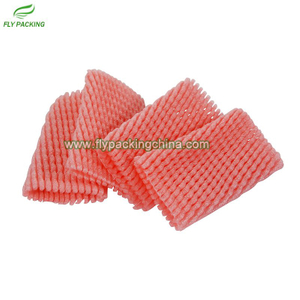
Not all produce requires the same level of protection. A professional foam net manufacturer typically offers various specifications to match different weight classes and fragility levels.
Here is a breakdown of the common types you might encounter:
Product Type | Best Use Case | Key Feature |
Single Layer Foam Net | Apples, pears, and standard produce. | Lightweight and cost-effective protection against surface scratches. |
Double Layer Foam Net | Heavy or highly fragile items (e.g., melons, glass bottles). | thick cushioning for maximum shock absorption. |
Uncut Foam Mesh | Custom-sized items or continuous wrapping needs. | Versatile rolls that can be cut to any specific length. |
While pre-cut socks are convenient for standard fruits, uncut foam mesh offers superior flexibility. This product usually comes in rolls (such as 20-meter continuous lengths), allowing you to customize the packaging on the fly.
This is particularly useful if you ship products of varying lengths or need to wrap non-standard items like table legs, electronic components, or irregular glass vases. You simply pull the required length from the roll and cut it. This ensures you aren't limited by pre-set sizes, reducing material waste for odd-shaped items.
Selecting a supplier is about more than just price; it is about reliability and capacity. When vetting a manufacturer, look for their production capabilities and customization options.
For example, Fly Packing Co., Limited is a prime example of a manufacturer equipped to handle large-scale demands. With a factory covering 4,000 square meters and four high-quality foam extrusion production lines, they boast an annual output of over 450 tons.
You should ask potential suppliers the following:
· Can you customize? Top manufacturers can develop foam products in different weights, colors, and styles to fit your brand.
· What is your capacity? Ensure they can scale up production during your peak harvest seasons.
· Do you export? Experienced exporters understand the logistics of getting packaging materials to international markets efficiently.
Absolutely. While they are often associated with papayas, mangoes, and apples, the shock-absorbing properties of expanded polyethylene (EPE) foam make it ideal for industrial use.
You will often see these nets protecting:
· Glassware and Ceramics: Wine bottles, jars, and vases.
· Metal Parts: Precision tools and machined parts that cannot suffer scratches.
· Electronics: Sensitive components requiring static-free cushioning.
Refining your packaging strategy is one of the easiest ways to improve your profit margins. By choosing the right thickness and style of foam protection, you ensure your product arrives in the same condition it left your facility.
If you are ready to upgrade your packaging solution, consider partnering with a dedicated specialist like Fly Packing Co., Limited. With over a decade of experience since 2002 and a diverse range of products from backer rods to double-layer nets, they can tailor a solution to your specific needs.

| | 1/F, NO.81, CHANGZHEN ROAD, SHUIKOU TOWN, KAIPING CITY, GUANGDONG, CHINA |
| | +86-0-136 3183 6942 / +86-0-134 2677 9895 +86-750-2280358 |
| |