Views: 1 Author: Site Editor Publish Time: 2026-09-14 Origin: Site
Bottles break for one simple reason: they move when they shouldn't. A wine bottle knocking against a crate wall, a glass jar rubbing its neighbor, a shipment jostled by hours of highway vibration—these small motions compound into cracks, scratches, and shattered stock by the time a package reaches its destination. For wineries, distributors, and exporters, that kind of loss cuts directly into margins and damages relationships with buyers who expect intact goods on arrival.
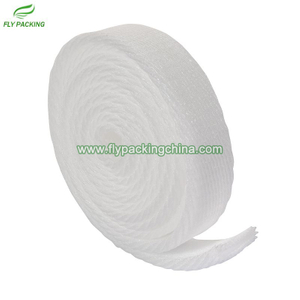
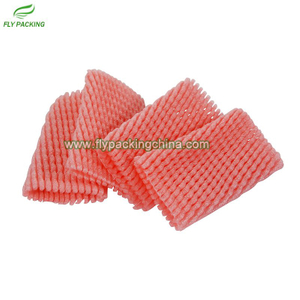
Packaging is where this battle gets won or lost. A well-designed foam net sleeve creates a cushion of air and material between each bottle and everything around it, absorbing shock before it ever reaches the glass. This post breaks down how these sleeves work, what makes one option better suited to a shipment than another, and how to choose the right protective packaging for wine bottles moving through long supply chains.

Glass is strong under steady pressure but fails quickly under sudden impact or repeated friction. According to Fly Packing's own field reports from long-distance freight shipments, most bottle damage doesn't come from dramatic drops or accidents. It comes from slow, grinding contact—stacking loads, vibration, and shifting weight that wear away at the glass over hundreds of miles.
Three conditions cause the majority of breakage during transit:
Vibration: Continuous micro-movements during road or rail transport loosen bottles within their packaging.
Stacking pressure: Bottles at the bottom of a pallet bear the weight of everything above them.
Contact friction: Bottles touching each other or the container wall scratch and chip glass surfaces over time.
Each of these problems has the same underlying fix: keep the bottle from moving, and keep it from touching anything hard directly.
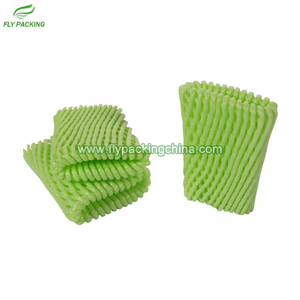
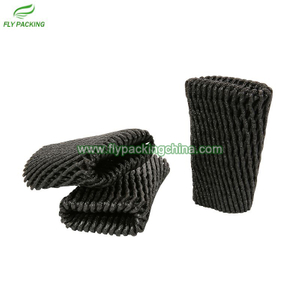
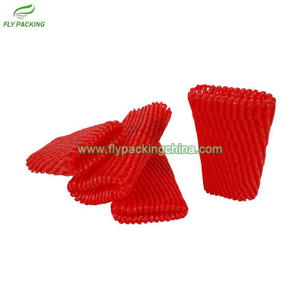
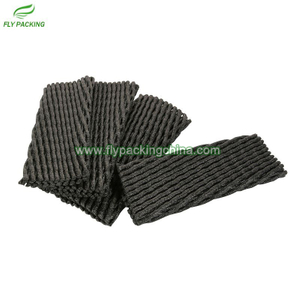
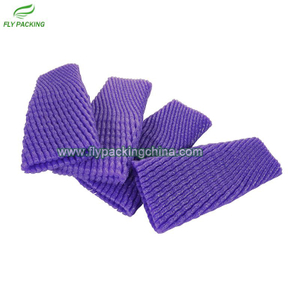
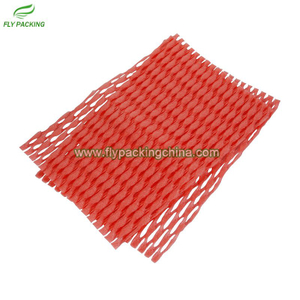
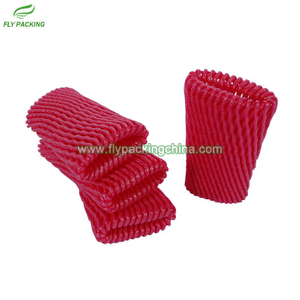
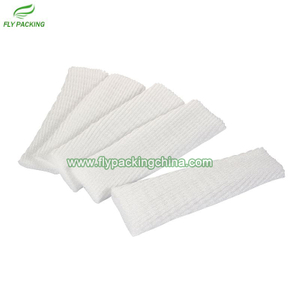
A foam netting sleeves layer works by wrapping the entire body of the bottle in a stretchable, cushioned mesh. Unlike a rigid divider or a flat sheet of foam, the netting flexes with the shape of the bottle, so contact pressure is spread evenly across the surface rather than concentrated at a few points. This even distribution is what prevents the small chips and hairline cracks that show up after a long haul.
When a shipment hits a bump or shifts during loading, the netting compresses slightly and then returns to shape, absorbing the force rather than transferring it directly into the glass. That's the core mechanical advantage over loose packing materials like shredded paper or bubble wrap, which can shift out of place and leave bottles exposed by the time they reach their destination.

Not all cushioning materials perform the same way once a shipment is loaded and moving. The table below compares the most common options used for glass bottle protection during transit.
Packaging Method | Coverage | Breathability | Reusable | Best Suited For |
|---|---|---|---|---|
Loose fill (paper/peanuts) | Partial, shifts easily | Low | No | Short, low-risk shipments |
Bubble wrap | Full, but can slip | Low | Limited | Individual bottles, retail |
Foam sheets/dividers | Fixed positions only | Low | No | Rigid case packing |
Full, form-fitting | High | No | Long-distance freight, export |
The form-fitting nature of a net sleeve is the main differentiator. Because it stretches around the bottle's exact shape rather than sitting in a fixed slot, it stays in contact with the glass throughout the entire journey, even as the shipment shifts.
Not every bottle needs the same level of protection. Lighter, shorter shipments with minimal handling can typically rely on a single layer of foam netting, which keeps material costs down while still preventing surface scratches. Heavier bottles, fragile glass, or shipments crossing long distances with multiple handling points benefit from a double-layer design, which adds extra thickness to absorb harder impacts.
Choose single-layer protection if the shipment is short-haul and handled minimally. Choose double-layer protection if the bottles are heavy, the glass is thin, or the route involves several transfer points where rough handling is more likely.
Shape also matters. Bottles with unusual necks, wide bases, or decorative embossing may need custom-cut netting to maintain full coverage, since a standard sleeve designed for a straight-sided bottle can leave certain areas exposed.
Does a foam net sleeve work for bottles other than wine?
Yes. The same stretchable mesh design used for wine bottles is also common for spirits, olive oil, sauces, and glass jars—any product where surface-to-surface contact during shipping poses a breakage risk.
How much extra packing time does netting add compared to loose fill?
Sleeves typically slide on in a single motion, which is often faster than arranging loose filler material around each bottle by hand.
Are these sleeves recyclable?
Foam netting is generally made from polyethylene, which can be recycled through facilities that accept PE foam, though this varies by region and local recycling infrastructure.
What's the difference between a sleeve and a full foam wrap?
A sleeve is open-mesh and breathable, allowing air circulation while still cushioning the bottle. A full wrap is typically solid foam, offering more rigidity but less flexibility around bottle contours.
Can foam net sleeves be reused?
They're generally designed as single-use packaging, since the netting stretches to fit during application and doesn't return to its original shape once removed.
Bottle breakage during shipping is rarely a single dramatic event. It's the accumulation of small, repeated stresses that packaging is meant to absorb before they ever reach the glass. Choosing the right cushioning material, matching sleeve thickness to shipment length, and paying attention to bottle shape all play a role in whether a case arrives intact or damaged.
Companies like Fly Packing, which has manufactured foam packaging for fresh produce and fragile goods since 2002, note that consistent quality control and proper sleeve sizing make the biggest difference in reducing damage rates across long shipping routes. For any business shipping glass bottles regularly, working with a supplier who understands these variables can meaningfully cut down on breakage-related losses over time.
Quick answer:
A foam net sleeve protects wine bottles by wrapping them in a flexible, stretchable mesh that absorbs vibration, stacking pressure, and contact friction during transit. Compared to loose fill or rigid dividers, netting stays in full contact with the bottle throughout shipping, distributing impact evenly and significantly reducing the risk of cracks, scratches, and breakage on long-distance routes.

| | 1/F, NO.81, CHANGZHEN ROAD, SHUIKOU TOWN, KAIPING CITY, GUANGDONG, CHINA |
| | +86-0-136 3183 6942 / +86-0-134 2677 9895 +86-750-2280358 |
| |