Views: 1 Author: Site Editor Publish Time: 2026-09-22 Origin: Site
Mangoes are among the most bruise-prone fruits moved through global supply chains. Their thin skin and soft flesh mean even a light knock during loading or transport can leave a mark that shows up days later at the retail shelf. For growers and exporters, that kind of damage translates directly into rejected shipments, discounted loads, and frustrated buyers.
Packaging plays a decisive role in preventing this outcome. A well-designed foam sleeve absorbs shock, separates fruit from fruit, and keeps mangoes stable inside a carton, even after hours on a truck or weeks in a shipping container. This post breaks down how foam netting works, what separates single-layer designs from double-layer versions, and how exporters choose the right option for their specific fruit and route.
Mango flesh is dense but delicate near the skin's surface. Compression damage often starts small — a bruise the size of a fingertip — and spreads as the fruit continues to ripen. Vibration during road transport, stacking pressure inside cartons, and repeated handling at ports all contribute to this kind of damage.
According to industry packaging guidance, most produce damage happens gradually through repeated micro-impacts rather than a single dramatic drop. That distinction matters: a padding solution needs to absorb continuous low-level shock, not just one-time impact, which is exactly what expanded foam mesh is designed to do.
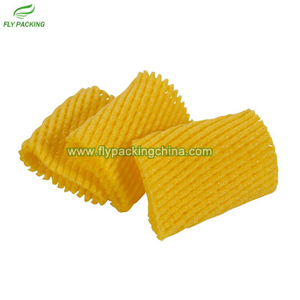
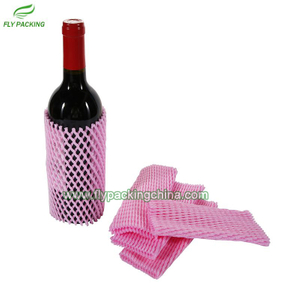
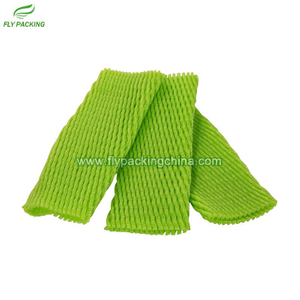
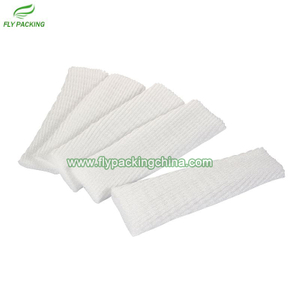
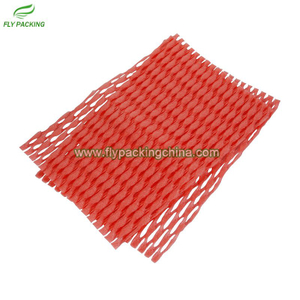
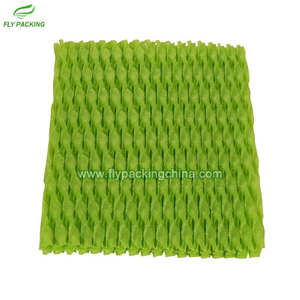
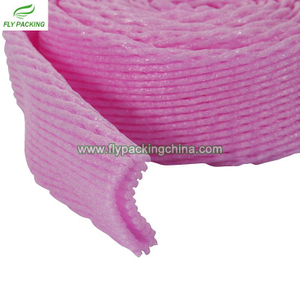
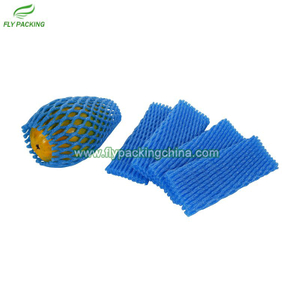
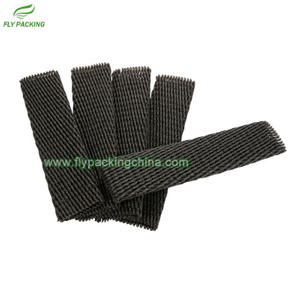
A foam sleeve works by creating a buffer zone around each individual mango. As the fruit shifts inside a box, the net compresses slightly and springs back, absorbing the force before it reaches the skin. This is one of the primary reasons foam netting for mangos has become a standard choice among packers exporting to distant markets, where transit times can stretch from days to weeks.
The open-cell structure of the netting also allows for some airflow around the fruit, which helps reduce condensation buildup inside sealed cartons. That airflow, combined with the physical cushioning, keeps mangoes looking market-ready even after long-haul shipping.

Not every mango shipment requires the same level of protection. Lighter, smaller varieties may do well with a single layer of foam mesh, while heavier or more delicate cultivars often call for extra cushioning. The table below outlines the general differences between the two options.
Feature | Single-Layer Net | Double-Layer Net |
|---|---|---|
Cushioning level | Moderate | High |
Best suited for | Lighter, firmer fruit varieties | Heavier or softer fruit varieties |
Typical shipping distance | Short to medium haul | Long haul or export |
Material usage | Lower | Higher |
Relative cost per unit | Lower | Slightly higher |
Choosing between the two often comes down to the length of the shipping route and the fruit variety's natural firmness. A grower shipping mangoes regionally by truck may find a single layer sufficient, while an exporter sending fruit overseas typically leans toward the double-layer option for added insurance against rough handling. Many packing operations rely on a general-purpose fruit packing foam net for mixed shipments, then switch to a heavier-duty version for their most delicate or highest-value fruit.
Net weight, measured by the density of the foam material, also affects how much protection a sleeve provides. Denser nets offer more resistance to compression but add slightly more bulk to each carton, which can affect how many units fit per box. Packers need to weigh that trade-off against their loading requirements and freight costs.
Color-coded netting is common in the industry, allowing packing lines to visually sort net types by fruit category or destination market without needing to check labels constantly. This small operational detail speeds up packing lines that handle multiple fruit varieties on the same shift.

Consistency matters as much as design when it comes to protective packaging. A batch of netting that varies in thickness or density from one roll to the next can create uneven protection across a shipment, undermining the whole point of using foam packaging in the first place.
Fly Packing Co., Limited, operating as Kaiping Feiliyang Packing Materials Co., Ltd., has manufactured packing materials for fresh produce since 2002. Based in Guangdong, China, the company produces foam fruit netting alongside foam cushions, foam sheets, and backer rods, and offers free samples so packers can test material quality before committing to a full order. The company also states it replies to inquiries within 12 hours and offers to-door delivery service, which matters for exporters working against tight harvest and shipping windows.
What fruits benefit most from foam net sleeves?
Soft-skinned fruits like mangoes, avocados, and pears benefit the most, since they bruise easily under pressure or vibration during transport.
Is double-layer netting always the better choice?
Not necessarily. Double-layer netting offers more cushioning but adds material cost and slightly more bulk per carton. Single-layer netting is often sufficient for firmer fruit or shorter shipping routes.
How long can foam netting protect fruit during shipping?
Foam mesh maintains its cushioning properties for the duration of most standard shipping timelines, including multi-week ocean freight, as long as it isn't compressed beyond its design limits.
Can foam netting be recycled?
Many foam packaging manufacturers now offer recyclable foam options, though availability depends on the specific supplier and local recycling infrastructure.
What should buyers look for in a packaging supplier?
Buyers should prioritize consistent material density, sample availability, and reliable delivery timelines, since inconsistent packaging can undermine protection across a shipment.
Bruised fruit at the point of sale almost always traces back to a decision made much earlier in the supply chain. Choosing the right foam sleeve, matched to the right fruit and route, is one of the simplest ways growers and exporters can protect the value of their harvest without adding significant cost or complexity to their packing line.
Quick answer:
Foam netting protects mangoes and other soft fruit from bruising during shipping by cushioning each piece against vibration and impact. Single-layer nets suit shorter routes and firmer fruit, while double-layer nets offer stronger protection for long-haul or delicate shipments. Sourcing from an established manufacturer helps ensure consistent quality across every batch.

| | 1/F, NO.81, CHANGZHEN ROAD, SHUIKOU TOWN, KAIPING CITY, GUANGDONG, CHINA |
| | +86-0-136 3183 6942 / +86-0-134 2677 9895 +86-750-2280358 |
| |