Views: 8 Author: Site Editor Publish Time: 2026-01-13 Origin: Site
Every year, the global agricultural industry loses billions of dollars due to food waste, and a significant portion of that happens during transit. For fruit distributors and wholesalers, opening a shipping container to find bruised apples, crushed mangoes, or damaged pears is a nightmare scenario. It isn’t just about the loss of product; it’s about the loss of reputation and client trust.
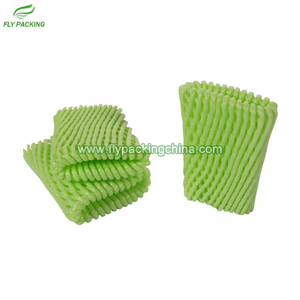
The solution to this expensive problem is often surprisingly simple and cost-effective: the single layer foam net. While it looks like a modest piece of packaging, this expanded polyethylene (EPE) mesh is the first line of defense between delicate produce and the bumps of the supply chain.
If you are sourcing packaging materials, specifically looking at China single layer foam net options, you are on the right track to optimizing your logistics. China remains the global hub for fruit foam net manufacturing, offering high-volume production at competitive rates. This guide will walk you through everything you need to know about these nets, why they are essential for your bottom line, and how to choose the right supplier.
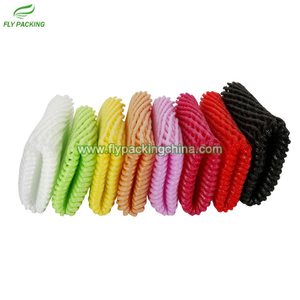
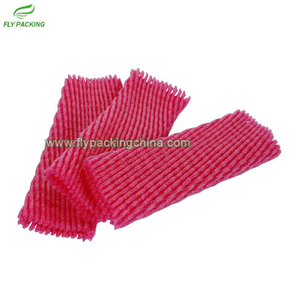
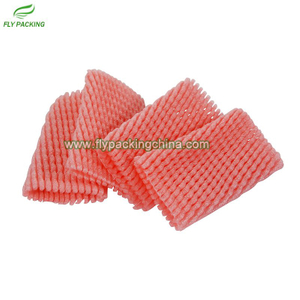
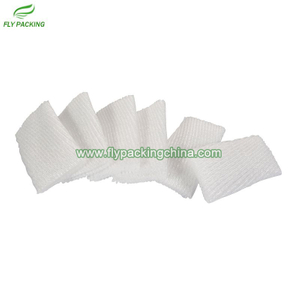
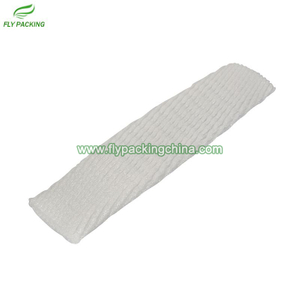
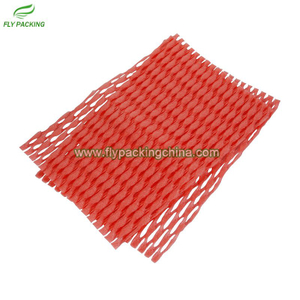
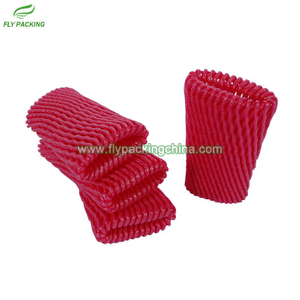
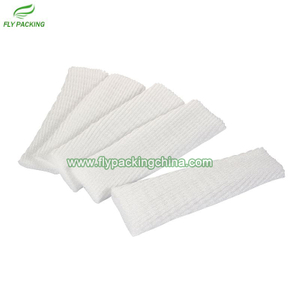
A single layer foam net is a protective sleeve made from EPE foam. Unlike hard plastic shells, EPE is soft, flexible, and possesses excellent shock-absorbing properties. The unique mesh structure allows the net to expand and conform to the shape of the fruit, providing a snug fit without applying crushing pressure.
The "single layer" designation refers to the thickness and density of the mesh strands. It offers a balance between visibility—allowing customers to see the quality of the fruit inside—and protection. It acts as a buffer, absorbing vibrations during truck or ship transport and preventing fruits from rubbing against each other or the walls of the crate.
One of the biggest enemies of fresh produce is moisture accumulation. If you wrap a papaya or a melon in a solid plastic sheet, you trap ethylene gas and moisture, which accelerates ripening and promotes fungal growth.
The mesh design of a single layer foam net solves this problem naturally. It allows for maximum air circulation around the surface of the fruit. This breathability helps maintain a stable temperature and keeps the skin dry, significantly extending the shelf life of the produce. When you are shipping across oceans, those extra few days of freshness can be the difference between a profit and a loss.

When browsing products from a supplier like Fly Packing Co., Limited, you will likely see options for both single and double layer nets. Choosing between them depends on the fragility of your product and your budget.
Here is a quick comparison to help you decide:
Feature | Single Layer Foam Net | Double Layer Foam Net |
Protection Level | Moderate (Great for apples, pears, mangoes) | High (Best for very heavy or fragile items) |
Visibility | High (Fruit skin is visible) | Low (Mesh is denser/thicker) |
Cost | Lower | Higher |
Flexibility | High elasticity | Stiff structure |
Airflow | Maximum | Good |
For the vast majority of standard fruits—such as apples, guavas, and citrus—the single layer foam net provides sufficient impact resistance while keeping packaging costs low.
Not all foam is created equal. Since the market is flooded with options, it is vital to understand what separates a high-quality net from a cheap imitation that might tear during packing.
When evaluating samples from a manufacturer, ask yourself these questions:
1. Is the elasticity consistent? You should be able to stretch the net to fit the fruit, and it should retract snugly. If it stays stretched out, it won't protect the fruit.
2. Is the color uniform? High-quality EPE foam should have a vibrant, consistent color. Fading or blotchy colors can indicate poor manufacturing processes or low-quality raw materials.
3. Is it odorless? EPE is a food-grade material. It should not have a strong chemical smell that could taint the flavor of your produce.
Fly Packing Co., Limited, also known as Kaiping Feiliyang Packing Materials Co., Ltd., operates four high-quality foam extrusion production lines. With an annual output of over 450 tons and experience dating back to 2002, they have refined the manufacturing process to ensure consistent density and durability in every batch.
Sourcing packaging materials locally can be convenient, but for high-volume distributors, the cost difference is undeniable. China single layer foam net manufacturers offer economies of scale that are hard to beat. However, the unit price of the net isn't the only cost factor—shipping air (literally) is expensive.
Foam nets are lightweight but bulky. If they aren't packed correctly, you end up paying to ship a container mostly filled with air. This is where choosing an experienced exporter matters.
Companies with "wealthy professional export experiences," like Fly Packing, utilize special packing methods. They know how to compress and arrange the nets to fit a significantly higher quantity into a standard shipping container. This efficiency drastically lowers the shipping cost per unit, making the import process viable even for mid-sized distributors.
Finding a supplier is easy; finding a partner is difficult. You need a manufacturer that understands the nuances of agricultural timelines. Harvest seasons don't wait for delayed shipments.
When vetting potential suppliers, look for these service indicators:
· Responsiveness: Do they reply quickly? (Fly Packing promises replies within 12 hours).
· Customization: Can they adjust the length, color, and width of the net to fit your specific variety of melon or apple?
· Samples: Do they offer free samples so you can test the fit before committing to a container load?
If you are looking for a reliable partner in this space, About Us - Fly Packing Co., Limited details their commitment to the industry. Their factory in Guangdong covers 4,000 square meters and serves markets across North America, South America, and Europe. They offer a "TO-DOOR" service which simplifies the complexities of international trade for their clients.
Protecting your produce is an investment, not just an expense. The right single layer foam net ensures that the fruit reaching the supermarket shelf looks just as good as it did when it was picked from the tree.
By choosing a reputable manufacturer with a track record of quality and logistical expertise, you can reduce waste, improve your brand's reputation, and ultimately secure better margins. Don't let your hard work go to waste due to poor transit protection. Reach out to a specialist, request a sample, and see the difference proper cushioning can make.

| | 1/F, NO.81, CHANGZHEN ROAD, SHUIKOU TOWN, KAIPING CITY, GUANGDONG, CHINA |
| | +86-0-136 3183 6942 / +86-0-134 2677 9895 +86-750-2280358 |
| |