Views: 16 Author: Site Editor Publish Time: 2026-08-28 Origin: Site
Bottles break for one simple reason: they move when they shouldn't. A wine bottle knocking against a crate wall, a glass jar rubbing its neighbor, a perfume flacon vibrating loose during a long haul—these small motions add up to cracks, scratches, and shattered goods by the time a package arrives.
Foam net sleeves solve this problem by hugging each bottle in a soft, flexible cushion. They fill the gaps, absorb shocks, and keep glass surfaces from grinding against one another. For growers, exporters, and anyone shipping fragile items, this thin layer of protection often decides whether a shipment arrives intact or ends up as a loss.
This article breaks down how these sleeves work, when to use them, and what to look for when choosing the right size and style for your products.
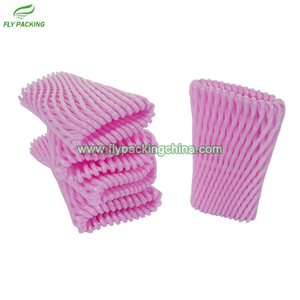
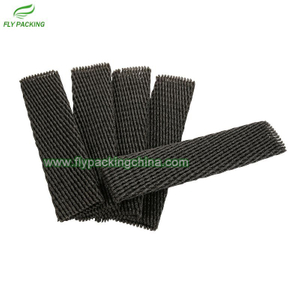
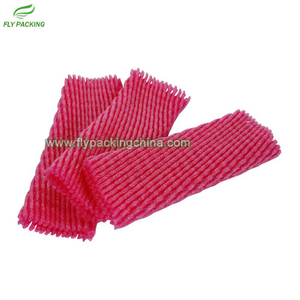
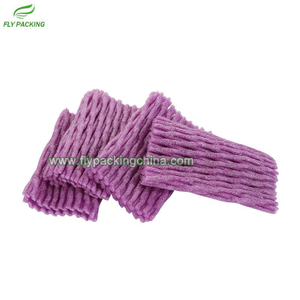
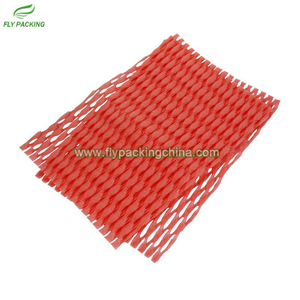
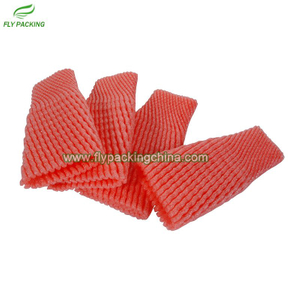
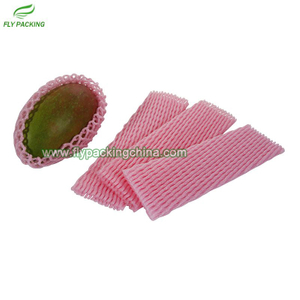
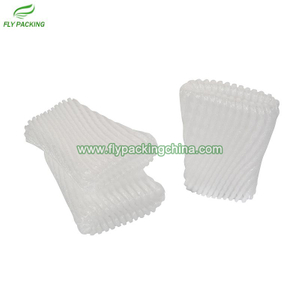
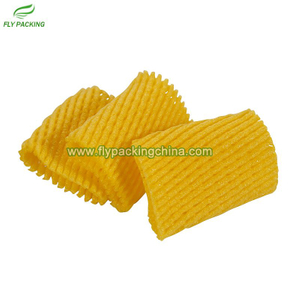
A protective net sleeve is a tube of expanded polyethylene foam, woven into an open, stretchy mesh. Slip it over a bottle and it grips the surface, molding to the shape of the glass. That snug fit does the heavy lifting—it stops the bottle from sliding, rolling, or knocking against hard surfaces.
The design matters. Because the material stretches, one size can fit a range of bottle diameters. A sleeve made for a 60mm to 90mm bottle, for example, wraps a wine bottle just as easily as a squat sauce jar. The mesh structure also breathes, which helps prevent moisture buildup during long shipping runs.
According to Fly Packing (flypackingchina.com), a manufacturer producing these products since 2002, the same foam technology used to protect fruit like mangoes and pears works equally well for glass and bottles. Both share the same enemy: pressure and vibration in transit.

Damage rarely comes from one dramatic drop. More often, it builds slowly—vibration on a truck bed, friction between stacked items, pressure from shifting loads. Foam netting sleeves are built to counter exactly these forces.
The foam layer acts as a buffer between the bottle and everything around it. When a package gets jostled, the cushion compresses and springs back, spreading the impact across a wider area instead of letting it concentrate on one weak point. That's why a protective mesh sleeve is a common choice for shipping wine, olive oil, spirits, cosmetics, and lab glassware.
Here's how the main styles compare:
Sleeve Type | Structure | Best For | Key Benefit |
|---|---|---|---|
Single layer | One mesh layer | Light bottles, standard shipping | Cost-effective, good grip |
Double layer | Two stacked mesh layers | Heavy or premium bottles | Extra cushioning and thickness |
Continuous roll | Uncut tube on a roll | Mixed or odd-sized products | Cut to any length on demand |
Uncut net | Bulk mesh, no pre-cut | Large-volume packers | Flexible, low waste |
Choose a single layer if cost and simplicity matter most for standard bottles. Pick a double layer when you're shipping heavy glass or high-value goods that can't afford a single scratch. A continuous roll works best when your product sizes vary and you'd rather cut sleeves to fit on the spot.
Broken bottles cost far more than the product itself. You lose the item, the packaging, the shipping fee, and often a customer's trust. Post-harvest and in-transit losses run into billions each year across industries that ship fragile items.
A protective net sleeve is cheap by comparison. A few cents of foam mesh per bottle can prevent a return, a refund, or a bad review. The math favors protection almost every time.
There are practical perks too. The sleeves are lightweight, so they add little to shipping weight. They compress flat for storage, taking up minimal warehouse space. And because the mesh stretches to fit multiple sizes, you don't need to stock a dozen different products to cover your range.
Matching the sleeve to the bottle is the key step. Get it right and the sleeve does its job quietly. Get it wrong and you either can't fit the bottle in or the fit is too loose to protect it.
Start with the bottle's widest diameter. The sleeve should stretch snugly over that point without straining. Next, consider the weight and value of what you're shipping. Heavier, pricier bottles justify a double-layer sleeve. Finally, think about volume—if you ship in bulk with varied sizes, a foam net roll gives you the freedom to cut exactly what you need.
Suppliers like Fly Packing offer free samples, which is the smartest way to test fit and thickness before committing to a large order. Request a few sizes, wrap your actual bottles, and pack a test box to see how it holds up.
Fragile bottles don't have to arrive broken. The right foam mesh wrap grips each bottle, absorbs the shocks of transit, and fills the gaps that let glass move and crack. For anyone shipping wine, spirits, oils, cosmetics, or lab glass, it's one of the simplest ways to cut losses and keep customers happy.
To recap: a protective net sleeve wraps bottles snugly and stops them from shifting; foam netting sleeves absorb the vibration and friction that cause most transit damage; and a protective mesh sleeve comes in single-layer, double-layer, and roll formats so you can match the exact bottle and budget you're working with. Start with a free sample, test the fit against your own products, and scale up once you find the right match.
What are foam net sleeves made of?
They're made from expanded polyethylene foam formed into a stretchy, open mesh tube. The material is soft, lightweight, and flexible, so it molds to the shape of a bottle while staying breathable.
Can one sleeve fit different bottle sizes?
Yes. The mesh stretches, so a single sleeve size typically covers a range of diameters—for example, roughly 60mm to 90mm. This lets you protect wine bottles, jars, and similar shapes with the same product.
Are foam net sleeves reusable?
In many cases, yes. If the foam mesh stays intact after unpacking, you can reuse it for storage or future shipments. Reusing sleeves also cuts down on packaging waste.
Which sleeve type is best for shipping wine?
For standard wine bottles, a single-layer sleeve usually provides enough protection. For premium or heavy bottles that can't risk any scratches, a double-layer sleeve adds extra cushioning.
Where can I get foam net sleeves?
Manufacturers such as Fly Packing (flypackingchina.com) produce foam net sleeves in single-layer, double-layer, roll, and uncut formats. Many suppliers offer free samples so you can test the fit before ordering in bulk.

| | 1/F, NO.81, CHANGZHEN ROAD, SHUIKOU TOWN, KAIPING CITY, GUANGDONG, CHINA |
| | +86-0-136 3183 6942 / +86-0-134 2677 9895 +86-750-2280358 |
| |