Views: 5 Author: Site Editor Publish Time: 2025-12-01 Origin: Site
In the world of packaging, protecting delicate items during transit is paramount. From fresh fruit and fragile glass to sensitive electronic components, ensuring products arrive in perfect condition is crucial for customer satisfaction and brand reputation. One of the most effective and versatile solutions for this challenge is the single layer foam net.
This simple yet ingenious material provides a protective cushion that safeguards items from bumps, scrapes, and shocks. It's a go-to choice for a wide range of industries due to its flexibility, low cost, and excellent protective properties. If you're looking for a reliable way to ship your products safely, understanding the benefits and applications of single layer foam netting is a great place to start. This guide will walk you through everything you need to know, from its core features to its diverse uses and why it might be the perfect fit for your packaging needs.
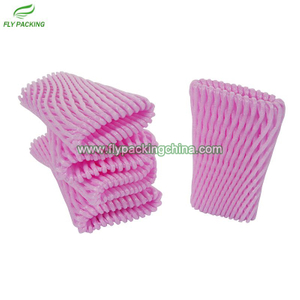
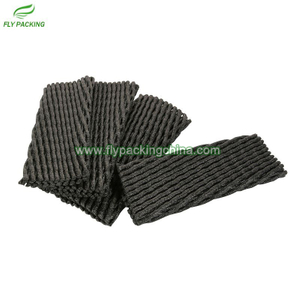
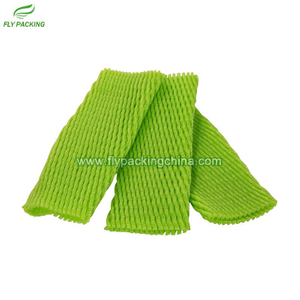
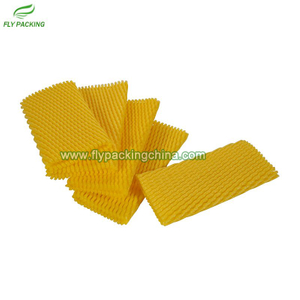
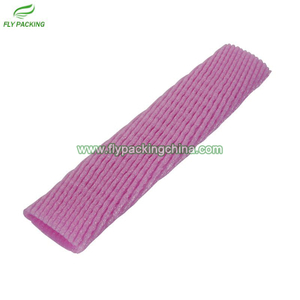
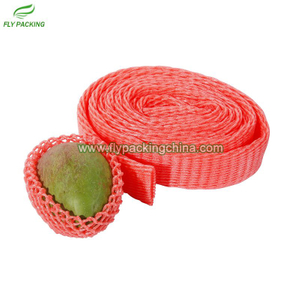
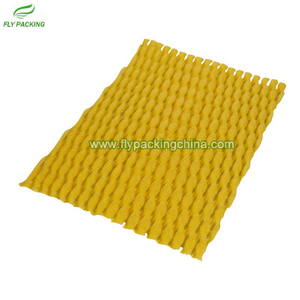
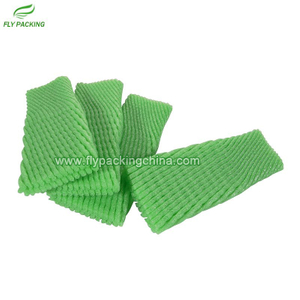
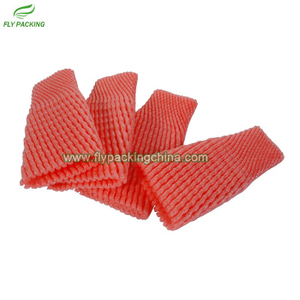
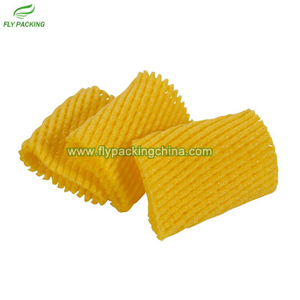
A single layer foam net, often called foam netting or fruit foam sock, is a type of protective packaging made from extruded polyethylene (EPE) foam. It is manufactured as a continuous, mesh-like tube with a diamond or hexagonal pattern. This structure gives it exceptional elasticity, allowing it to stretch and conform to the shape of the item it's protecting.
Unlike bubble wrap or foam sheets, which wrap around an object, foam netting fits snugly like a sleeve. The "single layer" aspect refers to its construction—it's a simple, unlaminated mesh that offers direct cushioning. This design is lightweight, breathable, and provides 360-degree protection without adding significant bulk or weight to the package. This makes it an ideal solution for items that need safeguarding from surface damage and minor impacts.
Why are so many businesses turning to single layer foam nets for their packaging needs? The advantages are clear and address many common shipping concerns.
The primary function of foam netting is to protect. The resilient EPE foam structure acts as a powerful shock absorber. When an item is dropped or jostled, the foam compresses and dissipates the force, preventing the impact from reaching the product itself. This significantly reduces the risk of dents, cracks, and breakage, especially for fragile items like glass bottles, ceramic goods, or even delicate fruits.
Many products have sensitive surfaces that can be easily scratched during shipping. Painted metal, polished wood, or the smooth skin of a pear can all be marred by rubbing against other items or the inside of a box. A single layer foam net creates a soft, non-abrasive barrier around the product, keeping it isolated and free from surface damage. The mesh design ensures that even if external pressure is applied, the contact points are cushioned.
Shipping costs are often calculated by weight and dimensional size. Foam netting is incredibly lightweight, adding almost no extra weight to your packages. This can lead to significant savings on shipping fees, particularly for businesses shipping in high volumes. Furthermore, it is an affordable packaging material compared to more complex custom inserts or molded pulp, offering a high degree of protection for a low per-unit cost.
For the food and agriculture industry, breathability is a non-negotiable feature. Solid plastic wraps can trap moisture and ethylene gas, accelerating spoilage for fresh produce. The open-mesh design of a single layer foam net allows air to circulate freely around the product. This helps to regulate temperature, reduce moisture buildup, and extend the shelf life of fruits and vegetables like mangoes, papayas, and avocados during transport.
One of the greatest strengths of foam netting is its versatility. Because it's highly elastic, a single size of netting can often be used for a variety of products with slightly different shapes and dimensions. It can be stretched to fit over round, oblong, or irregularly shaped items, providing a snug and secure fit every time. This reduces the need to stock multiple sizes of custom packaging, simplifying inventory management.
The unique properties of foam netting make it suitable for a diverse array of industries and products. Here are some of the most common applications.

This is perhaps the most well-known use. You've likely seen foam nets on premium fruits like Korean pears, apples, and mangoes in the grocery store. Growers and distributors use single layer foam net to protect each individual fruit during harvest, packing, and shipping. This prevents bruising and ensures the produce arrives at the market looking pristine and unblemished, commanding a higher price and reducing waste.
Protecting fragile items like wine bottles, jars, vases, and ceramic mugs is another popular application. The netting provides a form-fitting cushion that prevents items from clinking together in a box, which is a common cause of breakage. Wineries, craft breweries, and home goods retailers often rely on foam sleeves to ensure their delicate products survive the rigors of shipping.
In the manufacturing sector, precision-engineered parts often have delicate surfaces or coatings that must be protected. Foam netting is used to cover metal shafts, coated pipes, and sensitive electronic components to prevent scratches or damage during internal handling and final shipment. Its non-reactive polyethylene material ensures it won't corrode or chemically interact with the parts it protects.
An interesting and niche use for foam netting is in "fly packing." For fly fishing enthusiasts, the delicate and intricate flies (lures) are valuable and easily damaged. Some hobbyists and small-scale producers use small pieces of single layer foam net to package individual flies. The foam holds the delicate feathers and fibers in place without crushing them, ensuring the fly maintains its intended shape and form. It's a clever, low-cost way to protect these small, high-value items.
To better understand where foam netting fits into your packaging strategy, it's helpful to compare it to other common materials.
Packaging Material | Protection Type | Best For | Key Disadvantage |
Single Layer Foam Net | Shock absorption, scratch prevention | Individual fragile items, fresh produce | Not ideal for heavy, sharp items |
Bubble Wrap | Shock absorption, surface protection | Wrapping various-sized items, void fill | Can be bulky, traps moisture |
Foam Sheets | Scratch and moisture resistance | Separating flat items (e.g., glass panes) | Limited shock absorption |
Molded Pulp | Heavy-duty shock absorption, nesting | Uniformly shaped items (e.g., electronics) | Requires custom molds, not flexible |
Packing Peanuts | Void fill, light cushioning | Filling empty space in large boxes | Messy, can shift during transit |
As the table shows, a single layer foam net excels at providing individualized, form-fitting protection for items that need both shock and scratch resistance, as well as breathability.
Selecting the right foam netting for your product is straightforward. Consider the following factors:
1. Diameter and Elasticity: Netting comes in various diameters. Choose a size where the resting diameter is slightly smaller than your product, allowing it to stretch for a snug fit without being too tight.
2. Foam Density: A higher density foam offers greater protection against impact. For heavier or more fragile items, opt for a denser net. For lighter items or basic scratch protection, a lower density will suffice.
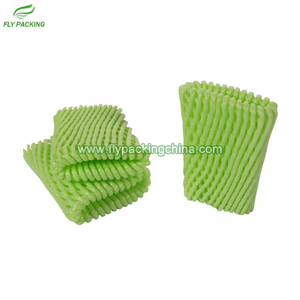
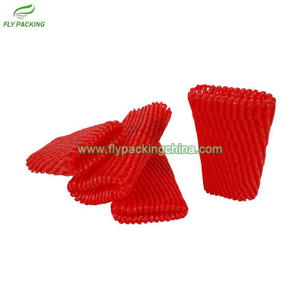
3. Color Coding: Many suppliers offer foam nets in different colors. This can be used for branding or for easy identification of different products or sizes in the warehouse.
A single layer foam net is more than just a piece of foam; it's an investment in product integrity and customer satisfaction. By providing reliable, lightweight, and cost-effective protection, it helps ensure your products arrive in the same condition they left your facility. From protecting a delicate piece of fruit to safeguarding a fragile glass bottle, this versatile material solves a wide range of packaging challenges.
If you're ready to reduce shipping damage, enhance your product presentation, and optimize your packaging costs, it's time to explore how single layer foam netting can work for you. Assess your product needs and consider integrating this simple but powerful solution into your shipping process.

| | 1/F, NO.81, CHANGZHEN ROAD, SHUIKOU TOWN, KAIPING CITY, GUANGDONG, CHINA |
| | +86-0-136 3183 6942 / +86-0-134 2677 9895 +86-750-2280358 |
| |