Views: 1 Author: Site Editor Publish Time: 2026-10-13 Origin: Site
Fresh produce travels a long road before it reaches a grocery shelf or a dinner table. Along the way, bruising, compression, and surface scratches can turn a perfectly ripe piece of fruit into something no shopper wants to pick up. For growers, packers, and exporters, the margin between a saleable crop and a wasted one often comes down to how well that fruit is cushioned during handling, stacking, and transit.
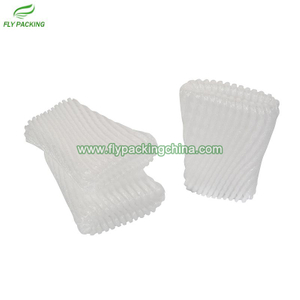
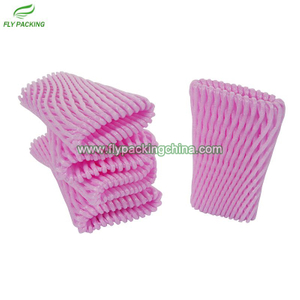
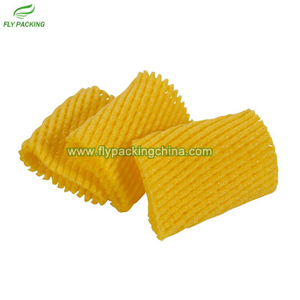
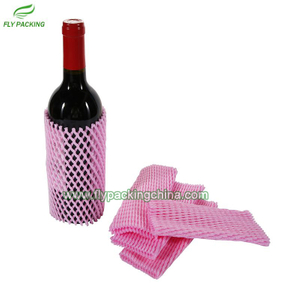
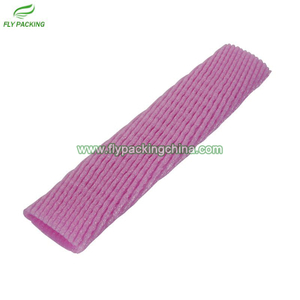
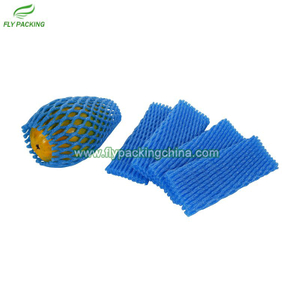
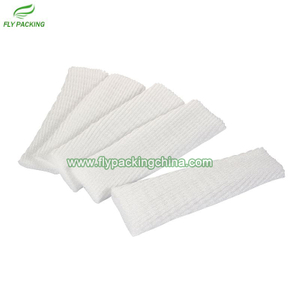
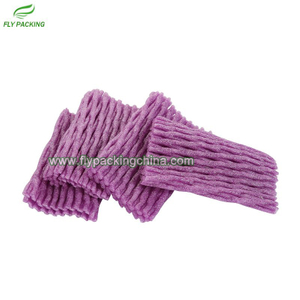
That's where lightweight protective wrapping comes into play. Packers across the agricultural supply chain rely on soft, flexible netting to absorb shocks, separate individual pieces of produce, and allow airflow that slows spoilage. A fruit foam net does exactly this job — it slips over apples, pears, mangoes, or citrus to create a cushioned barrier that reduces the chance of bruising without trapping excess moisture against the skin.
This article looks at how this type of netting works, what to consider when choosing between different grades, and where reliable suppliers typically source their materials. Whether a business is packing a small orchard harvest or running a large export operation, understanding the basics of protective produce wrapping helps keep more fruit in sellable condition from field to shelf.

Fruit bruises when it experiences sudden impact or sustained pressure, usually from colliding with other produce, box walls, or during loading and unloading. A layer of foam netting acts as a buffer between surfaces, spreading out pressure points so that no single spot on the fruit's skin absorbs the full force of an impact.
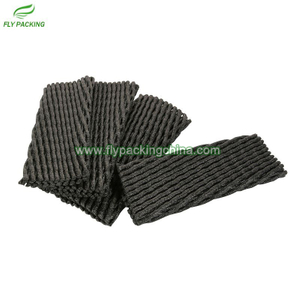
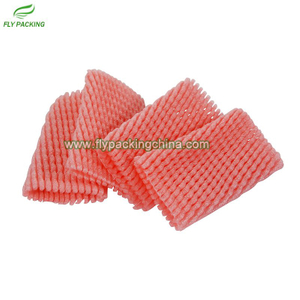
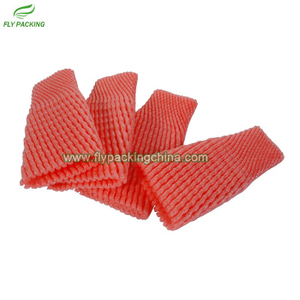
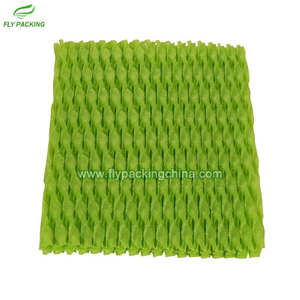
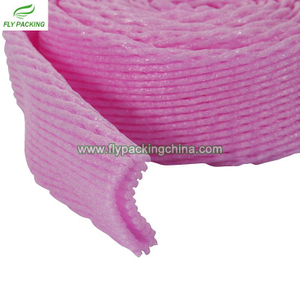
The netting is typically expanded from polyethylene material into a tubular, open-cell structure. This design gives it enough stretch to conform to irregular shapes — think of a knobby citrus fruit versus a smooth apple — while still maintaining enough resistance to cushion against drops and vibration during truck or container transport. Because the structure is porous, it also lets air circulate around the fruit's surface, which helps manage humidity and slow the buildup of condensation that can accelerate rot.
Not all protective netting is made equal, and the right choice depends on the type of produce, its weight, and how far it needs to travel. Thicker, denser netting generally suits heavier or more fragile fruit, such as avocados or stone fruit, while lighter netting works well for smaller, firmer produce like limes or plums.
The table below outlines general categories of netting commonly used in produce packing, along with their typical characteristics.
Netting Type | Density | Typical Fruit Use | Key Benefit |
|---|---|---|---|
Light-grade mesh | Low | Small citrus, berries in clusters | Minimal weight added, cost-efficient for high-volume packing |
Medium-grade mesh | Moderate | Apples, pears, firm stone fruit | Balanced cushioning with good airflow |
Heavy-grade mesh | High | Avocados, mangoes, delicate tropical fruit | Maximum shock absorption for fragile or high-value produce |
Extended-length sleeves | Variable | Elongated produce such as bananas or cucumbers | Full-surface coverage along the length of the item |
Selecting the right grade reduces waste further down the supply chain, since over-packing adds unnecessary material costs while under-packing increases the risk of damage claims from retailers.
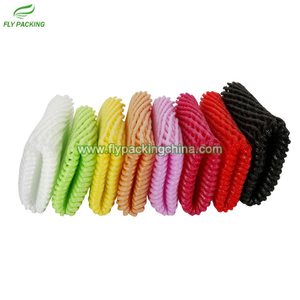
A large share of global produce netting comes from manufacturers based in China, where extrusion facilities produce polyethylene mesh at scale for both domestic agricultural exporters and overseas buyers. A China Foam Net supplier generally offers a range of mesh widths, colors, and density options, since export markets vary widely in their produce types and packaging regulations.
Buyers sourcing from manufacturers in this region typically request samples first to confirm the netting's stretch, thickness, and tensile strength match the specific fruit being packed. Reputable suppliers will also provide documentation on material composition, which matters for exporters shipping to markets with strict food-contact packaging standards.

The relationship between packaging and shelf life is direct. Produce that arrives with fewer bruises and less surface damage lasts longer on display and generates fewer returns or markdowns for retailers. A Foam Net sleeve, when matched correctly to the fruit's size and fragility, reduces the physical stress that produce experiences during the multiple touchpoints of a modern supply chain — from the packing house, to the distribution center, to the final retail shelf.
Packers who standardize their netting choice across a product line also tend to see more consistent outcomes, since variable packaging quality often shows up as inconsistent damage rates between shipments.
How much does protective produce netting typically cost?
Pricing varies based on material grade, order volume, and mesh width, with lighter grades generally costing less per unit than heavier, high-density options. Buyers typically request quotes based on their specific fruit type and order size.
How long does it take to receive a bulk order of packaging netting?
Lead times depend on the manufacturer's production schedule and shipping distance, but most suppliers provide estimated timelines once order specifications and destination are confirmed.
What are the alternatives to foam mesh netting for fruit?
Some packers use molded pulp trays, cardboard dividers, or individual paper wraps instead of mesh netting. These alternatives can work well for certain produce types but often provide less flexibility around irregular shapes compared to stretchable mesh.
Is this type of netting suitable for all fruit types?
Netting works best for produce that benefits from surface cushioning and airflow, such as citrus, pome fruit, and some stone fruit. Very soft or already-bruised produce may need additional protective layers beyond netting alone.
Are there risks associated with choosing the wrong netting grade?
Choosing netting that's too light for heavy or fragile produce increases the likelihood of bruising and damage claims. Choosing netting that's too heavy for lightweight produce adds unnecessary material and shipping weight without improving protection.
Matching the right protective netting to the right produce isn't a one-size-fits-all decision — it depends on the fruit's weight, fragility, and how far it needs to travel before reaching a shelf. Packers who take the time to test different grades and work with experienced suppliers tend to see fewer damage claims and more consistent produce quality across shipments. For businesses sourcing this kind of material, working with an established supplier such as the team at www.flypackingchina.com can simplify the process of finding netting that fits specific fruit types and export requirements. In short: a fruit foam net offers a straightforward, breathable way to cushion produce from the packing line to the retail shelf, and selecting the right density for the job is the detail that makes the biggest difference in keeping fruit fresh and sellable.

| | 1/F, NO.81, CHANGZHEN ROAD, SHUIKOU TOWN, KAIPING CITY, GUANGDONG, CHINA |
| | +86-0-136 3183 6942 / +86-0-134 2677 9895 +86-750-2280358 |
| |