Views: 13 Author: Site Editor Publish Time: 2026-03-06 Origin: Site
Sourcing the right protective packaging can make or break your supply chain. Too thin, and your produce arrives bruised. Too rigid, and you're wasting money on materials that don't flex with your product. China foam cushions have become the go-to solution for agricultural exporters, distributors, and logistics professionals worldwide—and for good reason.
This guide covers everything you need to know about China foam cushions: what they are, how they work, how they compare to other foam packaging options, and what to look for when choosing a foam net manufacturer. By the end, you'll have a clear picture of which product fits your needs.
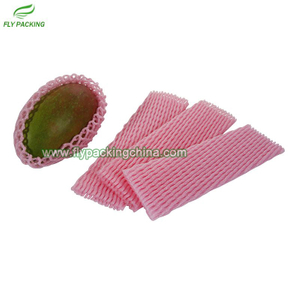
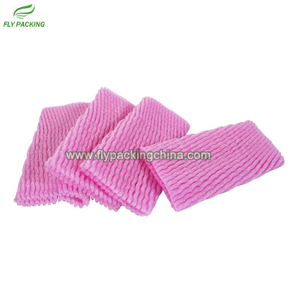
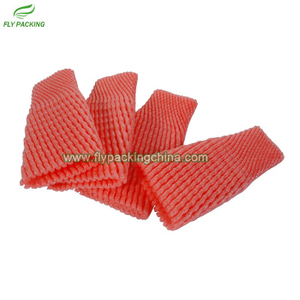
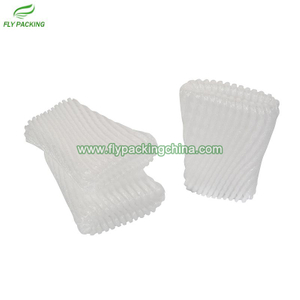
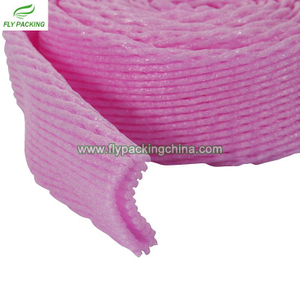
A foam cushion is a protective packaging insert made from expanded polyethylene (EPE) foam. It is designed to wrap, cradle, or line products during storage and transit, absorbing shock and preventing surface damage.
In agricultural applications, foam cushions are placed at the bottom and top of fruit cartons or between product layers. This keeps delicate items—think mangoes, apples, pears, and wine bottles—from knocking against each other or against the hard walls of a shipping crate.
Chinese manufacturers like Fly Packing Co., Limited have been producing foam cushions since 2002, exporting to markets across Asia, Europe, and beyond. The combination of advanced manufacturing, cost efficiency, and reliable lead times makes China a dominant supplier in this space.
Not all foam packaging works the same way. Here is a breakdown of the most common options and where each one fits best.
Product | Structure | Best For | Key Benefit |
|---|---|---|---|
Foam Cushion | Flat or contoured EPE sheet | Lining carton floors and tops | Even pressure distribution |
Single Layer Foam Net | Single EPE mesh sleeve | Light fruits (grapes, kiwi) | Lightweight scratch protection |
Double Layer Foam Net | Two bonded EPE mesh layers | Heavy or fragile fruit (mangoes, pears) | Extra cushioning and durability |
Foam Sheet | Flat EPE slab | Interleaving between product layers | Versatile, customizable thickness |
Backer Rod | Cylindrical EPE foam | Sealing construction joints and gaps | Compression and sealant backing |
Each product serves a distinct purpose. Foam cushions focus on base and top protection, while foam nets wrap individual items. Knowing the difference helps you build a packaging system that protects your goods at every point in the supply chain.
China has built one of the most robust foam packaging manufacturing ecosystems in the world. Several factors explain why buyers continue to source from Chinese suppliers.
Cost Efficiency: Raw material access, manufacturing scale, and competitive labor costs allow Chinese factories to offer lower unit prices than most Western alternatives—without sacrificing material quality.
Customization: Leading foam net manufacturers offer cushions in a wide range of sizes, thicknesses, densities, and colors. Custom dimensions can often be produced with relatively short lead times.
Export Experience: Established exporters offer to-door shipping services, handle customs documentation, and pack containers efficiently to minimize freight costs. Fly Packing, for instance, uses specialized packing methods to fit more units per container.
Certification and Quality Standards: Reputable manufacturers hold relevant certifications and can provide product samples before bulk orders are placed, reducing sourcing risk.

Selecting the correct foam cushion comes down to a few key variables. Use the table below as a quick-reference checklist.
Factor | What to Consider |
|---|---|
Product weight | Heavier items need denser, thicker foam |
Fragility | More fragile produce requires higher shock absorption |
Carton dimensions | Cushion size must match the base area of the box |
Transit distance | Longer journeys demand more resilient materials |
Temperature range | Cold-chain shipping may affect foam flexibility |
Volume | Higher order volumes unlock better pricing |
If you are shipping high-value or fragile produce over long distances, prioritize density and thickness over cost savings. A slightly more expensive cushion that protects your product is always cheaper than a shipment of damaged goods.
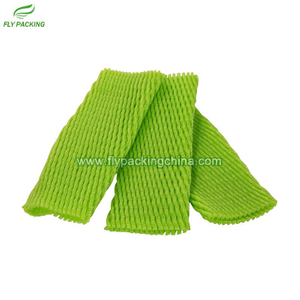
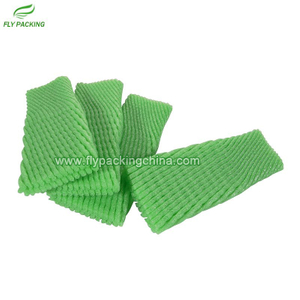
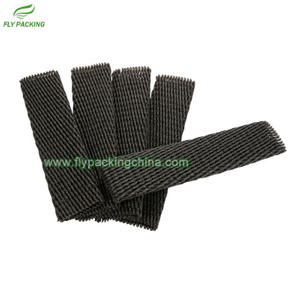
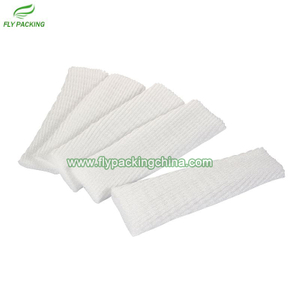
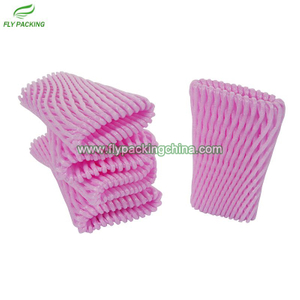
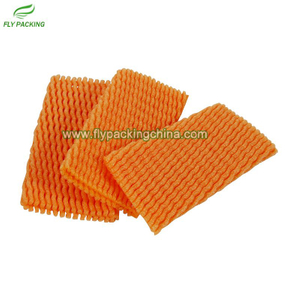
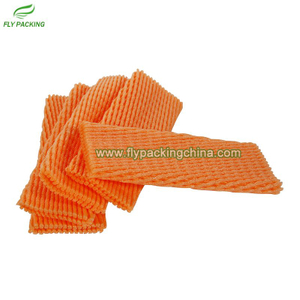
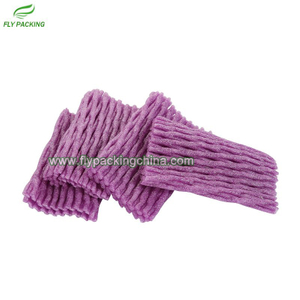
Foam cushions often work alongside foam nets as part of a complete packaging system. A single layer foam net wraps individual pieces of fruit to prevent scratches, scuffs, and bruising caused by contact between items.
When evaluating a single layer foam net manufacturer, consider the following:
Mesh size and hole diameter: Smaller mesh provides more surface coverage; larger mesh allows better ventilation, which matters for moisture-sensitive produce.
Sleeve diameter: This must match the average size of the fruit being packed. Most manufacturers offer a range of standard diameters.
Material consistency: Uniform cell structure across the net ensures even compression and protection.
Color options: While white and natural are standard, some buyers require colored nets for branding or product differentiation.
MOQ and lead time: Minimum order quantities and production timelines should align with your ordering cycles.
Fly Packing's single layer polyethylene foam fruit nets are produced in multiple sizes and are available for sample requests before bulk purchasing.
The most effective produce packaging systems combine multiple foam products. Here is an example configuration for exporting premium mangoes.
Packaging Layer | Product Used | Purpose |
|---|---|---|
Individual fruit wrap | Single layer foam net | Prevent skin abrasion |
Carton base | Foam cushion | Absorb impact during transit |
Between fruit layers | Foam sheet | Separate rows and reduce pressure |
Carton top | Foam cushion | Buffer from stacking weight |
This layered approach significantly reduces damage rates and helps maintain product appearance at the point of sale—a factor that directly affects buyer pricing and repeat orders.
First-time buyers sometimes underestimate the value of a manufacturer with strong export experience. Beyond product quality, the right foam net manufacturer should offer:
Responsive communication: Inquiries answered within 12 hours in your language of preference
Sample availability: Physical samples sent before committing to a full order
Flexible order sizes: Options for both small trial orders and large bulk shipments
Logistics support: Container loading expertise and to-door delivery options
Transparent lead times: Consistent production schedules with clear delivery windows
These operational factors matter as much as price, particularly when your packaging timelines are tied to harvest schedules.
The packaging decisions you make upstream determine what your customer receives downstream. A well-chosen China foam cushion, paired with the right foam net system, keeps produce looking and tasting the way it was intended—whether it travels 500 kilometers or 5,000.
Fly Packing Co., Limited has been supplying foam cushions, single layer foam nets, double layer foam nets, and foam sheets to agricultural exporters since 2002. With free samples, flexible customization, and reliable export logistics, they are worth contacting for your next packaging project.
Reach out to the Fly Packing team at flypackingchina.com to request samples or discuss your specific packaging requirements.

| | 1/F, NO.81, CHANGZHEN ROAD, SHUIKOU TOWN, KAIPING CITY, GUANGDONG, CHINA |
| | +86-0-136 3183 6942 / +86-0-134 2677 9895 +86-750-2280358 |
| |