Views: 4 Author: Site Editor Publish Time: 2026-01-21 Origin: Site
Every agricultural distributor knows the sinking feeling of opening a shipment only to find damaged goods. You spend months cultivating the perfect crop, optimizing soil conditions, and timing the harvest down to the hour. Yet, all that hard work can be undone in a few bumpy miles of transit. When delicate produce like mangoes, peaches, or papayas collide with hard crates or each other, bruising is almost inevitable without the right protection.
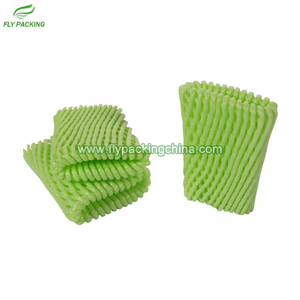
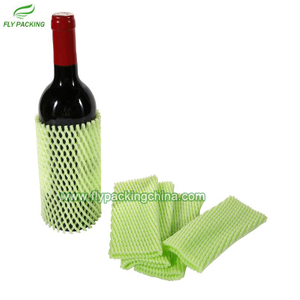
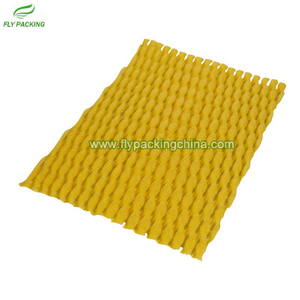
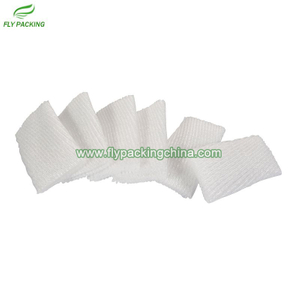
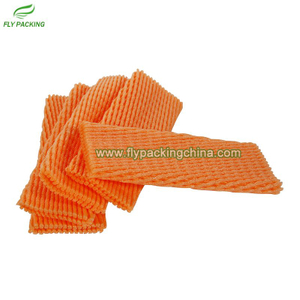
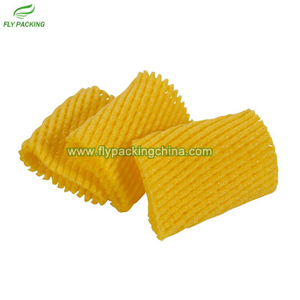
This is where the humble Fruit Foam Cushion changes the game. It serves as the last line of defense between premium produce and the unforgiving reality of logistics. While it might look like a simple sheet of plastic, this specialized packaging material is engineered to absorb shocks, allow airflow, and drastically reduce food waste.
In this guide, we will explore why foam cushioning is mandatory for modern fruit export, how it works to preserve freshness, and how to source the best materials from leading manufacturers. If you want to stop losing money to spoilage and start delivering pristine fruit to your customers, understanding this packaging solution is your first step.
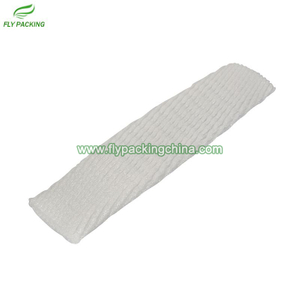
A Foam Cushion is a protective packaging layer, typically made from Expanded Polyethylene (EPE). Unlike rigid plastic or cardboard, EPE foam consists of thousands of tiny air bubbles trapped within a polymer matrix. This structure gives the material its defining characteristic: resilience.
When you place a heavy fruit on a hard surface, gravity pulls it down, creating a pressure point at the bottom. Over time, or with the vibration of a truck, this pressure damages the cell walls of the fruit, leading to soft spots and rot.
A foam cushion acts as a mattress for your produce. It compresses under the weight of the fruit, increasing the surface area of contact. By spreading the weight over a larger area, it eliminates pressure points. Furthermore, when the shipping container hits a pothole or is handled roughly, the foam absorbs the kinetic energy rather than transferring it directly to the delicate skin of the fruit.

Using the correct packaging is not just about avoiding bruises; it is about maintaining the total quality of the harvest. Here is how a high-quality foam layer protects your bottom line.
Transportation is traumatic for fruit. Constant vibration acts like sandpaper on the skin of pears, apples, and stone fruits. A Fruit Foam Cushion isolates individual layers of fruit from the vibrations of the road. It prevents the "rubbing" effect that causes unsightly surface scuffs, ensuring the fruit looks as good on the shelf as it did on the tree.
One of the biggest enemies of fresh produce is trapped moisture. If fruit is packed tightly in plastic bags or solid liners, ethylene gas and moisture build up, accelerating ripening and promoting fungal growth.
High-quality foam cushions are designed with perforation and a breathable structure. This allows air to circulate around the bottom of the fruit. Proper ventilation regulates the temperature within the crate and prevents the buildup of condensation, significantly extending the shelf life of the product.
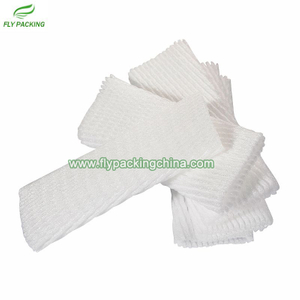
Perception is reality in the fruit market. Buyers associate high-quality packaging with high-quality produce. A clean, white, or colored foam cushion provides a visual contrast that makes the fruit's natural colors pop. It signals to the consumer that the grower cares about the product, justifying a premium price point.
Not all produce requires the same level of protection. While a watermelon might survive a rough journey, a ripe peach will not. The following table outlines which commodities benefit most from a Foam Cushion layer.
Fruit Type | Vulnerability Level | Why It Needs Cushioning | Recommended Usage |
Mangoes | High | Susceptible to pressure spots and sap burn. | Individual net + bottom cushion layer. |
Papayas | Very High | Thin skin bruises easily; heavy weight causes bottom flattening. | Thick, high-density foam cushion. |
Apples | Medium | Vibration causes "scuffing" on the skin. | Layer pads between stacked rows. |
Peaches | Extreme | Any pressure causes immediate cell wall rupture. | Individual pockets or soft foam sheets. |
Melons | Medium-High | Heavy weight requires support to prevent cracking. | Bottom cushioning to distribute weight. |
When scaling up operations, cost and reliability become the primary concerns for purchasing managers. This is why the search term "China Foam Cushion" is so prevalent in the industry. China remains the global hub for manufacturing EPE foam products due to its mature supply chain, advanced extrusion technology, and competitive pricing structures.
However, not all manufacturers are created equal. You need a partner who understands the specific agricultural needs of different regions.
One standout example in this sector is Fly Packing Co., Limited. Established in 2002, they have over two decades of experience specifically focused on packing materials for fresh fruits and vegetables.
Based in Kaiping City, Guangdong, their factory operates four high-quality foam extrusion production lines with an annual output of over 450 tons. They don't just produce generic sheets; they specialize in:
· Fruit foam nets
· Foam cushions
· Foam sheets and pipes
· Backer rods
For businesses looking for reliable partners, Fly Packing Co., Limited offers a distinct advantage. They provide "to-door" service, helping international clients navigate the complexities of export logistics. Their ability to customize foam density and size ensures that whether you are shipping small kiwis or large pomelos, you get the exact protection you need.
Selecting the "right" cushion isn't a guessing game. It requires looking at three specific factors:
The heavier the fruit, the thicker the cushion needs to be. For light items like apples, a thin sheet (1-2mm) is often sufficient to prevent rubbing. For heavy items like melons or bulk-packed mangoes, you may need a cushion that is 5mm or thicker to prevent the fruit from bottoming out against the crate.
Density refers to how hard or soft the foam feels. Low-density foam is pillow-soft and great for extremely delicate items like strawberries or figs. High-density foam is firmer and better suited for heavy stacking, as it won't collapse under the weight of multiple layers of fruit.
Always ensure the cushion fits the crate exactly. If it is too small, fruits at the edge will rub against the crate walls. If it is too big, it will bunch up, creating uneven pressure points. Additionally, verify that the foam has adequate perforation holes if you are shipping produce that releases high amounts of moisture.
Q: Is EPE foam recyclable?
A: Yes, Expanded Polyethylene (EPE) is a thermoplastic material that can be melted down and recycled into new products. Many distributors collect used foam pads to be repurposed, making it a more environmentally conscious choice compared to single-use styrofoam.
Q: Can I get custom sizes for my specific crates?
A: Absolutely. Manufacturers like Fly Packing Co., Limited can customize the length, width, and thickness of the foam cushions. Customization is vital for maximizing space in shipping containers and ensuring a snug fit for your specific tray sizes.
Q: Does the color of the foam matter?
A: Functionally, no. However, aesthetically, it makes a big difference. White is the industry standard as it looks clean and hygienic. However, some exporters use black or purple foam to create a premium look for luxury fruits, or to hide any potential juice stains that might occur during transit.
Q: Will foam cushions increase my shipping costs?
A: EPE foam is extremely lightweight—it is mostly air. It adds negligible weight to your shipment, meaning it won't impact your freight costs. The cost of the material itself is also very low compared to the potential loss of revenue from a rejected shipment of bruised fruit.
Farming is a risky business, but your packaging shouldn't be. By implementing a proper Fruit Foam Cushion strategy, you are buying an insurance policy for your produce. It ensures that the quality you harvested is the same quality the customer receives.
Whether you are a local grower or an international exporter, upgrading your packaging standards is one of the highest ROI decisions you can make. If you are ready to explore professional packaging solutions, consider reaching out to industry veterans like Fly Packing Co., Limited to discuss your specific needs.

| | 1/F, NO.81, CHANGZHEN ROAD, SHUIKOU TOWN, KAIPING CITY, GUANGDONG, CHINA |
| | +86-0-136 3183 6942 / +86-0-134 2677 9895 +86-750-2280358 |
| |