Views: 6 Author: Site Editor Publish Time: 2026-01-04 Origin: Site
Every year, the global agricultural industry faces significant losses due to produce damaged during transit. For fruit distributors, wholesalers, and exporters, the difference between a profitable shipment and a financial loss often comes down to a single factor: packaging. While single-layer nets offer basic protection, delicate fruits like mangoes, pears, and papayas require robust cushioning to survive long journeys. This is where the double layer foam net becomes a game-changer.
If you are looking to source packaging materials that reduce spoilage and enhance presentation, understanding the specific benefits of China Double layers foam net technology is crucial. In this guide, we answer the most pressing questions about this packaging solution, exploring why it is superior for protecting high-value produce and how it can save your business money in the long run.
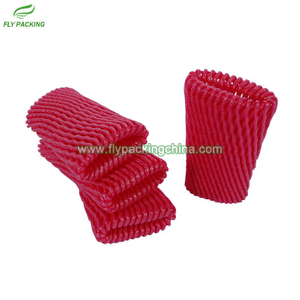
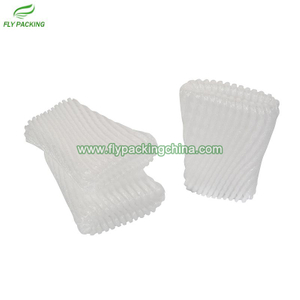
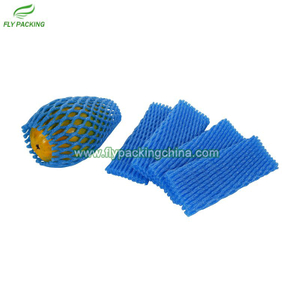
A Double layers foam net is a specialized packaging material extruded from Expanded Polyethylene (EPE). Unlike standard single-layer nets, which provide a thin barrier, double-layer nets feature a dual-structure design. This means the netting is thicker, denser, and offers significantly higher shock absorption capabilities.
The manufacturing process involves creating a mesh structure that is soft to the touch yet resilient against pressure. This dual layering creates a buffer zone around the fruit, effectively isolating it from external impact, friction, and vibration during transportation. It is specifically designed for fruits that are heavy or have thin skins susceptible to bruising.
The primary difference lies in the level of protection. While single-layer nets are suitable for smaller, harder fruits (like apples or citrus), they may not provide enough cushioning for softer or heavier items.
Double layers foam net offers superior advantages in three key areas:
1. Enhanced Shock Absorption: The extra thickness absorbs impacts from bumps in the road or rough handling during loading and unloading.
2. Better Breathability: Despite being thicker, the mesh design ensures air circulation, preventing moisture buildup that leads to rot or mold.
3. Visual Appeal: The substantial look of a double-layer net adds a premium feel to the product, suggesting to the consumer that the fruit inside is of high quality and worth protecting.
For businesses shipping internationally, the added protection of a double-layer design is often the difference between fruit arriving largely intact versus suffering significant spoilage rates.
While foam fruit netting is versatile, double-layer variants are particularly recommended for high-value or fragile produce. The most common applications include:
· Mangoes: These heavy, soft-skinned fruits bruise easily. A double-layer net prevents contact damage.
· Papayas: Similar to mangoes, papayas require substantial cushioning to maintain their shape and texture.
· Pears: Asian pears and other varieties are prone to scuffing; the soft EPE foam prevents surface damage.
· Melons: Heavier fruits need the structural integrity of a double layer to prevent the net from tearing under weight.
· Glass Bottles: Beyond agriculture, these nets are frequently used to protect wine and liquor bottles from shattering.
By using the correct protection, suppliers ensure that the fruit looks as fresh on the supermarket shelf as it did when it was picked.
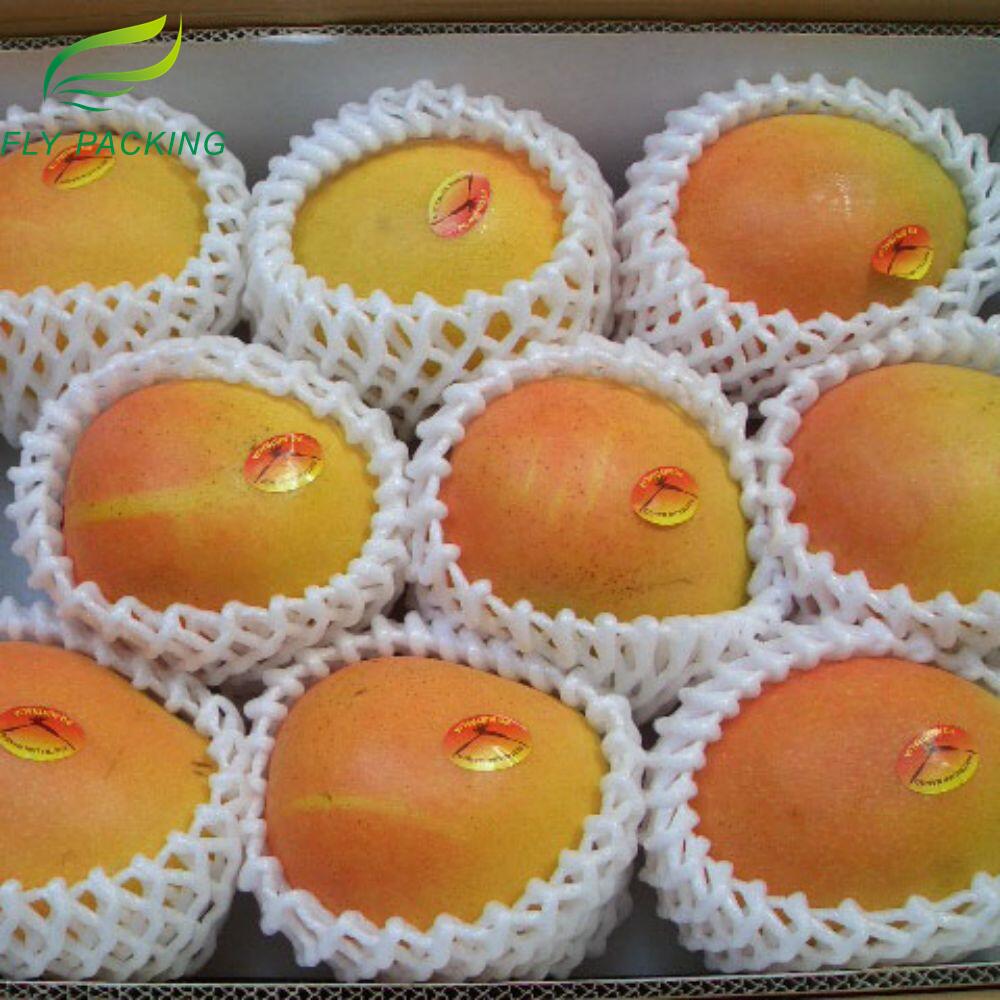
China is a global hub for packaging manufacturing, offering a unique combination of scale, technology, and cost-effectiveness. Sourcing China Double layers foam net products allows businesses to access high-quality materials at competitive prices.
Manufacturers in regions like Guangdong have refined the extrusion process to produce EPE foam that is both eco-friendly and durable. Furthermore, Chinese suppliers often provide extensive customization options, allowing you to choose specific colors, lengths, and elasticity levels to match your specific branding or product requirements.
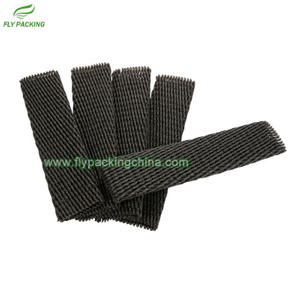
Yes, customization is a significant advantage of working with professional manufacturers. Standard white nets are common, but they are not the only option. You can request:
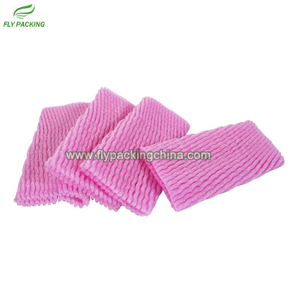
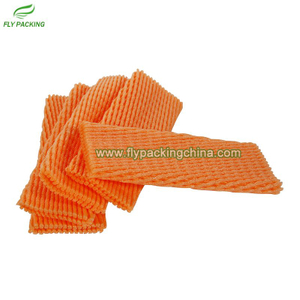
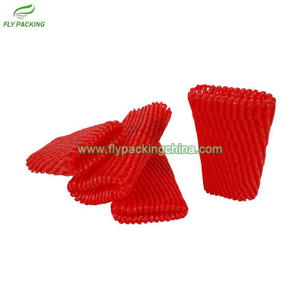
· Custom Colors: Match the net color to the fruit (e.g., yellow for mangoes, pink for peaches) or your brand identity.
· Specific Sizes: Nets can be cut to specific lengths or sold in continuous rolls for automated packaging lines.
· Varying Densities: Depending on the weight of your product, the density of the foam can be adjusted for optimal support.
At Fly Packing Co., Limited, we specialize in designing and developing foam products of different weights, specifications, and styles according to customer needs. Whether you need precut sizes for manual packing or uncut rolls for machinery, the flexibility exists to tailor the solution to your operations.
Not all foam is created equal. High-quality EPE foam should be:
1. Odorless and Non-Toxic: It must be safe for food contact.
2. Highly Elastic: The net should stretch to accommodate the fruit and retract to hold it snugly without crushing it.
3. Resilient: After being compressed, the foam should return to its original shape.
When sourcing, look for manufacturers with established quality control processes. For example, reputable factories will have dedicated production lines ensuring consistent thickness and strength across large orders.
In the modern packaging landscape, environmental impact is a valid concern. EPE (Expanded Polyethylene) is a physically expanded foam, meaning it does not use chemical cross-linking agents that make recycling difficult. It is recyclable and can be reused multiple times by the end consumer.
Furthermore, by significantly reducing food waste—which is a major contributor to greenhouse gas emissions—double layers foam net packaging plays an indirect but vital role in sustainable supply chains. Protecting the product means the resources used to grow and transport the fruit are not wasted on damaged goods.
Finding a partner who understands the nuances of agricultural packaging is essential. You need a supplier who can offer consistent delivery times, competitive pricing, and the ability to scale with your harvest seasons.
Fly Packing Co., Limited is a professional manufacturer and exporter based in Kaiping City, Guangdong. With over 20 years of experience (since 2002) and an annual output of over 450 tons, we specialize in packing materials for fresh fruits and vegetables.
Our factory operates four high-quality foam extrusion production lines, producing more than 100 varieties of fruit foam packing nets. From double layers foam net to backer rods and grape bags, we provide comprehensive solutions for the national and international agricultural market.
If your current packaging is resulting in bruised fruit and lost revenue, it is time to upgrade to a solution that offers real protection. Switching to double-layer technology is a cost-effective investment in your product's quality and your brand's reputation.
To learn more about our specific products or to request a quote for your next harvest, visit us at Fly Packing Co., Limited. We offer door-to-door service and free samples to help you make the right choice for your business.

| | 1/F, NO.81, CHANGZHEN ROAD, SHUIKOU TOWN, KAIPING CITY, GUANGDONG, CHINA |
| | +86-0-136 3183 6942 / +86-0-134 2677 9895 +86-750-2280358 |
| |