Views: 14 Author: Site Editor Publish Time: 2025-04-15 Origin: Site
When it comes to protecting delicate fruits and fresh produce, nothing beats the innovation and simplicity of the plastic fruit foam net. These foam sleeves, widely recognized for their lightweight structure and cushioning properties, have transformed the way fruits are packaged and delivered across the globe.
Whether you're a grower, exporter, or retailer, you'll need to ensure that your fruits arrive at their destination unblemished and intact. This is where plastic fruit foam nets step in, offering a protective layer that safeguards fruits from damage during transit. This blog dives into everything you need to know about plastic fruit foam nets, including their benefits, applications, and how they’re a game-changing solution for the agriculture industry.
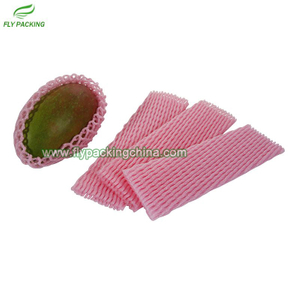
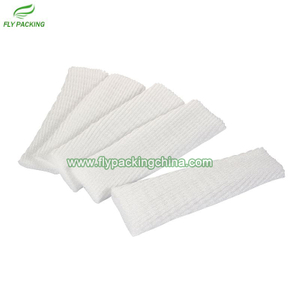
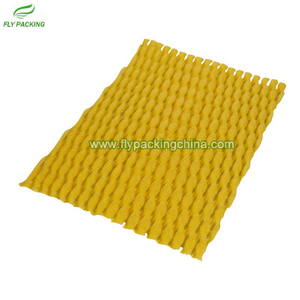
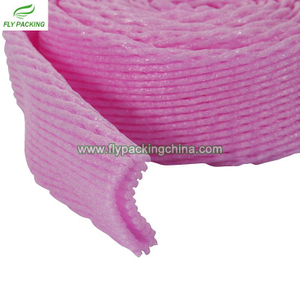
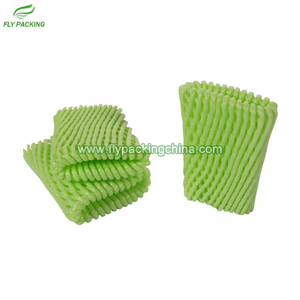
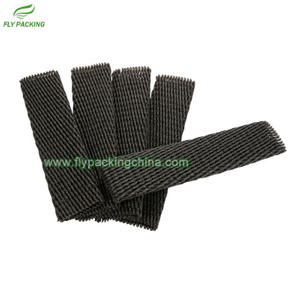
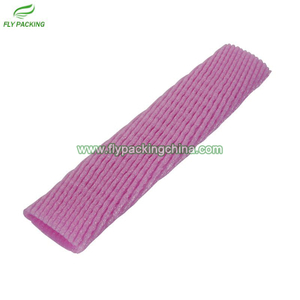
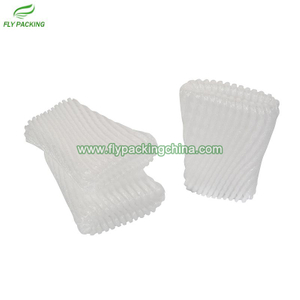
A plastic fruit foam net is a stretchy, mesh-like protective sleeve typically made of expanded polyethylene (EPE). These nets are designed to offer a soft, cushioning barrier around the surface of fruits, preventing bruises and other physical damage during handling and shipment.
· Durability: They're resistant to tearing and capable of maintaining structural integrity during long-distance transport.
· Flexibility: Foam nets easily adapt to various fruit shapes and sizes, providing snug and secure protection for each piece.
· Lightweight: Unlike traditional packing methods, foam nets add minimal weight to shipments but offer maximum protection.
· Eco-Friendly Options: Many manufacturers now produce recyclable or biodegradable foam nets, reducing environmental impact.
These features make plastic fruit foam nets a must-have for industries where quality control is paramount—particularly in the export market, where even a minor blemish can lead to significant financial loss.
From farm to supermarket shelf, fruits are often subjected to rough handling, stacking, and movement. Without adequate protection, bruising, punctures, and rot can occur, resulting in wasted produce and lost revenue. A fruit protection packing sleeve foam net addresses these challenges by acting as a buffer against physical damage while providing a professional and visually appealing presentation.
Here’s why they’re indispensable for fruit packing:
Foam nets’ cushioning properties absorb shocks and vibrations, preventing fruits from being damaged if accidentally dropped or subjected to pressure.
Unlike cling wrap, foam nets are designed with small openings that allow air to circulate. This maintains the freshness of the fruit and reduces the likelihood of moisture buildup, which can lead to mold or spoilage.
Foam netting can be easily used for fruits of all shapes and sizes. Commonly packed items include:
· Apples
· Pears
· Grapes
· Mangoes
· Oranges
· Avocados
Whether it’s a smooth-skinned fruit like an apple or something more irregular like a mango, the foam sleeve fits securely to provide optimal protection.
Modern advancements have made foam nets a more sustainable option. Recyclable and biodegradable variants allow businesses to align their packaging processes with eco-friendly practices without breaking the bank.
Apart from protection, these nets enhance visual appeal by organizing fruit neatly and adding a touch of sophistication to displays. Whether sold in stores or presented as gift fruit baskets, the foam packaging contributes to an upscale presentation.

Foam nets aren’t just about practicality; they’re a strategic packaging tool that enhances the value chain. From improving logistics efficiency to reinforcing a brand’s reputation for quality, foam netting has broad-scale utility.
1. Farms and Orchards
Plastic fruit foam nets are used at the source to protect harvested fruits. This eliminates issues of damage before the produce even leaves the growing location.
1. Export and Shipment
Exporting fresh fruit involves long transit times and exposure to fluctuating environmental conditions. Foam nets reduce the risk of damage, ensuring your fruits arrive in perfect condition.
1. Retail Displays
Retailers can use foam nets to showcase fruits attractively while maintaining their freshness. A protected fruit is more likely to appeal to customers, boosting sales and reducing waste.
1. Direct-to-Consumer Deliveries
With the rise in fresh produce subscription boxes, foam netting makes it easier for companies to deliver fruits to consumers’ doorsteps in excellent condition.
Foam packaging offers businesses a competitive edge by minimizing spoilage, optimizing presentation, and lowering long-term costs through reduced waste. Fly Packing is a global leader in manufacturing and exporting premium plastic fruit foam nets. Known for their precision engineering, Fly Packing’s products cater to agricultural packing needs across a wide spectrum of fruits and vegetables.
Fly Packing specializes not only in delivering quality but also in customizing foam net solutions to meet specific customer requirements. Whether you're packing fragile fruits like peaches or high-value products like Japanese melons, Fly Packing offers tailored solutions that keep your goods safe and appealing.
Choosing the right foam nets for your operation involves considering three key factors:
Different fruits require different densities and thicknesses of foam nets. Using oversized or undersized nets could compromise protection, defeating the purpose. Collaborate with a reliable supplier, like Fly Packing, to determine the best options for your products.
Larger-scale operations will benefit from bulk purchases of foam nets to reduce costs. Suppliers like Fly Packing often offer discounts for large orders while maintaining quality.
If your brand values sustainability, opt for foam nets made from recyclable materials. Highlighting eco-friendly packaging can also enhance your brand image and appeal to environmentally conscious customers.
Plastic fruit foam nets offer an unmatched solution for the packaging and protection of fresh fruits and vegetables. By combining innovation, practicality, and sustainability, they represent a winning formula for businesses operating in agriculture and export markets.
Fly Packing leverages years of expertise to deliver high-quality packing materials tailored to the challenges of fruit protection and transportation. Their plastic fruit foam nets are not only durable but designed to ensure your produce meets the highest standards of quality and presentation.
Are you ready to elevate your fruit packaging game? Explore Fly Packing’s extensive range of foam nets and discover how they can revolutionize your packaging process. Reach out to Fly Packing today to find the perfect packing solution for your needs.

| | 1/F, NO.81, CHANGZHEN ROAD, SHUIKOU TOWN, KAIPING CITY, GUANGDONG, CHINA |
| | +86-0-136 3183 6942 / +86-0-134 2677 9895 +86-750-2280358 |
| |