Views: 11 Author: Site Editor Publish Time: 2025-04-12 Origin: Site
Transporting fresh produce like fruits and vegetables can be a tricky challenge. From farm to fork, every bump along the way risks bruising or damaging the delicate skin of fruits and vegetables. This is where single layer foam nets play a significant role in protecting fresh produce. Offering a lightweight, flexible, and cost-effective solution, foam nets have become an industry staple for agricultural packaging.
Whether you're a grower, distributor, or retailer, understanding the benefits and types of foam nets can help you make more informed decisions about packaging solutions. Below, we’ll explore single layer foam nets, how they protect fresh produce, and the options available, such as protective soft foam sleeves and plastic fruit foam nets.
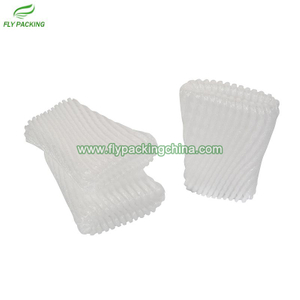
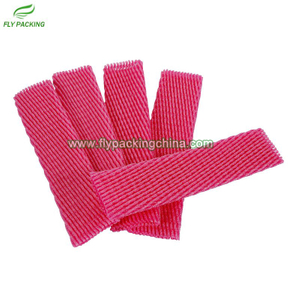
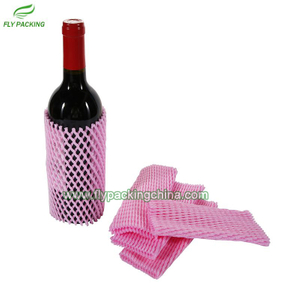
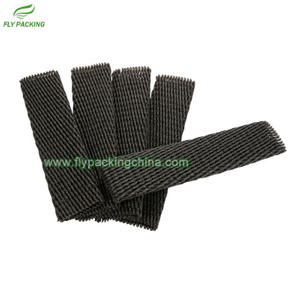
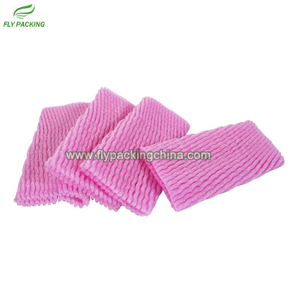
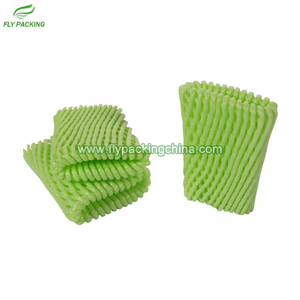
A single layer foam net is a lightweight protective wrap made of expanded polyethylene (EPE) foam. These nets are specifically designed with a mesh-like texture that provides cushioning to delicate items like fruits, vegetables, and even fragile glassware.
Widely used in the agricultural sector, single layer foam nets are both elastic and durable. Here are their key characteristics:
· Flexibility: They mold easily around diverse shapes.
· Shock Absorption: Cushioning properties reduce impacts during transport.
· Aeration: The porous design allows air circulation, keeping produce fresh.
Fly Packing specializes in producing high-quality single layer foam nets tailored for protecting fresh produce, ensuring fruits and vegetables arrive undamaged and visually appealing.
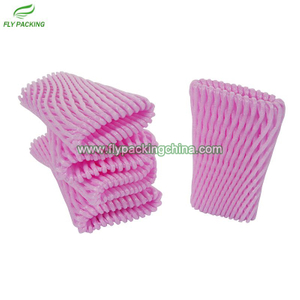
One common variation of single layer foam nets is the protective soft foam sleeve. These sleeves are widely used to wrap fruits with delicate or thin skins, such as apples, mangoes, and tomatoes.
1. Enhanced Cushioning: The foam layer minimizes the risk of bruising or scratches during handling and transportation.
2. Custom Fit: Foam sleeves can stretch to snugly fit various sizes of fruits or vegetables, reducing movement within the packaging.
3. Reusable: These foam sleeves are durable enough to be reused, making them an eco-friendlier choice when compared to single-use plastic wraps.
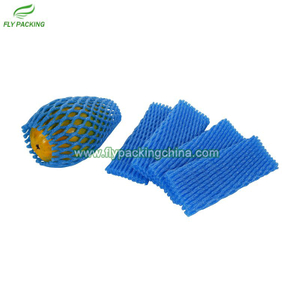
For example, a mango wrapped in a soft foam sleeve can endure long shipping durations with minimal risk of damage. Fly Packing ensures that all foam sleeves are made with premium materials, providing growers with reliable protection for even the most fragile produce.

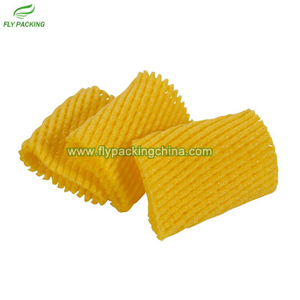
Another practical option is the plastic fruit foam net, a lightweight and economical solution for safeguarding fruits and vegetables. Unlike traditional wrapping materials that are cumbersome or costly, foam nets offer a blend of protection and affordability.
Applications of Plastic Fruit Foam Nets:
· Fresh Produce: Wrapping fruits like oranges, pears, and peaches to prevent scratches.
· Industrial Packaging: Foam nets are also used to shield glassware, ceramics, and other fragile items.
· Retail Displays: Because of their neat presentation, foam nets are ideal for fruits put on display at grocery stores or farmers' markets.
· Visual Appeal: The uniform texture of these nets enhances the appearance of retail displays, making produce look more premium.
· Improved Longevity: The foam's elasticity provides long-lasting protection.
· Cost Efficiency: Offering high protection at a reasonable price, these nets are a smart choice for growers and distributors looking to optimize packaging expenses.
Plastic foam nets ensure that no detail is overlooked when it comes to the aesthetic and functional protection of your produce.
If versatility is a key concern, then foam fruit wrap nets are the answer. These nets adapt to all shapes and sizes, offering universal protection for a wide variety of fruits and vegetables.
· Adaptability: From round apples to oval-shaped avocados, foam fruit wrap nets fit surfaces of all shapes.
· Aeration Benefits: The foam’s porous structure prevents moisture buildup, keeping produce fresher for longer.
· Ease of Use: Simple to apply and remove, reducing handling time for both growers and retailers.
Fly Packing excels in manufacturing foam fruit wrap net custom-fitted for your needs. With decades of experience as an exporter in agricultural packaging materials, our foam solutions are designed for efficiency and effectiveness.
Fly Packing has established itself as a trusted name in the manufacturing and export of agricultural packing materials. With a focus on innovative solutions and top-notch quality, we cater to the unique needs of farmers, distributors, and retailers.
Here’s What Sets Fly Packing Apart:
· Expertise: Decades of experience in producing durable and versatile single layer foam nets.
· Customization: Custom foam net sizes and designs to fit your specific produce requirements.
· Global Reach: Trusted exporter serving clients worldwide, ensuring rapid delivery and excellent customer service.
Our foam packaging solutions go beyond protecting produce; they enhance shelf life, reduce waste, and boost consumer confidence in your product's quality.
The role of packaging has never been more critical in ensuring product safety and reducing wastage in agriculture. Whether you need protective foam sleeves, plastic fruit foam nets, or adaptable wrap nets, Fly Packing has the perfect solution for your fresh produce packaging needs.
Start protecting your fruits and vegetables with the reliability of Fly Packing’s single layer foam nets today. Contact us to learn more about how our products can add value to your agricultural business.

| | 1/F, NO.81, CHANGZHEN ROAD, SHUIKOU TOWN, KAIPING CITY, GUANGDONG, CHINA |
| | +86-0-136 3183 6942 / +86-0-134 2677 9895 +86-750-2280358 |
| |