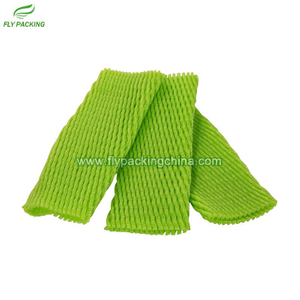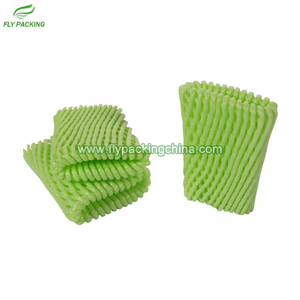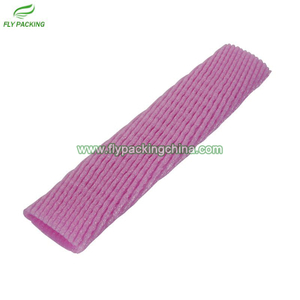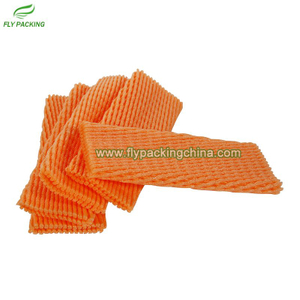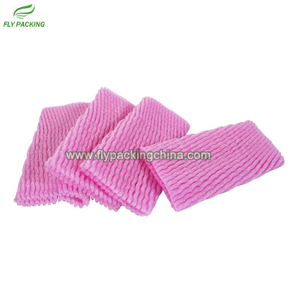

Foam nets protect fresh produce from bruising, scratching, and impact damage during transit. Single-layer options suit lighter fruits, while double-layer designs add extra cushioning for heavier or more delicate produce. Sourcing from a specialized manufacturer ensures consistent quality, reliable s

Long-distance freight puts constant pressure on delicate cargo. Vibration, stacking loads, and shifting weight cause most damage—not dramatic accidents, but slow, grinding contact over hundreds of miles. For growers, packers, and exporters, that damage eats directly into profit margins.Foam mesh sle

Bottles break for one simple reason: they move when they shouldn't. A wine bottle knocking against a crate wall, a glass jar rubbing its neighbor, a perfume flacon vibrating loose during a long haul—these small motions add up to cracks, scratches, and shattered goods by the time a package arrives.Fo

Post-harvest losses cost farmers billions every year. A bruised mango, a cracked pear, a scratched apple—this kind of damage rarely happens in the field. It happens in transit, during loading, stacking, and the long journey between farm and market. Packaging is where that battle is won or lost.Acros

Fresh produce and fragile goods face constant threats during transit. Vibration, pressure, friction, and shifting loads cause surface damage long before a product reaches its destination. For growers, packers, and exporters, the difference between a profitable shipment and a damaged one often comes

Fresh fruit is fragile. A single crate of mangoes or a pallet of apples can suffer significant surface damage during transit—not from dramatic accidents, but from the slow, grinding pressure of vibration, shifting weight, and poor gap control. Choosing the right cushioning material, sized correctly

Every damaged shipment tells the same story: something moved when it shouldn't have. A glass bottle shifted inside a crate. An apple pressed too hard against another. A ceramic piece absorbed one too many road vibrations. The result is the same—spoiled product, wasted effort, and a customer on the o

Damaged goods are expensive. A single shipment of bruised mangoes or cracked bottles can erase the margin on an entire container. For exporters managing long-haul freight across multiple climates and handling conditions, packaging isn't a secondary concern—it's a core operational decision.Foam net p
Views: 24 Author: Site Editor Publish Time: 2024-07-03 Origin: Site
In an era where the demand for fresh, unblemished fruit is soaring, ensuring your produce reaches customers in perfect condition is more important than ever. Enter the foam net—a game-changer in fruit packaging that not only protects but also enhances the appeal of your product. This blog post will guide you through the world of foam nets, explaining their benefits, various uses in fruit packaging, and why they might be the perfect solution for your needs. By the end of this post, you'll have a comprehensive understanding of how foam nets can revolutionize your fruit packaging strategy.
Foam nets, typically made from polyethylene foam, are lightweight, flexible, and incredibly resilient. They are designed to snugly envelop fruits, providing a cushioned layer that absorbs shocks and prevents bruising during transportation and handling. These nets come in various sizes and thicknesses, making them suitable for a wide range of fruits, from delicate strawberries to robust apples Fruit Foam Net Cover.
1. Protection
The primary benefit of using foam nets is the superior protection they offer. Unlike traditional packaging materials that may only protect from external impacts, foam nets provide 360-degree protection, cushioning the fruit from all sides. This drastically reduces the likelihood of damage during transit.
1. Breathability
Foam nets are designed with tiny holes, allowing air to circulate around the fruit. This breathability helps to maintain the fruit's freshness by preventing moisture buildup, which can lead to mold and spoilage.
1. Aesthetic Appeal
Beyond protection, foam nets can enhance the visual appeal of your fruit. Their snug fit and neat appearance can make your produce look more attractive, which can be a significant factor in consumer purchasing decisions.
Foam nets are versatile and can be used for a variety of fruits. Here are some examples:
1. Apples and Pears
These fruits benefit greatly from foam nets as they are prone to bruising. The foam net cushions them effectively, ensuring they reach the consumer in pristine condition.
1. Mangoes and Papayas
Tropical fruits like mangoes and papayas, which have delicate skins and are susceptible to impact damage, are ideal candidates for foam net packaging.
1. Strawberries and Grapes
Smaller fruits can also benefit from foam nets. For strawberries and grapes, which can be easily crushed, foam nets provide a layer of protection without adding significant weight.
1. Selecting the Right Size
Choose foam nets that are appropriate for the size of the fruit you're packing. The net should fit snugly without compressing the fruit too tightly, as this could cause damage.
1. Proper Application
Gently slide the foam net over the fruit, ensuring it covers the entire surface. Take care to avoid any rough handling that could bruise the fruit.
1. Transport Considerations
When packing the fruit into larger containers for transport, ensure that the foam nets on individual fruits do not shift or become dislodged. This can be achieved by choosing appropriately sized outer containers and packing materials.
1. Recyclability
One of the concerns with any packaging material is its environmental impact. Fortunately, many foam nets are recyclable, making them a more sustainable option compared to other forms of plastic packaging.
1. Biodegradable Options
With growing environmental awareness, biodegradable foam nets are now available. These nets offer the same level of protection while being more environmentally friendly.
1. Reducing Waste
By preventing fruit from getting damaged and spoiled, foam nets can help reduce food waste, which is a significant environmental benefit.
1. Initial Investment vs. Long-Term Savings
While foam nets may represent a higher initial investment compared to simpler packaging materials, the long-term savings can be substantial. Reduced spoilage and damage mean fewer losses and higher customer satisfaction.
1. Bulk Purchasing
Buying foam nets in bulk can significantly reduce costs. Many suppliers offer discounts for large orders, making it a cost-effective solution for large-scale fruit packaging operations.
1. Enhanced Market Value
Fruits packaged in foam nets often fetch higher prices in the market due to their superior appearance and reduced damage rates. This can lead to increased profits over time.
1. Storage
Store foam nets in a cool, dry place to maintain their integrity. Exposure to extreme temperatures or moisture can degrade the material.
1. Handling
Train staff on the proper handling techniques to ensure that foam nets are applied correctly and efficiently. Mishandling can negate the protective benefits of the nets.
1. Customer Feedback
Regularly solicit feedback from customers regarding the condition of the fruit upon arrival. This can help identify any issues in the packaging process that need to be addressed.
1. Cost
While foam nets may seem more expensive upfront, the reduction in fruit damage and waste often justifies the cost.
1. Environmental Impact
Choose recyclable or biodegradable foam nets to mitigate environmental concerns.
1. Application Time
Automated solutions for applying foam nets are available, which can speed up the process and reduce labor costs.
1. Sustainable Materials
The trend towards sustainable packaging materials is set to continue. Innovations in biodegradable and compostable foam nets are on the horizon.
1. Technological Advancements
Advancements in material science may lead to even more effective and efficient foam nets. Smart packaging solutions that monitor the condition of the fruit are also being developed.
1. Consumer Preferences
As consumers become more environmentally conscious, the demand for sustainable and effective packaging solutions like foam nets is likely to grow.
Foam nets offer a multitude of benefits for fruit packaging, from superior protection to enhanced aesthetic appeal. They are a cost-effective solution that can improve customer satisfaction and reduce waste. By understanding the various applications and best practices for using foam nets, you can make an informed decision that will benefit both your business and your customers. Don't hesitate to explore foam net packaging for your fruit business—it's an investment that pays off in more ways than one.

| | 1/F, NO.81, CHANGZHEN ROAD, SHUIKOU TOWN, KAIPING CITY, GUANGDONG, CHINA |
| | +86-0-136 3183 6942 / +86-0-134 2677 9895 +86-750-2280358 |
| |