Views: 6 Author: Site Editor Publish Time: 2025-06-16 Origin: Site
Foam nets may not be the flashiest topic, but they play a crucial role in safely transporting and packaging delicate items. Whether you're shipping fruits, glassware, or other fragile commodities, single layer foam nets offer unparalleled protection while being lightweight and easy to use.
This post dives into the importance of single layer foam nets, their construction, and why they are an essential tool for fly packing. By the end, you'll understand how these foam sleeves deliver reliable protection and how they can become a game-changer for your packing needs.
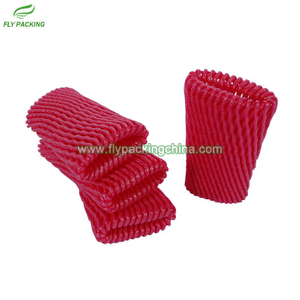
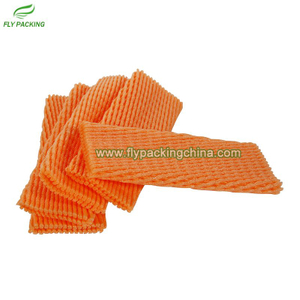
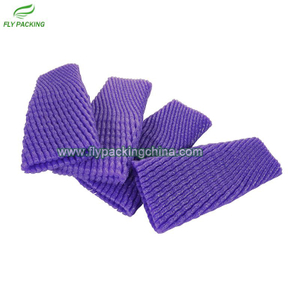
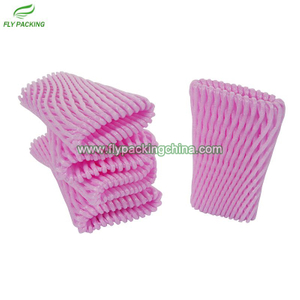
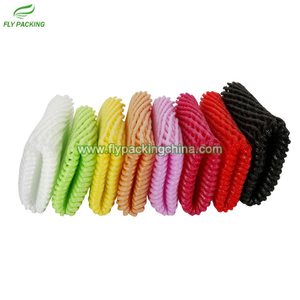
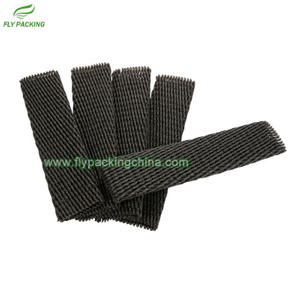
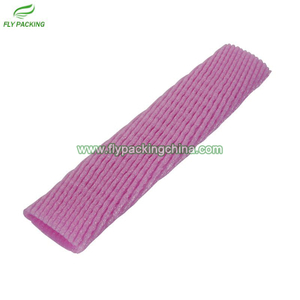
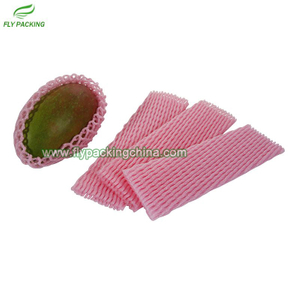
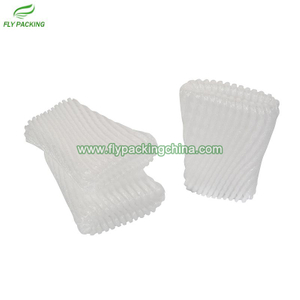
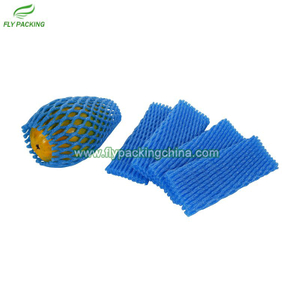
A single layer foam net is a protective sleeve made from polyethylene foam that is specifically designed to cushion and secure delicate items. Unlike bulkier multi-layer packaging materials, these foam nets focus on minimalism without compromising on safety.
Key Features of Single Layer Foam Nets:
· Lightweight yet durable construction
· Flexible and stretchable design to accommodate varying shapes and sizes
· Shock-absorbing properties to prevent damage during handling
· Permeable structure that allows for breathability, especially useful in packing perishable items like fruits
These foam sleeves are commonly used in industries like food packaging, glassware shipping, and product manufacturing to ensure items are protected through transit.
One of the most impressive characteristics of single layer foam nets is how they provide soft, gentle protection. Here's why this matters for different applications:
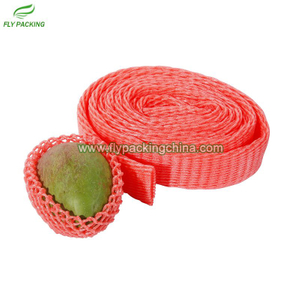
For fly packing fruits, single layer foam nets work as an excellent buffer. Often used for apples, pears, peaches, or even melons, the soft foam sleeves prevent bruising that can occur during transport. Their breathable structure ensures air circulation, which helps maintain product freshness.
Glassware, ceramics, and other delicate items often require careful handling during transit. Single layer foam nets act as a soft barrier, absorbing shocks and securing the items. Unlike bubble wrap or rigid plastic cases, these foam sleeves are not abrasive and will not leave scratches on delicate surfaces.
Compared to bulky or multi-layer packaging solutions, a single layer foam net takes up far less space and uses fewer materials. This reduces waste while still offering premium protection for your products, making it an eco-friendlier alternative.

The construction of single layer foam nets relies on polyethylene foam, which is lightweight, flexible, and shock absorbent. Here’s how the features of polyethylene foam contribute significantly to its effectiveness:
Because polyethylene foam single layer is incredibly lightweight, it doesn’t add significant weight to the overall package. This is especially beneficial for fly packing, where weight limitations often impact shipping costs.
Polyethylene foam nets are stretchable and elastic, allowing them to conform to a variety of shapes and sizes. Whether you're packing spherical fruits or irregularly-shaped ornamental glass pieces, these nets adapt seamlessly for an excellent fit.
An underrated yet vital feature of polyethylene foam is its resistance to moisture. This ensures that perishable items remain intact during transit, whether the conditions are humid or dry.
Single layer foam nets constructed from polyethylene are not only long-lasting but can also be reused multiple times. Their durability ensures consistent performance, and their reusability reduces waste, adding another layer of cost efficiency.
Fly packing demands efficient, lightweight, and reliable packaging solutions. Here are some reasons why single layer foam nets have become a go-to choice for both small businesses and large-scale industries:
1. Lightweight Packaging: Adding minimal weight helps keep shipping costs under control.
2. Versatile Applications: From fruit handling to transporting fragile glass items, foam nets cater to a wide range of packaging needs.
3. Cost Efficiency: With reusable and lightweight materials, single layer foam nets ensure savings over time.
4. High Performance: Despite their simplicity, they provide exceptional shock absorption and protection for delicate items.
Single layer foam nets are the unsung heroes of modern packaging. Their versatility, affordability, and protective features make them an indispensable tool for fly packing, whether you're handling delicate fruits or fragile items requiring care during transit.
Looking to streamline your packaging needs? Invest in single layer foam nets and elevate your shipping process. Your products deserve the protection that ensures they arrive in perfect condition.

| | 1/F, NO.81, CHANGZHEN ROAD, SHUIKOU TOWN, KAIPING CITY, GUANGDONG, CHINA |
| | +86-0-136 3183 6942 / +86-0-134 2677 9895 +86-750-2280358 |
| |