Views: 6 Author: Site Editor Publish Time: 2025-11-17 Origin: Site
When it comes to shipping delicate items, ensuring they arrive in one piece is the top priority. From fragile glassware to sensitive electronics, the right protective packaging can make all the difference. While many materials like bubble wrap and packing peanuts come to mind, one of the most effective yet often overlooked solutions is the foam net.
Foam nets provide a unique, flexible, and reliable layer of protection that is particularly well-suited for "fly packing"—the process of packing individual items for safe transit. This guide will explore everything you need to know about using foam netting to safeguard your valuable goods. We will cover what foam nets are, their benefits, and how to use them effectively to ensure your products reach their destination unscathed.
Whether you're a small business owner shipping products to customers or an individual sending a fragile gift, understanding how to use foam nets can elevate your packing strategy. You'll learn why this simple material is a go-to choice for industries ranging from agriculture to electronics.
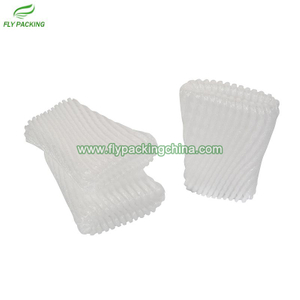
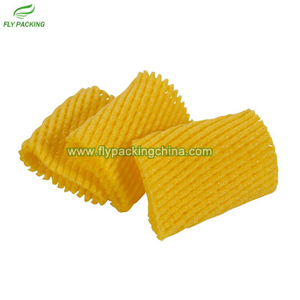
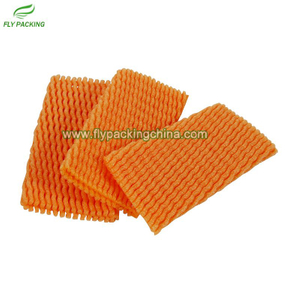
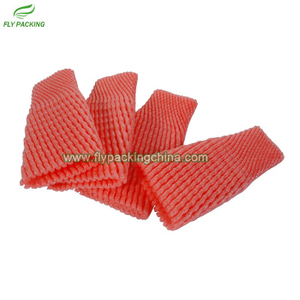
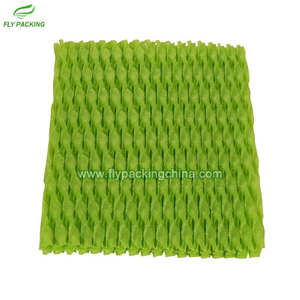
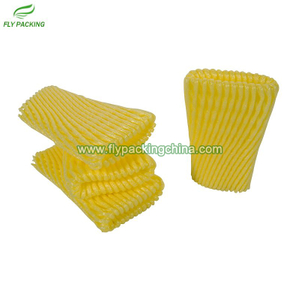
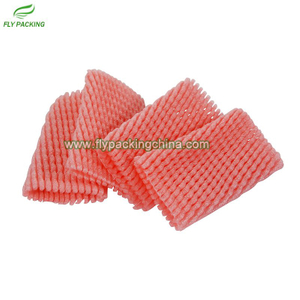
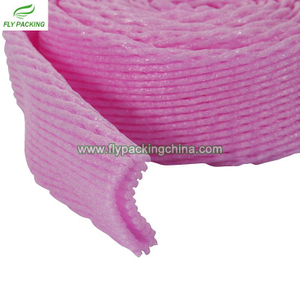
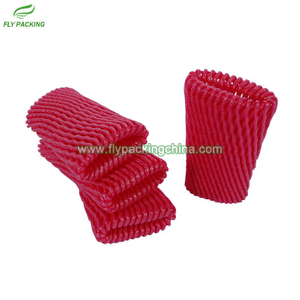
A foam net, also known as foam mesh sleeving or protective foam netting, is a type of packaging material made from low-density polyethylene (LDPE). It features an open-mesh, diamond-shaped pattern that creates a soft, cushioned, and highly flexible sleeve. This design allows the net to stretch and conform to the shape of various objects, providing 360-degree protection against scratches, scuffs, and minor impacts.
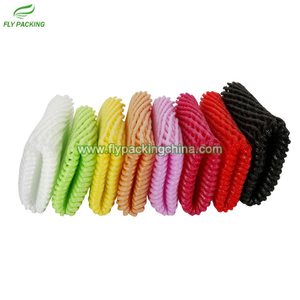
Unlike flat sheets of foam or bubble wrap, foam netting encases an item snugly, offering consistent cushioning on all sides. It is lightweight, non-abrasive, and resistant to moisture and chemicals, making it an ideal choice for protecting a wide range of products. Foam nets are available in various sizes, densities, and colors to suit different applications, from protecting individual pieces of fruit to cushioning machined parts.
The primary function of a foam net is to act as a buffer during handling and transit. Its elastic nature ensures it stays in place without the need for tape or adhesives, simplifying the packing process while providing reliable protection.
Foam nets offer several distinct advantages over other types of protective packaging, especially for fly packing individual items. Here’s why they are becoming an increasingly popular choice for businesses and individuals.
The soft, non-abrasive texture of a foam net is its biggest asset. It protects delicate surfaces from scratches, chipping, and other cosmetic damage that can occur when items rub against each other or the sides of a shipping box. This is crucial for products where appearance matters, such as polished metal parts, painted components, glass bottles, and high-end fruits.
While a single layer of foam net won't protect an item from a significant drop, its structure provides excellent cushioning against minor bumps, vibrations, and shocks. The diamond mesh design helps absorb and distribute impact energy, reducing the risk of damage during handling and transportation. For enhanced protection, foam netting can be used in combination with other packaging materials.
One of the most significant benefits of foam netting is its ability to stretch and conform to irregularly shaped items. Whether you are packing a wine bottle, a metal shaft, or a piece of ceramic art, the net will hug its contours tightly. This adaptability means you can use the same type of netting for multiple products, simplifying your inventory and reducing the need for custom-fit packaging solutions.
Foam nets are a budget-friendly packaging solution. They are lightweight, which helps keep shipping costs down. Furthermore, their durable construction allows them to be reused multiple times by both the sender and the recipient, making them an economical and more sustainable choice compared to single-use alternatives. This reusability adds value for businesses looking to implement greener packing practices.
Using a foam net is incredibly straightforward. You simply stretch the sleeve and slide it over the item. It stays securely in place without requiring tape, glue, or heat sealing. This not only speeds up the packing process but also makes unpacking easier and cleaner for the end user, improving the overall customer experience.

To better understand the unique advantages of foam netting, it's helpful to compare it with other common materials used for fly packing.
Material | Primary Use | Protection Level | Reusability | Best For |
Foam Net | Surface protection, minor impact | Low to Medium | High | Irregular shapes, delicate surfaces, bottles |
Bubble Wrap | Impact absorption, cushioning | Medium to High | Medium | Fragile items, filling empty space |
Packing Peanuts | Void fill, bracing | High | High | Filling large gaps in boxes, bracing items |
Kraft Paper | Wrapping, void fill, cushioning | Low | Medium | Wrapping non-fragile items, surface protection |
Foam Sheets | Surface protection, layering | Low to Medium | High | Separating flat items, lining boxes |
As the table shows, foam net excels in providing flexible, form-fitting surface protection. While bubble wrap offers superior impact resistance for fragile items, it can be bulky and less effective for irregularly shaped products. Packing peanuts are excellent for filling voids but do not protect items from scratching each other. A foam net provides a perfect middle-ground solution, especially when protecting individual items within a larger shipment.
Using foam netting effectively is simple, but following a few best practices will ensure your items are packed securely.
Foam nets come in a range of diameters. Choose a size that will stretch comfortably over your item without being too loose or too tight. A snug fit is ideal, as it prevents the item from shifting inside the netting while remaining easy to apply and remove. Manufacturers often provide a recommended diameter range for each net size.
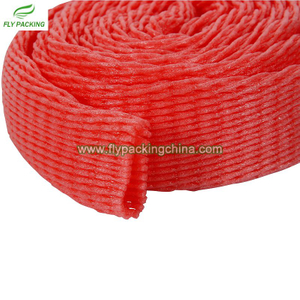
Most foam netting is supplied in continuous rolls, allowing you to cut it to the exact length needed for each item. Measure your product and cut a piece of netting that is slightly longer than the item itself. This ensures full coverage, including the top and bottom edges. For bottles, for instance, you'll want the net to cover the base and extend slightly beyond the cap.
Gently stretch the opening of the foam net and slide it over the item. Start from one end and guide it along the length of the product until it is fully encased. The elastic nature of the material will cause it to contract and conform to the item’s shape, holding it securely in place.
Once the item is covered in its foam sleeve, it is ready to be placed in a shipping box. For optimal protection, especially for fragile goods, you may want to add additional packing material like bubble wrap or packing paper around the netted item to prevent it from moving inside the box. Ensure the box is appropriately sized—not too big and not too small.
After arranging your netted items securely within the box and filling any empty spaces, seal the box with strong packing tape. Label it clearly with the shipping address and any necessary handling instructions, such as "Fragile."
The foam net is an incredibly versatile, cost-effective, and efficient material for protecting individual items during transit. Its unique ability to provide form-fitting, 360-degree surface protection makes it an indispensable tool for fly packing everything from fresh produce to industrial components.
By understanding its benefits and how to use it correctly, you can significantly reduce the risk of product damage, lower your shipping costs, and improve your overall packing operation. Integrating foam netting into your packaging strategy is a simple change that delivers tangible results, ensuring your items arrive safely and your customers remain satisfied.

| | 1/F, NO.81, CHANGZHEN ROAD, SHUIKOU TOWN, KAIPING CITY, GUANGDONG, CHINA |
| | +86-0-136 3183 6942 / +86-0-134 2677 9895 +86-750-2280358 |
| |