Views: 7 Author: Site Editor Publish Time: 2024-09-09 Origin: Site
Ever wondered how your favorite fruits make it to your table in perfect condition? It's not just luck or careful handling; it's a bit of packaging wizardry. This seemingly simple yet highly effective fruit packaging foam sleeve is the unsung heroes ensuring that your apples, pears, and other juicy delights arrive unbruised and perfect. This blog post will take you on a deep dive into the world of fruit foam sleeves, exploring their role in fruit preservation, their ecological impact, and their significance in the global fruit trade.
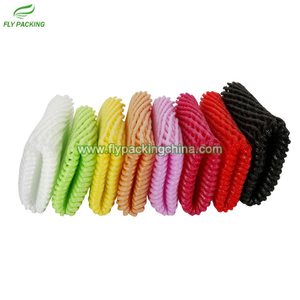
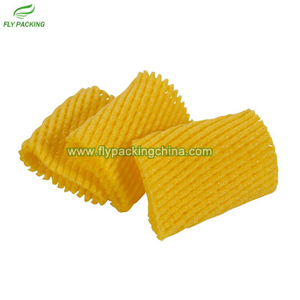
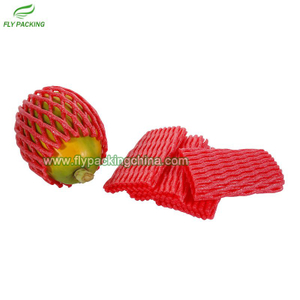
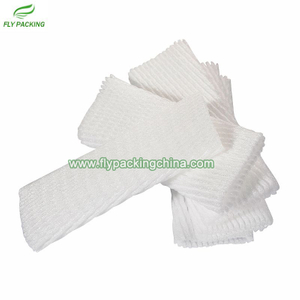
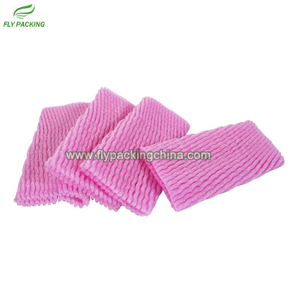
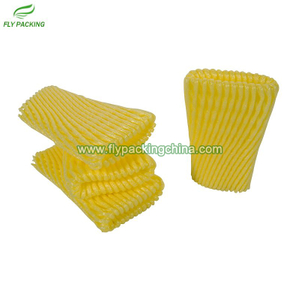
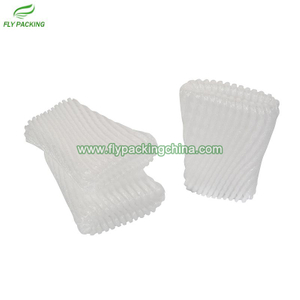
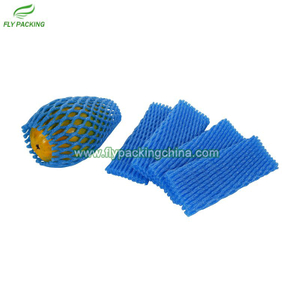
Fruit foam sleeves are specialized packaging materials designed to protect delicate fruits during transportation and storage. Made from expanded polythene (EPE) foam, these sleeves are lightweight, flexible, and highly effective at absorbing shocks and impacts. Their net-like structure cushions fruits, preventing damage and preserving freshness. You’ve likely encountered these sleeves wrapped around pears, apples, or even mangoes at your local grocery store.
Proper fruit packaging is crucial for maintaining the quality and appearance of fruits. Without adequate protection, fruits can suffer from bruising, punctures, and other forms of damage during transit. This not only reduces their visual appeal but also affects their shelf life and taste. Foam sleeves play an integral role in addressing these issues by offering an extra layer of protection that ensures fruits reach consumers in peak condition.
Foam sleeves work by distributing pressure evenly across the surface of the fruit. This prevents concentrated points of impact that could result in bruising or damage. The cellular structure of the foam absorbs shocks, while its breathable nature allows for air circulation, preventing moisture buildup that could lead to spoilage. This balance of protection and breathability makes foam sleeves ideal for use with fresh produce.
Foam net sleeve pocket offer several advantages over traditional packaging methods. First and foremost, they are incredibly lightweight, adding minimal extra weight to shipments and reducing transportation costs. They are also highly flexible, allowing them to conform to the shape of a variety of fruits, from round apples to elongated cucumbers. Additionally, their shock-absorbing properties help prevent damage during handling and transport.

While foam sleeves provide excellent protection for fruits, their environmental impact is a concern that cannot be ignored. Most foam sleeves are made from non-biodegradable materials, which can contribute to plastic waste if not disposed of properly. However, efforts are being made to develop eco-friendly alternatives, such as biodegradable or recyclable foam sleeves, to mitigate this impact and promote sustainability in the fruit packaging industry.
Beyond their primary use in protecting fruits, foam sleeves have found applications in various other industries. Their cushioning properties make them suitable for protecting delicate electronic components and fragile items during shipping. Some creative individuals have even repurposed foam sleeves for DIY projects, using them to create cushions, padding, or decorative elements. This versatility highlights the potential for foam sleeves to be used in innovative and unexpected ways.
When comparing foam sleeves to traditional packaging materials like cardboard or plastic wrap, several advantages become apparent. Foam sleeves provide superior cushioning and shock absorption, reducing the risk of damage during transport. They are also more breathable, allowing for better air circulation and preventing the buildup of moisture that can lead to spoilage. Additionally, foam sleeves are reusable, making them a cost-effective choice for businesses looking to reduce packaging waste.
One of the key benefits of foam sleeves is their versatility in customization. Foam sleeves can be tailored to fit specific fruit sizes and shapes, ensuring a snug and secure fit. They can also be produced in various colors, allowing for branding opportunities or easy identification of different fruit varieties. Customizable foam sleeves provide businesses with the flexibility to meet their unique packaging needs while maintaining product protection.
Selecting the right foam sleeve for your fruits involves considering several factors, including the type of fruit, its size, and any specific packaging requirements. For delicate fruits like peaches or plums, a thicker foam sleeve may be necessary for added protection. Conversely, more durable fruits like apples or oranges may require thinner sleeves. By assessing your specific needs and consulting with packaging experts, you can ensure that your fruits are adequately protected throughout the supply chain.
Looking ahead, the future of fruit packaging lies in the continued development of eco-friendly solutions that balance protection with sustainability. Researchers and manufacturers are exploring new materials that offer the same benefits as traditional foam sleeves without negative environmental consequences. Innovations such as biodegradable foam sleeves made from renewable resources hold promise for reducing waste and creating a more sustainable fruit packaging industry.
In conclusion, fruit packaging foam sleeves are essential tools in the battle against fruit bruising and spoilage. They provide a lightweight, flexible, and effective solution for protecting delicate produce during transportation and storage. While environmental concerns remain, ongoing advancements in sustainable materials offer hope for a greener future. By choosing the right foam sleeve for your fruits, you can ensure that your produce arrives fresh and undamaged, delighting consumers and supporting your business's success.
For more insights into effective packaging solutions and the latest trends in the industry, consider reaching out to our experts or exploring additional resources. Together, we can work towards a more sustainable and efficient approach to fruit packaging.

| | 1/F, NO.81, CHANGZHEN ROAD, SHUIKOU TOWN, KAIPING CITY, GUANGDONG, CHINA |
| | +86-0-136 3183 6942 / +86-0-134 2677 9895 +86-750-2280358 |
| |