Views: 27 Author: Site Editor Publish Time: 2026-03-13 Origin: Site
Fruit damage during transit is one of the most costly problems in the fresh produce industry. A single bruised batch can mean lost revenue, unhappy buyers, and damaged supplier relationships. That's why more growers, exporters, and distributors are turning to fruit foam net packaging—a simple yet highly effective solution that protects produce from the farm to the shelf.
This guide covers everything you need to know about fruit foam net making, the different types available, how to choose the right one for your produce, and what to look for when sourcing a reliable supplier. By the end, you'll have a clear picture of how foam net packaging works and why it's become a staple in the global fresh fruit supply chain.
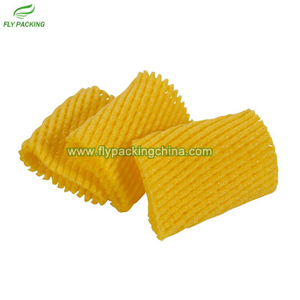
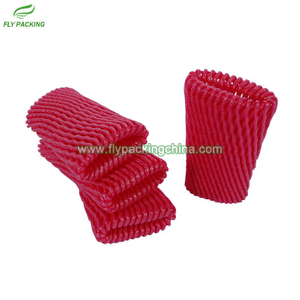
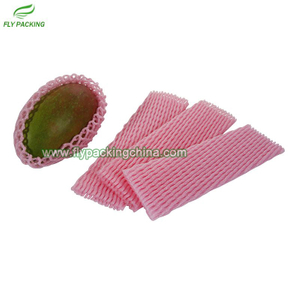
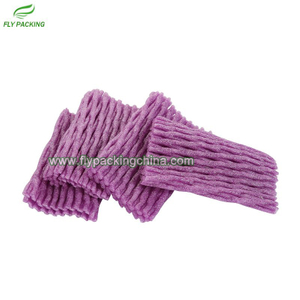
Fruit packing foam net is a tubular or sheet-based sleeve made from expanded polyethylene (EPE) foam. It wraps around individual fruits, forming a cushioned layer that absorbs shocks and prevents surface-to-surface contact during handling, stacking, and shipping.
The material is lightweight, odorless, non-toxic, and moisture-resistant—making it safe for direct contact with fresh produce. EPE foam is also recyclable, and biodegradable options are now widely available, addressing growing environmental concerns in the packaging industry.
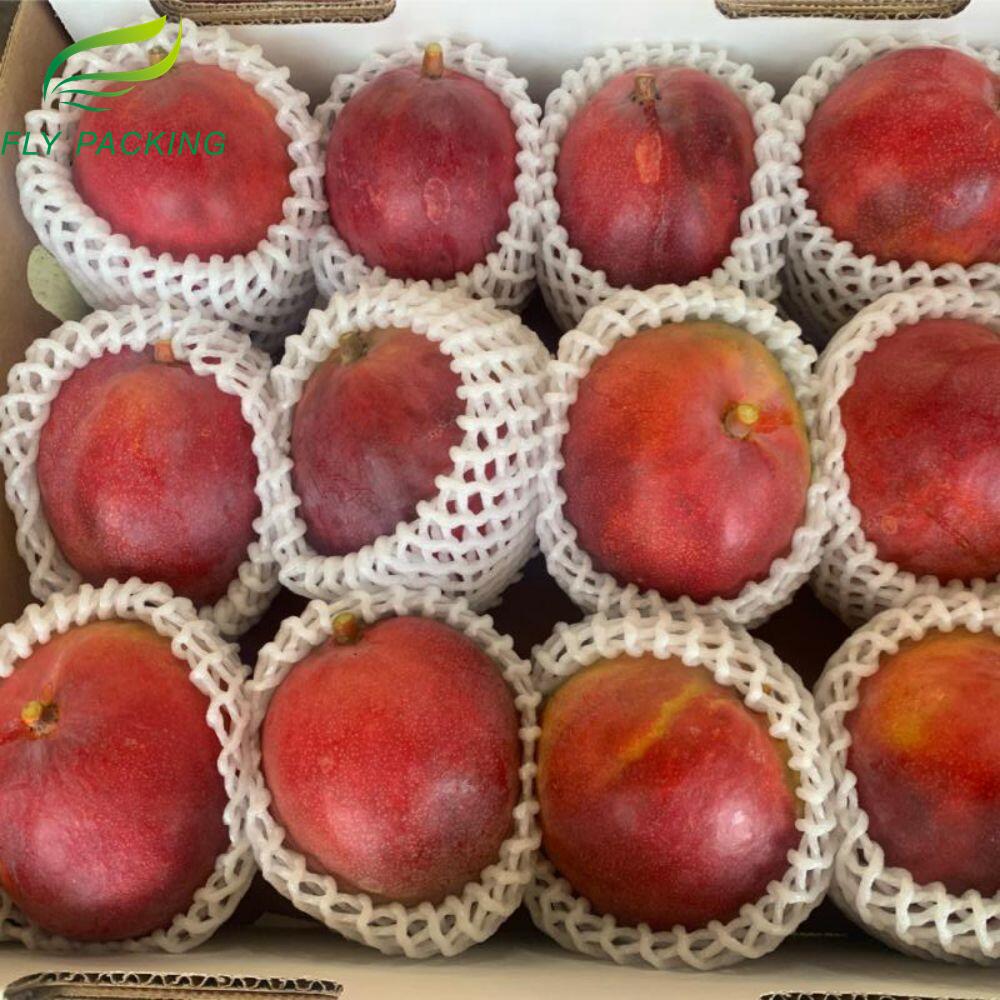
Foam nets are used across a wide range of fruits, including apples, pears, mangoes, peaches, avocados, kiwis, and citrus varieties. Their soft, flexible structure conforms to the shape of virtually any fruit, providing consistent protection regardless of size or contour.
Understanding the fruit foam net making process helps buyers make better sourcing decisions and gives manufacturers insight into quality control at each stage.
The process begins with raw EPE resin, which is melted and extruded through a die to form a foam net structure. The foam is expanded using a blowing agent, creating the characteristic open-cell or closed-cell texture that gives the net its cushioning properties. The net is then cut into individual sleeves of a specified length, or left as a continuous roll for high-volume packing operations.
Key variables in the manufacturing process include:
Foam density: Determines how much cushioning the net provides
Net diameter: Must match the size of the target fruit
Layer structure: Single-layer nets offer basic protection; double-layer nets provide enhanced cushioning for more delicate produce
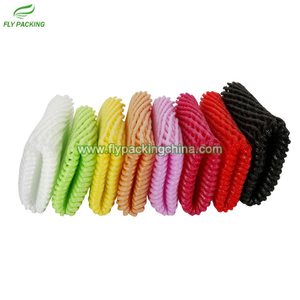
Color: Available in multiple colors for branding, sorting, or market differentiation
Precision in these variables is what separates a well-made foam net from one that tears easily, collapses under pressure, or fails to protect the fruit effectively.
Not all foam nets are created equal. The right choice depends on the fruit type, shipping conditions, and how the nets will be applied—manually or by machine. Here's a breakdown of the main categories:
Type | Description | Best For |
|---|---|---|
Single Layer Foam Net | One layer of EPE foam; lightweight and flexible | Apples, pears, citrus fruits |
Double Layer Foam Net | Two layers of foam for added protection | Mangoes, peaches, kiwis, fragile produce |
Foam Net Roll (Uncut) | Continuous roll; cut to size on-site | High-volume packing lines |
Tapered Foam Net | One or two sides tapered for easier application | Round fruits with irregular shapes |
Biodegradable Foam Net | Made from eco-friendly materials | Eco-conscious markets, export compliance |
Each type has a specific use case. For example, a one-side tapered net is easier to slide onto round fruits quickly, which matters on a fast-moving packing line. A double-layer net, meanwhile, is the right call for delicate stone fruits that bruise easily.
Selecting the right foam net packaging comes down to four key factors:
The inner diameter of the foam net should match the size of the fruit when fully sleeved. A net that's too loose won't stay in place; one that's too tight may cause pressure marks. Most manufacturers offer nets in a range of sizes, typically measured by the diameter of the expanded tube and the length of the sleeve.
Thin-skinned fruits like peaches and mangoes need more cushioning than hard-skinned varieties like apples or citrus. For fragile produce, a double-layer foam net provides better shock absorption and reduces the risk of bruising during stacking or long-distance transport.
Manual packing lines benefit from pre-cut sleeves that are easy to apply by hand. Automated or semi-automated packing operations typically use foam net rolls, which are fed through machinery and cut on demand. Confirm that the net dimensions are compatible with your equipment before ordering in bulk.
Export markets—particularly in Europe and North America—are increasingly strict about packaging sustainability. Biodegradable EPE foam nets help meet these requirements without compromising protection. Some buyers also require food-contact certification, so always ask your supplier for documentation.
The table below outlines common specification ranges for fruit packing foam nets. These figures are general industry reference points and will vary by manufacturer.
Specification | Common Range |
|---|---|
Foam Thickness | 1mm – 3mm |
Net Diameter (expanded) | 50mm – 300mm |
Sleeve Length | 100mm – 400mm |
Roll Length | 500m – 2000m per roll |
Color Options | White, Yellow, Red, Green, Black, Pink, and more |
Material | EPE (Expanded Polyethylene) |
Certification | Food-grade, ROHS, biodegradable (varies by supplier) |
Always request a sample before placing a large order. Testing the foam net against your actual produce under real packing conditions is the most reliable way to validate fit and performance.
The case for using fruit foam net packaging is straightforward. Here are the most significant advantages:
Reduced Post-Harvest Losses
Mechanical damage during packing and transport is one of the leading causes of post-harvest fruit loss. Foam nets absorb impact and prevent fruit-to-fruit contact, directly cutting down on waste and returns.
Improved Shelf Appearance
Fruits that arrive undamaged command higher prices at retail. A clean, bruise-free surface signals quality and freshness, which matters both to retailers and end consumers.
Lightweight and Cost-Effective
EPE foam is extremely light, which means foam nets add minimal weight to a shipment. The cost per unit is low relative to the protection they offer, making them one of the most economical protective packaging options available.
Versatile Application
The same foam net structure works across dozens of fruit varieties. Suppliers like Fly Packing Co., Limited offer a wide product range covering everything from small citrus fruits to larger tropical varieties, with customization options for size, color, and material.
Stackable and Storage-Friendly
Foam nets compress easily and take up minimal storage space. Pre-cut sleeves can be stacked in bundles, while rolls are compact enough to store on standard warehouse shelving.
The quality of your foam net packaging is only as good as the supplier behind it. When evaluating manufacturers, consider the following:
Production experience: Suppliers with years of foam net making experience are more likely to deliver consistent quality across large orders
Customization capability: Can they match your required sizes, colors, and material specifications?
Certifications: Look for food-grade compliance, environmental certifications, and export documentation
Minimum order quantities (MOQs): Confirm these align with your volume needs
Lead times and logistics: For international buyers, reliable shipping timelines and container optimization are essential
Sample availability: A reputable supplier will always provide pre-production samples
Fly Packing Co., Limited, based in Guangdong, China, has been manufacturing and exporting foam products since 2002. Their range covers single-layer and double-layer foam nets, foam net rolls, uncut foam nets, and biodegradable options—catering to buyers across multiple markets and fruit types. You can explore their full foam net product catalog here.
What fruits are best suited for foam net packaging?
Foam nets work well for most round and oval fruits, including apples, pears, mangoes, avocados, kiwis, citrus fruits, peaches, and plums. The key is matching the net diameter and cushioning level to the specific fruit.
Are fruit foam nets food-safe?
Yes, EPE foam is non-toxic, odorless, and food-safe. Reputable manufacturers provide food-contact certifications on request. Always confirm this with your supplier before use.
Can foam nets be used in automated packing lines?
Yes. Foam net rolls (uncut) are specifically designed for machine-fed packing lines. Confirm the roll dimensions and compatibility with your equipment before ordering.
What is the difference between single-layer and double-layer foam nets?
Single-layer foam nets offer standard protection for firmer fruits. Double-layer nets provide greater cushioning and are recommended for delicate produce prone to bruising.
Are there eco-friendly foam net options?
Biodegradable EPE foam nets are available and are increasingly popular with exporters serving environmentally conscious markets. Ask your supplier about their biodegradable product line.
The right foam net packaging decision protects more than just your fruit—it protects your margins, your brand reputation, and your buyer relationships. Choosing the correct type, size, and material for your produce, and sourcing from a manufacturer with proven experience in fruit foam net making, is the foundation of a reliable packing operation.
If you're ready to source high-quality foam net packaging for your business, explore the full range of fruit packing foam net solutions at Fly Packing Co., Limited. Request a sample, compare specifications, and find the right fit for your produce today.

| | 1/F, NO.81, CHANGZHEN ROAD, SHUIKOU TOWN, KAIPING CITY, GUANGDONG, CHINA |
| | +86-0-136 3183 6942 / +86-0-134 2677 9895 +86-750-2280358 |
| |