Views: 4 Author: Site Editor Publish Time: 2026-03-20 Origin: Site
Shipping fragile items requires careful planning and the right materials. Every year, countless glass products and fresh agricultural goods arrive at their destinations bruised, cracked, or completely broken. This transit damage costs businesses money and ruins the customer experience. Fortunately, a simple and highly effective packaging solution exists to prevent these costly accidents.
Using high-quality packaging materials is the most reliable way to secure your products during transit. Low-Density Polyethylene (LDPE) packaging sleeves have emerged as the industry standard for impact resistance. These lightweight structures absorb shock, resist moisture, and stretch to accommodate various shapes. Because they are highly adaptable, businesses across multiple industries rely on them to safeguard their most vulnerable inventory.
Whether you ship expensive glass packaging or delicate agricultural produce, finding the right protective sleeve is essential. You need a solution that is affordable, easy to apply, and environmentally responsible. In this comprehensive guide, we will explore the many benefits of using foam netting for bottles, how these sleeves protect delicate produce like mangos, and what specifications you should look for when choosing a packaging supplier.
Glass packaging presents unique logistical challenges. Wine bottles, artisanal spirits, and gourmet olive oils look beautiful on a shelf, but they are incredibly fragile during transit. Vibrations from delivery trucks, accidental drops in warehouses, and shifting cargo can easily shatter glass.
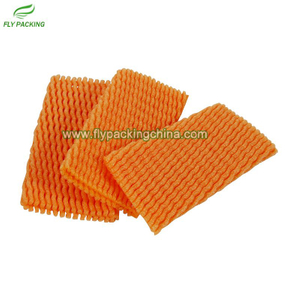
Using foam netting for bottles provides a protective cushion that significantly reduces the risk of breakage. The expanded foam structure acts as a shock absorber. When a box experiences a sudden impact, the net compresses and dissipates the kinetic energy before it can reach the glass. This anti-collision property is crucial for e-commerce retailers and vineyards that ship their products directly to consumers.
Beyond physical protection, these nets prevent glass-to-glass contact. If you pack multiple items in a single carton, they can easily clink together and crack. A protective mesh layer keeps them securely separated. Additionally, the netting prevents labels from tearing or scuffing during transit. Your customers will receive pristine, retail-ready products that reflect the high quality of your brand.
For a top-tier protective solution, you can explore the China Foam Wine Packaging Wine Bottle Protector Packaging Net SC-7-18-G from Fly Packing Co., Limited. Their products are specifically designed to offer deluxe presentation alongside robust protection.
Agricultural businesses face similar transportation hurdles. Fresh produce is highly susceptible to bruising, puncturing, and spoiling if mishandled. Utilizing foam netting fruits packaging extends the shelf life of your harvest by minimizing physical trauma from the farm to the grocery store display.
When fruit sustains a bruise, the damaged cellular tissue begins to oxidize and decay rapidly. This reduces the visual appeal of the fruit and forces retailers to discard unsellable inventory. By slipping a protective LDPE net over individual pieces of fruit, farmers and distributors create a physical barrier against impact. The open-mesh design also allows for essential airflow. Proper ventilation prevents moisture buildup, which is a leading cause of mold and premature rotting.
Certain fruits require specialized care due to their delicate skin and heavy weight. Foam netting for mangos is an excellent investment for tropical fruit exporters. Mangos are prone to pressure damage during stacking. A thick, single-layer foam net distributes the weight evenly, preventing the fruit at the bottom of the crate from being crushed.
This packaging method is equally effective for other soft-skinned items like papayas, peaches, pomegranates, and dragon fruit. Fly Packing's standard 7cm by 18cm sizing is particularly well-suited for medium to large fruits, ensuring a snug fit that stays in place throughout the shipping journey.

The effectiveness of these packaging nets comes from their core material: Low-Density Polyethylene. LDPE is a thermoplastic made from the monomer ethylene. It is celebrated in the packaging industry for its exceptional flexibility and toughness.
When manufactured into an expanded foam net, LDPE becomes highly compressible. It can stretch to accommodate wide wine bottles or large papayas and then retract to hold the item securely. Furthermore, LDPE is completely non-toxic and tasteless. This makes it a food-grade material that can safely come into direct contact with edible goods.
Retailers and consumers are increasingly concerned about environmental impact. Quality LDPE foam nets are 100% recyclable. By choosing recyclable packaging, your business can reduce its carbon footprint while still maintaining superior product protection.
When selecting protective sleeves for your business, it helps to understand the exact specifications available. You want to ensure the supplier meets international safety and quality standards. Below is a breakdown of the standard features you can expect from premium packaging nets.
Feature | Specification Details |
|---|---|
Main Material | 100% pure LDPE (Low-Density Polyethylene) |
Standard Dimensions | 7cm width x 18cm length |
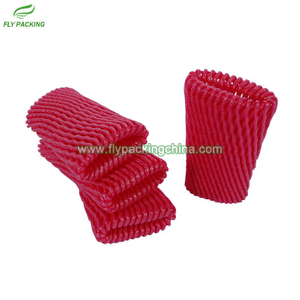
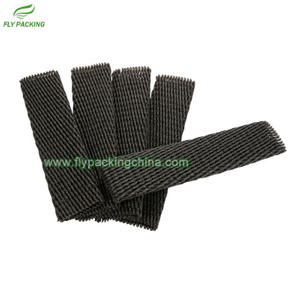
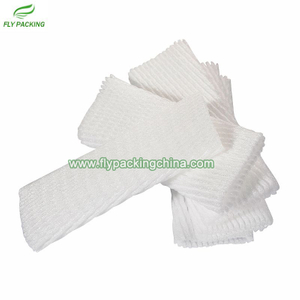
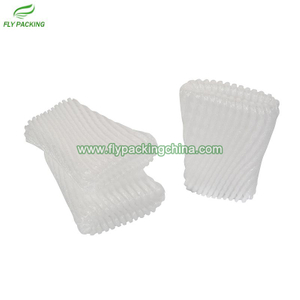
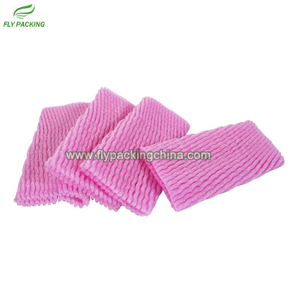
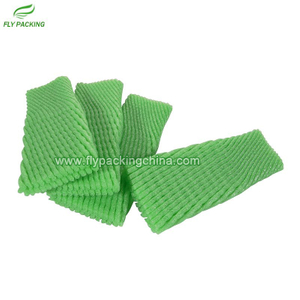
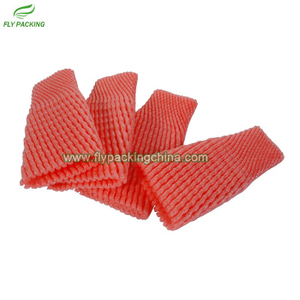
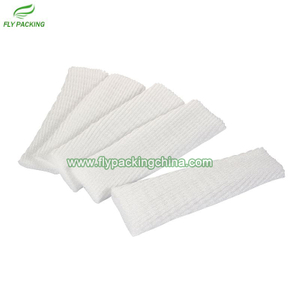
Available Colors | White, Purple, Blue, Red |
Safety Features | Food-grade, 100% non-toxic, tasteless |
Key Functions | Anti-collision, surface protection, recyclable |
Suitable Applications | Bottles (wine, glass), Fruits (mango, papaya, pear, apple), Fragile Items (ceramics, pots) |
International Certifications | SGS, MSDS, FDA |
Using distinct colors like purple, blue, or red can also make your products more eye-catching on retail displays. A vibrant net adds a deluxe feel to premium fruits and imported beverages, helping your goods stand out from the competition.
Yes. High-quality nets made from 100% pure LDPE are food-grade, non-toxic, and tasteless. They meet stringent FDA and SGS certifications, ensuring they will not contaminate your fresh fruits or vegetables.
The expandable nature of LDPE allows the netting to stretch significantly. A standard 7cm x 18cm net can easily expand to grip wider bottles, vases, or large ceramic items securely without losing its protective thickness.
Implementing protective packaging greatly reduces the financial losses associated with damaged inventory. By spending a fraction of a cent on a protective net, you save the total cost of a shattered wine bottle or a ruined crate of mangos. It is a highly cost-effective insurance policy for your products.
Protecting your inventory should always be a top priority. Damaged goods lead to lost revenue, frustrated customers, and wasted resources. By integrating flexible LDPE mesh into your shipping protocols, you create a reliable defense against the bumps and drops of modern logistics.
Take a moment to evaluate your current packaging strategy. Are you losing money to transit damage? Upgrading to professional-grade protective sleeves will preserve the quality of your glasswares and fresh produce. Explore customizable sizing and color options from trusted suppliers to find the perfect fit for your specific merchandise.

| | 1/F, NO.81, CHANGZHEN ROAD, SHUIKOU TOWN, KAIPING CITY, GUANGDONG, CHINA |
| | +86-0-136 3183 6942 / +86-0-134 2677 9895 +86-750-2280358 |
| |