Views: 3 Author: Site Editor Publish Time: 2025-05-27 Origin: Site
When it comes to packaging delicate fruits, protecting them from damage during transport is a top priority. This is where fruit foam sock wrap nets step in. Lightweight, flexible, and highly protective, these wrap nets play an essential role in ensuring that fruits reach their destinations in pristine condition.
Whether you’re a fruit distributor looking to optimize shipping practices or a grower seeking effective ways to keep produce intact, this guide will unpack everything you need to know about fruit foam sock wrap nets, their benefits, and why they are essential for fly packing.
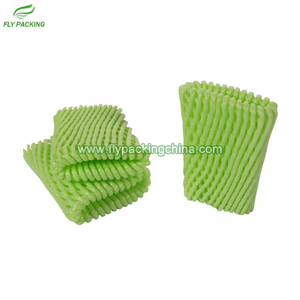
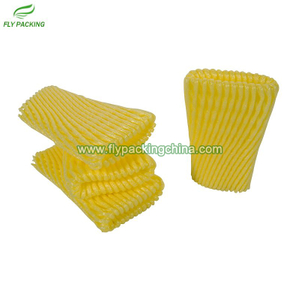
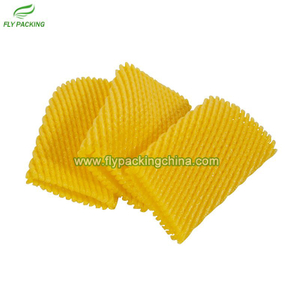
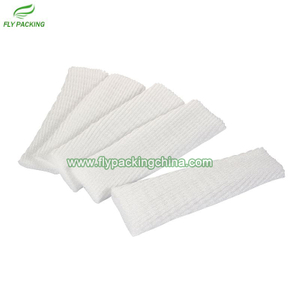
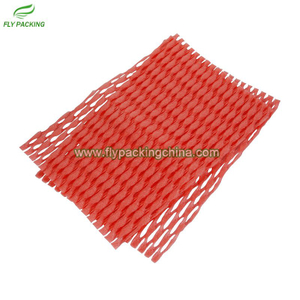
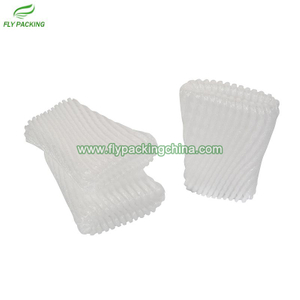
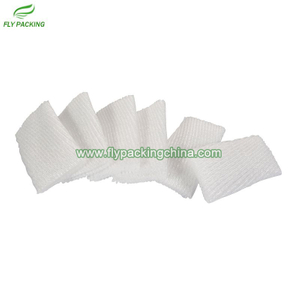
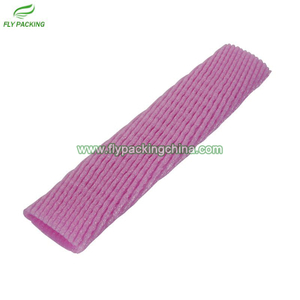
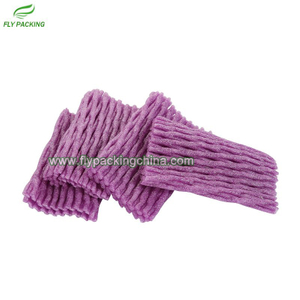
A fruit foam sock wrap net is a protective sleeve made from lightweight, expandable foam material. Designed specifically for delicate fruits, these wraps prevent bruising, scratching, and other forms of damage during handling and transportation. The flexibility of the foam nets means they conform snugly to the shape of the fruit, offering a customized level of protection for each piece.
These protective wraps are widely used in the fruit packaging industry and are especially important when fly packing, a method of transporting goods quickly and with minimal handling to maintain freshness and quality.
Fly packing refers to a streamlined approach to shipping fresh produce via air freight. The goal of fly packing is to ensure that fruits and other fresh goods arrive in excellent condition, often over long distances, while maintaining an emphasis on speed and efficiency.
Because fruits endure multiple stages of handling—from packaging to placement on pallets and through various modes of transport before reaching retailers or end consumers—fly packing requires specific tools, such as fruit foam sock wrap nets, to minimize handling risks.
When it comes to protecting delicate produce like apples, pears, peaches, or mangoes, fruit foam sock wrap nets offer numerous advantages that make them indispensable for fly packing:
Fruits are fragile, and even minor impacts can result in bruising, which can reduce their shelf life. Fruit foam sock wrap nets cushion the produce, absorbing shock from bumps, drops, or vibrations that may occur during transit.
The open, mesh-like design of foam nets ensures proper airflow around the fruit. This helps maintain freshness and prevents excess moisture buildup, which could lead to spoilage. For fly-packing operations that prioritize speed and product quality, this feature is invaluable.
Weight is a crucial factor in air freight, where shipping costs are calculated based on package weight. Fortunately, fruit foam sock wrap nets are made from ultra-lightweight foam material, adding minimal weight to the overall shipment while providing maximum protection.
Compared to heavier packaging materials, fruit foam sock wrap nets are an economical choice for bulk fruit transportation. They deliver exceptional protection without driving up shipping expenses.
Many modern foam nets are created using recyclable or biodegradable materials, offering an environmentally conscious solution for fruit packaging. This aligns with the growing industry focus on sustainability.
While the primary goal of fruit foam sock wrap nets is protection, their semi-transparent structure provides visibility of the fruit while keeping it shielded. This is particularly useful for visual inspections during quality control processes.

Proper use of fruit foam sock wrap nets can make all the difference in ensuring the quality and safety of your fruit shipments. Here’s a step-by-step guide to effectively using them:
Fruit foam sock wrap nets are available in various sizes to accommodate different types of fruits. Ensure you choose a size that fully covers the fruit while allowing the foam net to conform snugly to its surface.
Carefully slide the foam net over each individual fruit. The expandable nature of the net ensures that it will adapt to the fruit’s shape, whether you’re wrapping round produce like apples or more elongated formations like papayas.
After wrapping the fruits, arrange them securely in their transportation crates or boxes. Foam-wrapped fruits can be stacked with less risk of damaging one another.
When integrating foam-wrapped fruits into fly packing, make sure the crates or boxes are properly labeled, secured, and placed to facilitate fast and efficient loading and unloading throughout the transportation process.
Train your packing and shipping staff on the importance and proper use of fruit foam sock wrap net, as careful handling and packing can further protect the shipment and optimize results.
Certain fruits are especially prone to damage, making fruit foam sock wrap nets an ideal packaging choice. Here’s a look at some popular fruits that benefit from the protection of foam nets:
· Apples
· Pears
· Oranges
· Peaches
· Mangoes
· Kiwis
· Papayas
· Pomegranates
These fruits often have delicate skins or are sensitive to handling, making foam nets an industry favorite in ensuring their quality remains intact.
To get the best out of fly packing, it’s important to source fruit foam sock wrap nets from reliable suppliers. Look for vendors who offer:
· Custom sizing options to suit various types of fruits
· Eco-friendly material choices for sustainable packaging
· Competitive pricing for bulk orders
· Positive reviews from other professionals in the fruit packaging industry
Exploring suppliers with these characteristics ensures that your investment in foam nets delivers maximum returns.
Global trade and increasing consumer demand for high-quality fresh produce have made effective packaging a key component of the agricultural supply chain. Fruit foam sock wrap nets are paving the way as essential tools in modern fly-packing practices, offering growers, distributors, and retailers a reliable method to minimize losses and maintain product quality.
Their lightweight, protective, and cost-effective nature complements the fast-paced requirements of air freight, making them an indispensable asset for businesses aiming to deliver fresh, flawless fruits to customers worldwide.
Whether you’re focused on expanding your fruit export business, streamlining your distribution processes, or offering customers exceptional produce, fruit foam sock wrap nets can play a pivotal role in maintaining quality. By combining these protective wraps with thoughtful fly-packing operations, you can confidently meet market demands while minimizing waste and maximizing profits.

| | 1/F, NO.81, CHANGZHEN ROAD, SHUIKOU TOWN, KAIPING CITY, GUANGDONG, CHINA |
| | +86-0-136 3183 6942 / +86-0-134 2677 9895 +86-750-2280358 |
| |