
Every piece of fruit that leaves a farm faces a journey it was never built for. Trucks jolt over uneven roads, pallets shift inside shipping containers, and temperature swings stress delicate skins long before a mango or a bottle of wine reaches a store shelf. A single bruise, crack, or scuff can tu

Fresh produce travels a long road before it reaches a grocery shelf or a dinner table. Along the way, bruising, compression, and surface scratches can turn a perfectly ripe piece of fruit into something no shopper wants to pick up. For growers, packers, and exporters, the margin between a saleable c

Fresh produce travels thousands of miles before it reaches a dinner table, and every mile adds risk. A single bruise on a mango or a hairline crack in a wine bottle can turn a profitable shipment into a loss. Packers, exporters, and growers have spent decades looking for materials that absorb shock

Mangoes are among the most bruise-prone fruits moved through global supply chains. Their thin skin and soft flesh mean even a light knock during loading or transport can leave a mark that shows up days later at the retail shelf. For growers and exporters, that kind of damage translates directly into

Bottles break for one simple reason: they move when they shouldn't. A wine bottle knocking against a crate wall, a glass jar rubbing its neighbor, a shipment jostled by hours of highway vibration—these small motions compound into cracks, scratches, and shattered stock by the time a package reaches i

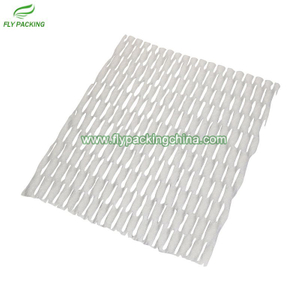
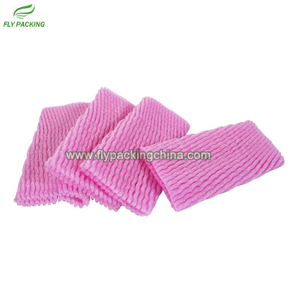
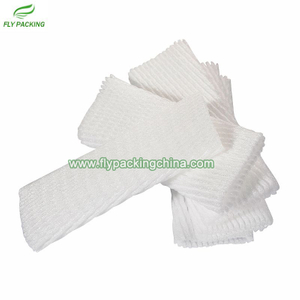
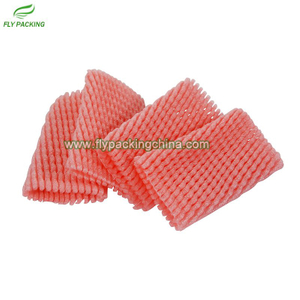
Foam nets protect fresh produce from bruising, scratching, and impact damage during transit. Single-layer options suit lighter fruits, while double-layer designs add extra cushioning for heavier or more delicate produce. Sourcing from a specialized manufacturer ensures consistent quality, reliable s

Long-distance freight puts constant pressure on delicate cargo. Vibration, stacking loads, and shifting weight cause most damage—not dramatic accidents, but slow, grinding contact over hundreds of miles. For growers, packers, and exporters, that damage eats directly into profit margins.Foam mesh sle

Bottles break for one simple reason: they move when they shouldn't. A wine bottle knocking against a crate wall, a glass jar rubbing its neighbor, a perfume flacon vibrating loose during a long haul—these small motions add up to cracks, scratches, and shattered goods by the time a package arrives.Fo
Views: 21 Author: Site Editor Publish Time: 2023-04-04 Origin: Site
Foam Netting is an excellent packaging solution for fruits and vegetables that helps to protect them during transport, thereby maintaining their freshness and quality. It is also an environmentally friendly product, as it does not release toxic gases into the air during transportation.
The net material is made from non-crosslinked, expandable polyethylene foam, which is lightweight and durable. It is ideal for protecting fruit, as it absorbs impact and keeps the product from bruising.
Apples, for example, are packaged in foam net to prevent rotting and deterioration during transport. This reduces the amount of fruit that is wasted and increases the number of apples sold to consumers.
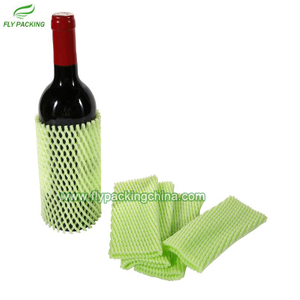
EPE foam netting is made from high-quality, high-density, and food grade materials that can be recycled at the end of their useful life. It is a lightweight and versatile product that can be used to package many different products, including bottles of wine and quality fruit.
Choosing the correct size of net to use is important for its wrapping properties, protection, and aesthetics. If the opening area of the net is too large, it will not shrink to the proper position after being packed with apples. This will lead to weak protection of the apples and poor aesthetics.
Mesh is a supple, soft, and easy-to-work-with material that can be formed around curves and hard angles. It is ideal for use in the foam coating process, as it can be cut to shape and is not heavy.
Foam Fruit Wrapper
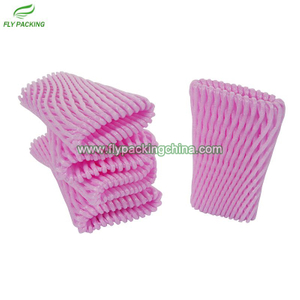
Foam fruit wrapper is the spongy Styrofoam netting that you see wrapped around apples in the supermarket. It’s used to transport fresh fruits and protect them from damage during transit.
This packaging material is made of Expanded PolyEthylene foam which is stretchable and conforms to the shape of the product being packed. It is a great way to protect fruits from the weather and is environmentally friendly.
It is also an excellent insulator and helps keep foods cool, thereby extending their shelf life. It is especially useful for packing fresh fruits in hot climates as it can help prevent the fruit from getting spoiled by the heat.
They are also a great way to protect your bottles of wine from the bumps and bruises that come from transporting them!
One of the most important factors that impact fruit quality during transit is mechanical vibration. Using the right packaging materials can significantly reduce this damage.
Vibration intensity and the number of bruises are influenced by several factors such as vehicle speed, road roughness, the type of packaging materials and stack height (Zhou et al., 2008). This study evaluated the effect of cushioning on vibration intensity and the number of bruises of pears in a simulated transport environment.
The results showed that the pear fruit protected by a foam net package had lower levels of vibration intensity and fewer bruises than that of a paper-wrap package. It also maintained the physical quality of pears during transportation and prevented commercialization losses.
Fruit Foam Netting
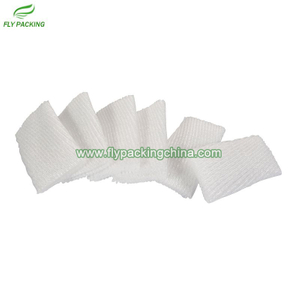
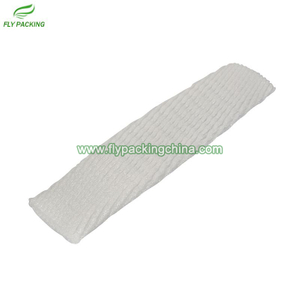
Fruit foam netting is an efficient and environmentally friendly packaging material for storing fruits. The non-crosslinked, expandable polyethylene foam protects produce from damage and bruising during transportation and allows air to circulate. These nettings are available in a variety of sizes and can be custom cut to fit specific products.
Foam netting is a modern trend in commercial packaging that can provide a wide range of benefits to both businesses and consumers. It allows for customization, branding campaigns and a cost-effective distribution network.
The material used to make foam netting is non-crosslinked expanded polyethylene (EPS). It can be customized to the shape and size of each product, making it an excellent choice for a wide variety of applications.
In addition to being flexible and lightweight, EPS foam is also biodegradable, so it’s a good choice for environmental concerns. Moreover, it can be used to protect fresh fruit from damage while in transit, which prevents the fruit from spoiling and extends its shelf life.
EPE foam fruit net is made of high-foam polyethylene (EPE) material that is extruded at a high temperature. It is then produced in a mesh sleeve by adding two types of auxiliary materials, industrial or medical grade ultra-fine talc powder and a food-grade anti-shrinkage agent.
The foam fruit net is an essential part of any food packaging process. It provides the best protection from scratches and rot, which helps to prolong the freshness of fruit. It is a light-weight, durable, and cost-effective packaging solution for any business.

| | 1/F, NO.81, CHANGZHEN ROAD, SHUIKOU TOWN, KAIPING CITY, GUANGDONG, CHINA |
| | +86-0-136 3183 6942 / +86-0-134 2677 9895 +86-750-2280358 |
| |