
Every piece of fruit that leaves a farm faces a journey it was never built for. Trucks jolt over uneven roads, pallets shift inside shipping containers, and temperature swings stress delicate skins long before a mango or a bottle of wine reaches a store shelf. A single bruise, crack, or scuff can tu

Fresh produce travels a long road before it reaches a grocery shelf or a dinner table. Along the way, bruising, compression, and surface scratches can turn a perfectly ripe piece of fruit into something no shopper wants to pick up. For growers, packers, and exporters, the margin between a saleable c

Fresh produce travels thousands of miles before it reaches a dinner table, and every mile adds risk. A single bruise on a mango or a hairline crack in a wine bottle can turn a profitable shipment into a loss. Packers, exporters, and growers have spent decades looking for materials that absorb shock

Mangoes are among the most bruise-prone fruits moved through global supply chains. Their thin skin and soft flesh mean even a light knock during loading or transport can leave a mark that shows up days later at the retail shelf. For growers and exporters, that kind of damage translates directly into

Bottles break for one simple reason: they move when they shouldn't. A wine bottle knocking against a crate wall, a glass jar rubbing its neighbor, a shipment jostled by hours of highway vibration—these small motions compound into cracks, scratches, and shattered stock by the time a package reaches i

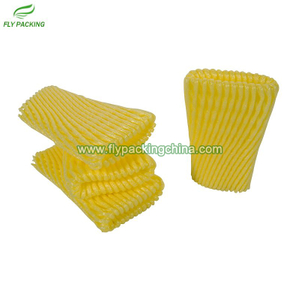
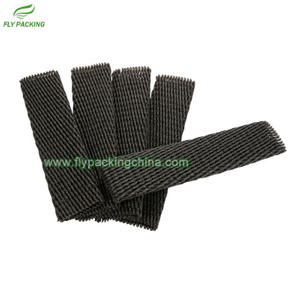
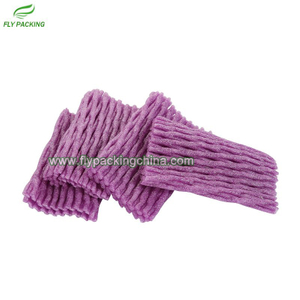
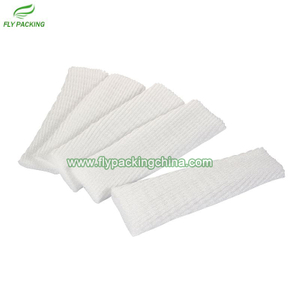
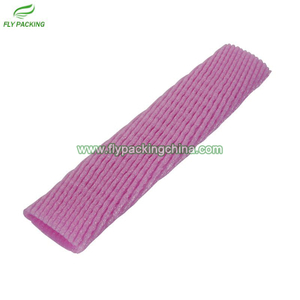
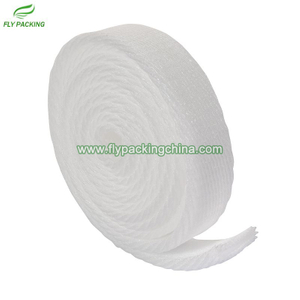
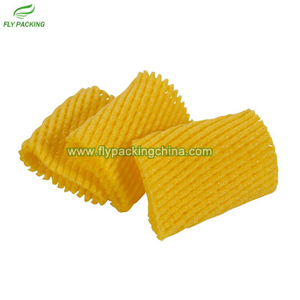
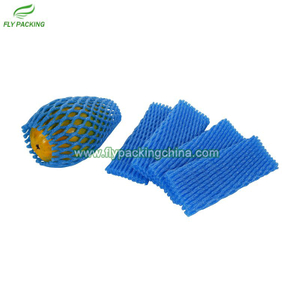
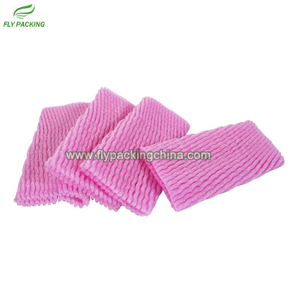
Foam nets protect fresh produce from bruising, scratching, and impact damage during transit. Single-layer options suit lighter fruits, while double-layer designs add extra cushioning for heavier or more delicate produce. Sourcing from a specialized manufacturer ensures consistent quality, reliable s

Long-distance freight puts constant pressure on delicate cargo. Vibration, stacking loads, and shifting weight cause most damage—not dramatic accidents, but slow, grinding contact over hundreds of miles. For growers, packers, and exporters, that damage eats directly into profit margins.Foam mesh sle

Bottles break for one simple reason: they move when they shouldn't. A wine bottle knocking against a crate wall, a glass jar rubbing its neighbor, a perfume flacon vibrating loose during a long haul—these small motions add up to cracks, scratches, and shattered goods by the time a package arrives.Fo
Views: 10 Author: Site Editor Publish Time: 2022-11-23 Origin: Site
Using a foam netting as a protective covering for fresh fruit is a no brainer. The benefits include an extended shelf life and less weight on the shipping cart. It's also a good way to avoid scuffs and scratches during transit. And in some hot climates, it's even a fun activity.
Foam netting is also good for protecting glass bottles. The best kind to use is the high density foam sock, which is lightweight and durable. The best time to use it is during the cooler months, when the temperature is cooler and the fruits are at their freshest. A foam sock is also the best way to keep the fruit off the floor and out of the hands of children. Using it in conjunction with the usual packing materials is a win-win for everyone.
There are many foam netting products on the market today. Whether you're looking for a lightweight foam sock or a hefty heavy duty foam sock, you're sure to find a solution to meet your storage needs. The most important thing is to find a supplier with a great track record.
During the process of packing fruits, foam fruit netting is important for protecting the fruit from damage. The netting provides great protection during transportation and also serves as an insulation pad. It can be used in the process of packing fresh fruit in hot climates and preserving food products. It is also useful for protecting leftover fruit.
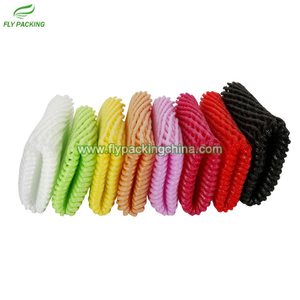
During the transport, foam fruit sleeves conform to the shape of the fruit, thereby reducing damage. It also absorbs water and dirt. Foam fruit sleeves are also available in different sizes and colors. They can be used to wrap and protect fragile items such as fruit and chocolates. They are also useful as coasters.
In postharvest fruit supply chains, mechanical vibration is a significant cause of produce damage. It is important to understand the causes and implications of this vibration to improve fruit quality in transit. There are several factors that affect vibration intensity, including vehicle speed, road roughness, and the types of packaging materials used.
Foam net packages are more effective than paper-wrap packages at reducing vibration intensity in transit. Foam-coated persimmon fruits have a lower bruise rate than those that are not coated with foam. In addition, a foam-wrapped pear was found to have a higher protective impact than a paper-wrapped pear.
A foam fruit wrapper can also be used to protect the hands from hot drinks. This is especially important if the fruit is packaged in a box and the person has to hold it with their hands.
Adding a little foam netting to a fruit or vegetable package can be a great way to add visual appeal and protect your prized cargo from the elements. While there are many manufacturers of this stuff, not all of them are created equal.
The best part is that fruit foam netting is available in a wide range of sizes and colors. For instance, you can find a foam netting made of food grade polyethylene in a size of 40mm. This is the perfect size for covering fruits and vegetables.
The netting might take up more space than your average fruit, but it is a lot easier to handle. This is because it is strong enough to stand up to the weight of your prized cargo.
You'll find that foam netting is not only effective at protecting your fruits and vegetables, it can also improve your product's shelf life.
The best part is that a foam netting of this caliber can be used over and over again. For instance, you can reuse the netting by adding a layer of cellophane paper to each hole. This will keep your food fresher for longer and prevent pests from invading your prized cargo. Using foam netting is one of the best ways to protect your prized possessions, but you'll need to make sure you get the right kind of foam.

| | 1/F, NO.81, CHANGZHEN ROAD, SHUIKOU TOWN, KAIPING CITY, GUANGDONG, CHINA |
| | +86-0-136 3183 6942 / +86-0-134 2677 9895 +86-750-2280358 |
| |