Views: 8 Author: Site Editor Publish Time: 2025-05-05 Origin: Site
Foam net plastic is a versatile and cost-effective packaging material that has become essential in industries like agriculture. If you've purchased fruits or vegetables, you've likely encountered foam netting wrapping delicate items like apples or pears. But what makes foam net plastic so effective, and why is it the preferred choice for agricultural packaging?
This blog explores the uses of foam net plastic, with a focus on fruit EPE foam nets, and highlights how Fly Packing, a global leader in agricultural packaging materials, contributes to this industry.
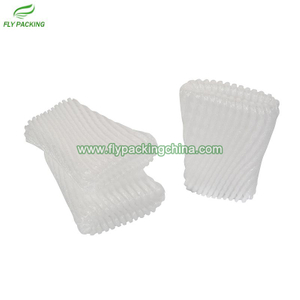
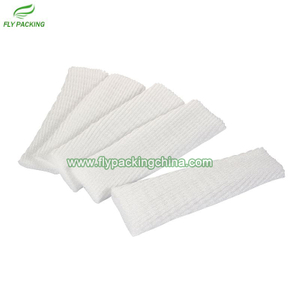
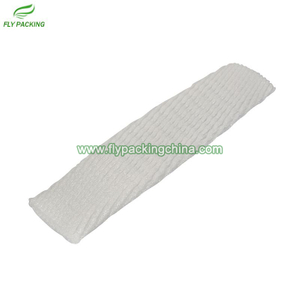
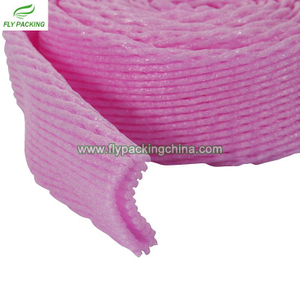
Foam net plastic refers to a lightweight, flexible, and protective material commonly used in packaging. It is typically manufactured from expanded polyethylene (EPE), a durable and shock-absorbent substance. The material is crafted into a net-like structure, offering an economical solution for safely transporting and storing fragile items.
· Lightweight: Adds minimal weight to overall packaging, making it cost-effective for shipping.
· Shock Absorbent: Protects delicate items like fruits and vegetables from physical damage during transport or handling.
· Flexibility: Easily wraps around irregularly shaped objects.
· Water-Resistant: Keeps items dry and protected from moisture.
· Reusable and Recyclable: An environmentally friendly option when proper recycling methods are followed.
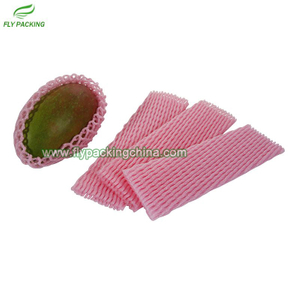
When it comes to protecting fresh produce, fruit EPE foam nets are a game-changer. These nets act as a buffer between delicate fruits and external impacts, reducing the likelihood of bruising or spoilage.
1. Enhanced Protection
Fruits like apples, peaches, and pears have delicate skins that are prone to damage. EPE foam nets cushion these fruits, reducing direct contact that could cause blemishes or bruises.
1. Breathability for Freshness
The net-like structure of foam net plastic allows air to circulate around the produce, keeping it fresh for longer periods. Unlike fully sealed packaging, which can trap moisture and lead to decay, EPE foam nets maintain an ideal environment for fresh items.
1. Flexibility for Diverse Produce
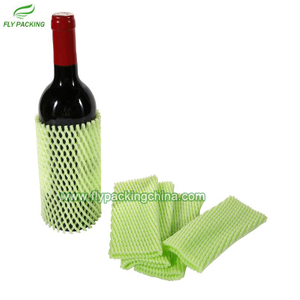
Whether used for round fruits like apples or elongated vegetables like cucumbers, EPE foam nets are highly adaptable. Their flexibility allows them to snugly fit around produce of varying shapes and sizes.
1. Visual Appeal for Retail
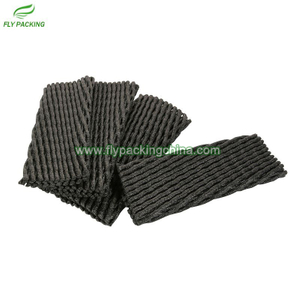
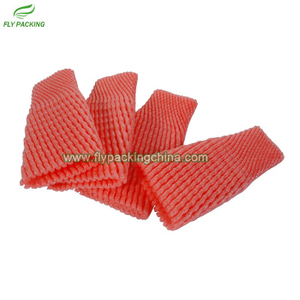
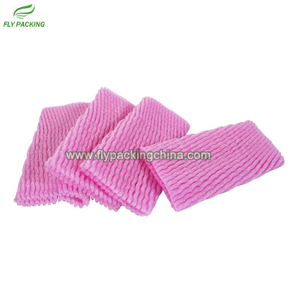
Fruits and vegetables often need to attract customers first visually. Foam net plastic is available in various colors, adding a premium appearance to the product while highlighting its freshness.
1. Eco-Friendly Options
With increasing demand for sustainable packaging, many EPE foam nets now feature recyclable or reusable designs. Farmers and retailers can reduce their environmental footprint by choosing eco-friendly foam net plastic.
· Agriculture: Used extensively for shipping and packaging fresh produce.
· Retail Grocery: Provides presentation-ready packaging in stores.
· Export Markets: Safeguards fruits and vegetables over long international transit times.
Fly Packing is a professional manufacturer and exporter of packaging materials tailored for the agricultural sector. With years of expertise, they specialize in delivering high-quality foam net plastic solutions, including fruit EPE foam nets, to global markets.

1. Custom Solutions
Fly Packing understands the unique needs of agricultural clients. Their foam net products are fully customizable to suit specific size, color, and density requirements.
1. Versatile Applications
From protecting delicate tomatoes to securing ornamental plants, Fly Packing’s foam net plastic innovations support a wide range of agricultural applications.
1. Global Reach
With a focus on fresh produce and vegetable packaging, Fly Packing serves clients across multiple countries. Their expertise ensures that agricultural goods reach their destinations intact and fresh.
1. Sustainability
Fly Packing is committed to incorporating sustainable materials and practices into their production. Offering eco-friendly foam net plastic solutions helps reduce environmental impact while maintaining exceptional product quality.
Fly Packing’s fruit EPE foam nets have been lauded for their durability, flexibility, and aesthetic appeal. Whether you’re a small-scale farmer or a large-scale exporter, partnering with Fly Packing guarantees top-tier packaging that protects your produce and maximizes shelf appeal.
The agricultural supply chain is a complex network involving harvesting, transportation, storage, and retail. Foam net plastic plays a critical role in maintaining the quality and freshness of produce throughout this process. Here's how:
1. Harvesting
Foam net plastic is used directly in the fields to wrap delicate items immediately after picking, preventing damage during collection.
1. Transportation
During transit, fruits and vegetables are exposed to significant jolts and movements. Foam net plastic acts as a protective cushion, reducing waste caused by damage.
1. Storage
Maintaining freshness during storage is crucial. The breathable nature of foam net plastic ensures fruits and vegetables stay fresh while avoiding excessive moisture buildup.
1. Retail
Attractive foam net plastic packaging appeals to customers while safeguarding produce until it reaches their hands.
With growing awareness of sustainable practices in agriculture, the future of foam net plastic is evolving. Companies like Fly Packing are spearheading efforts to create biodegradable and fully recyclable foam net materials without compromising quality. These innovations aim to strike a balance between sustainability and efficiency, offering new opportunities for farmers and retailers alike.
Future trends include:
· Increased use of compostable foam net plastics.
· Enhanced designs for better durability and flexibility.
· Broader accessibility to eco-friendly options for small-scale farmers.
Foam net plastic, especially fruit EPE foam nets, is integral to modern agricultural packaging. They provide unparalleled protection, freshness, and visual appeal for fruits and vegetables while streamlining global supply chains.
Fly Packing stands as a trusted partner for agricultural businesses seeking high-quality, customizable, and sustainable foam net solutions. Whether you're shipping produce across the country or preparing for local markets, Fly Packing has the expertise and products to meet your needs.
Interested in learning more or upgrading your packaging? Reach out to Fly Packing today and discover how their foam net plastic solutions can elevate your agricultural operations!

| | 1/F, NO.81, CHANGZHEN ROAD, SHUIKOU TOWN, KAIPING CITY, GUANGDONG, CHINA |
| | +86-0-136 3183 6942 / +86-0-134 2677 9895 +86-750-2280358 |
| |