Views: 5 Author: Site Editor Publish Time: 2025-11-24 Origin: Site
Fly fishing is an art that requires precision, patience, and the right gear. Every element, from the rod to the flies themselves, plays a crucial role in the experience. Anglers often spend significant time and money curating a collection of flies, each designed for specific conditions and fish. Protecting these delicate and valuable tools is paramount, which is where specialized packing solutions come into play.
While traditional fly boxes have served anglers for years, a more innovative solution is gaining popularity: the double layers foam net. This isn't your typical fishing net, but rather a specialized material used for securely packing and protecting fragile items, particularly flies. For anglers who travel or need to transport their gear safely, understanding the benefits of this material can make a significant difference.
This guide will explore what a double layers foam net is, why it's an excellent choice for fly packing, and how it compares to other storage options. By the end, you'll see why this versatile material is becoming an essential part of a fly fisher's toolkit.
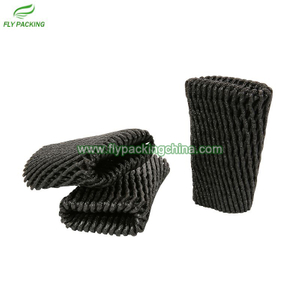
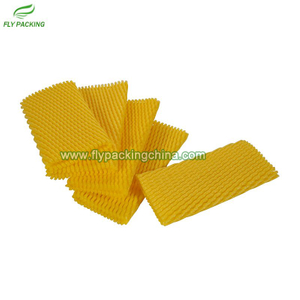
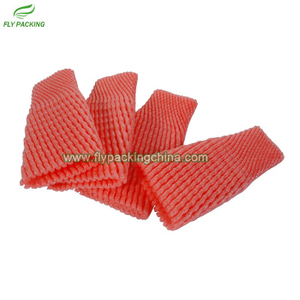
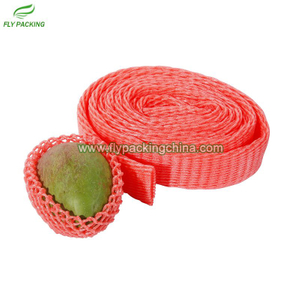
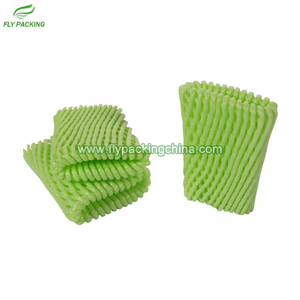
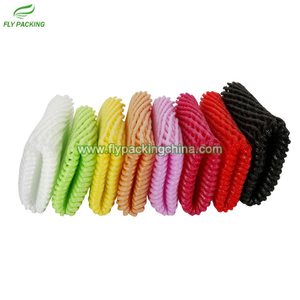
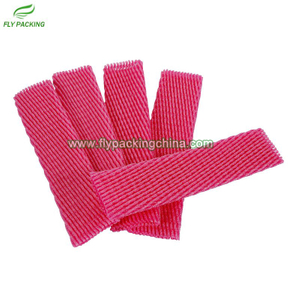
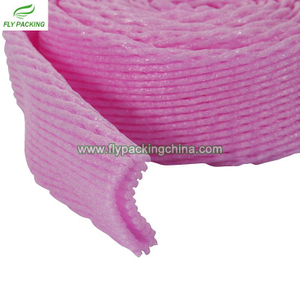
Before we get into its applications for fly packing, let's clarify what a double layers foam net is. You've likely seen similar materials used to protect fruit, glass bottles, or electronics during shipping. It's a lightweight, flexible mesh tubing made from expanded polyethylene (EPE) foam.
The "double layers" aspect is key to its effectiveness. This design creates a cushioned, web-like structure that offers superior shock absorption and protection compared to a single layer. The two interconnected layers work together to create a soft, yet resilient, sleeve that can stretch to accommodate items of various shapes and sizes while holding them securely. This structure provides 360-degree protection, safeguarding contents from bumps, drops, and vibrations.
While its primary industrial use is for packing and shipping fragile goods, these same properties make it an outstanding, if unconventional, solution for protecting delicate fishing flies.
Anyone who fly fishes knows that flies are both delicate and expensive. They are crafted from feathers, fur, and fine threads tied to a tiny, sharp hook. The intricate designs that make them effective at mimicking insects are also what make them incredibly fragile.
When transported, flies face several risks:
· Crushing: The delicate hackles and wings can be easily flattened or broken.
· Tangling: Multiple flies stored loosely can get tangled, damaging them and creating a frustrating mess to untangle.
· Hook Damage: Hooks can get bent or dulled if they bang against hard surfaces.
· Moisture Damage: If flies get wet and aren't dried properly, the materials can rot, and the hooks can rust.
Traditional fly boxes with compartments or slit foam inserts work well for organization, but they can still have drawbacks. Hard plastic boxes can cause damage from impact if not fully padded, and some foam inserts can lose their grip over time, allowing flies to come loose. This is where the unique properties of a double layers foam net offer a compelling alternative.
Using a double layers foam net to pack flies offers a unique combination of protection, breathability, and versatility that traditional methods might not match.

The primary benefit of a double layers foam net is its exceptional cushioning. The dual-layer construction creates a soft, impact-resistant barrier around each fly. When you place flies inside a container lined or filled with this netting, they are suspended in a web of soft foam. This prevents them from knocking against each other or the hard sides of a container during transit. The hackles, wings, and tails of your flies are protected from being crushed, bent, or broken, preserving their realistic appearance and effectiveness on the water.
Moisture is the enemy of a well-tied fly. If you have to pack your flies away while they are still slightly damp after a day of fishing, traditional sealed boxes can trap moisture, leading to rust and material degradation. The open-mesh design of the foam net allows for excellent air circulation. This breathability helps any residual moisture evaporate, keeping your flies dry and preventing the hooks from rusting. This is a significant advantage for anglers fishing in wet conditions or for those who need to pack up their gear quickly.
One of the biggest frustrations when transporting multiple flies is having them become a tangled mess of hooks and materials. Placing individual flies or small groups of flies within sections of the foam netting keeps them separated. The foam gently grips the flies, holding them in place and preventing the hooks from snagging on each other. This not only protects the flies but also saves you valuable time and frustration on the water.
Double layers foam netting is highly adaptable. It typically comes in a continuous sleeve that can be cut to any length. This means you can create custom-sized pockets or liners for any storage container you use.
· Line a Fly Box: Cut a piece of netting to fit inside the compartments of a traditional fly box to add extra cushioning.
· Create Fly Rolls: Cut a longer section and roll your flies inside it, securing the roll with a rubber band. This is a lightweight, compact option for a day pack.
· Fill a Large Case: Use loose pieces of the netting to fill a larger gear case, creating a protective nest for multiple fly boxes or larger streamer flies.
This flexibility allows you to create a storage system that perfectly fits your specific needs and the types of flies you carry.
To put the benefits of a double layers foam net into context, let's compare it to other common fly storage methods.
Feature | Double Layers Foam Net | Slit Foam Fly Box | Compartment Fly Box |
Cushioning | Excellent, 360-degree shock absorption. | Good, but can flatten hackles over time. | Poor, flies can rattle inside. |
Breathability | Excellent, open-mesh allows air to circulate. | Fair, depends on box design; foam can hold moisture. | Poor, usually sealed and can trap moisture. |
Organization | Moderate, keeps flies separate but less structured. | Excellent, holds individual flies securely in rows. | Good, separates flies into groups. |
Versatility | Excellent, can be cut to fit any container. | Limited to the box it's in. | Limited to the box's compartment sizes. |
Cost | Low, very affordable bulk material. | Moderate to High, depending on brand and quality. | Low to Moderate. |
Best For | Bulk transport, protecting delicate/large flies, DIY storage. | Everyday carry, organizing small to medium flies. | Organizing dry flies or different types of flies. |
As the table shows, while traditional boxes excel at organization, the double layers foam net offers superior protection and breathability, especially for bulk transport or for particularly delicate or large flies that don't fit well in standard foam slits.
Getting started with this packing method is simple and cost-effective.
1. Source the Material: You can find double layers foam netting online from packaging suppliers. It's often sold in long rolls, giving you plenty of material to experiment with.
2. Choose Your Container: Decide if you want to line an existing fly box or use a different container. Small, lightweight plastic or metal tins work well.
3. Cut the Netting: Cut the foam net to the desired length. For lining a box, cut a piece that fits snugly inside. To create individual pockets, cut shorter sections.
4. Insert Your Flies: Gently slide your flies into the netting. For tube-like sections, you can place one or two flies inside. For a liner, you can gently press the hooks into the foam mesh.
5. Pack and Go: Place your foam-protected flies into your gear bag or vest. You can be confident that they are well-protected from the rigors of travel.
Your collection of flies represents a significant investment of time and money. Protecting them effectively ensures they are ready to perform when you need them most. While traditional fly boxes remain a staple for good reason, incorporating a double layers foam net into your packing system offers an advanced level of protection.
Its superior cushioning, breathability, and versatility make it an invaluable material for any angler who travels with their gear or simply wants the best possible protection for their delicate flies. Give this simple and affordable solution a try; your flies will thank you for it.

| | 1/F, NO.81, CHANGZHEN ROAD, SHUIKOU TOWN, KAIPING CITY, GUANGDONG, CHINA |
| | +86-0-136 3183 6942 / +86-0-134 2677 9895 +86-750-2280358 |
| |