Views: 32 Author: Site Editor Publish Time: 2025-04-08 Origin: Site
When it comes to safeguarding fresh produce, effective packaging is vital. For suppliers aiming to deliver unblemished fruits to customers, polyethylene foam net fruit mesh is one of the best solutions available today. Combining durability, flexibility, and lightweight properties, these foam nets have become a hero in fruit packaging, especially in markets that demand premium-quality produce. But what exactly is polyethylene foam net fruit mesh, and why is it so widely used?
This article will explore the benefits of this innovative packaging material, its applications, and why manufacturers like Fly Packing are leading the way in providing high-quality solutions.
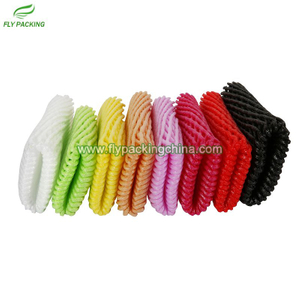
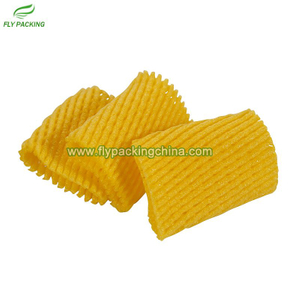
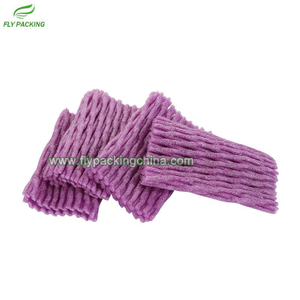
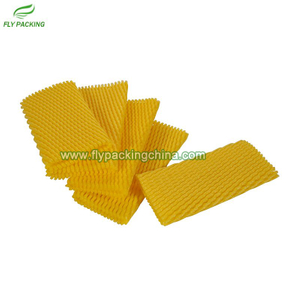
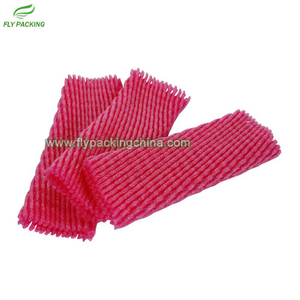
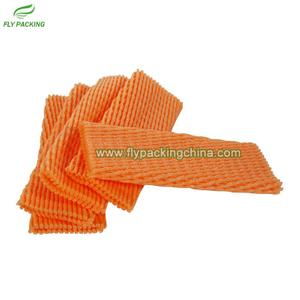
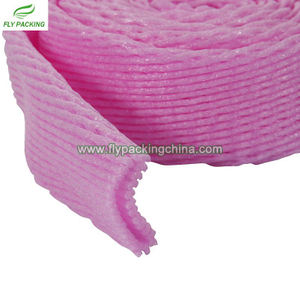
Polyethylene foam net fruit mesh is a protective packaging material designed specifically to protect fruits, vegetables, and other delicate items during transportation and storage. Made of polyethylene foam, this netting material provides a soft yet resilient cushion, ensuring that fruits remain free from bruising, scratching, or external damage.
Its design consists of interconnected foam cells, which create a net-like structure that is highly flexible and elastic. This adaptability makes it suitable for various fruit sizes and shapes, such as apples, peaches, guavas, and pears. The foam's lightweight nature also ensures packaging won't add unnecessary weight, reducing overall shipping costs.
The popularity of polyethylene foam net fruit mesh in global shipping and packaging circles isn’t a fluke. Here are the standout benefits that have captivated the food industry:
When fruits like apples or tomatoes are transported over long distances, they are vulnerable to scratches, dents, and bruises. Polyethylene foam net fruit mesh acts as a buffer, absorbing any external shock or pressure the produce may encounter.
These nets also provide ventilation, preventing moisture buildup and extending the shelf life of perishable fruits.
Shipping costs are largely influenced by weight. Polyethylene foam netting solves this issue with its extremely lightweight structure. With minimal added weight, businesses can keep operational costs low while still ensuring protection.
Furthermore, the material is highly durable, meaning it can be reused multiple times, cutting down costs associated with single-use packaging.
Although polyethylene is a form of plastic, advancements in manufacturing have led to the creation of recyclable and biodegradable versions of this foam. By choosing eco-friendly polyethylene foam nets, companies can take steps to reduce their environmental footprint.
Whether packaging round oranges or elongated bananas, the elasticity of foam mesh allows it to accommodate a wide range of fruit shapes and sizes. This flexibility makes it a go-to choice for farmers and exporters dealing with a variety of produce.

China is one of the leading producers of fruit foam mesh packaging, with manufacturers like Fly Packing setting themselves apart with high-quality products made for international distribution. Chinese manufacturers have mastered the art of producing foam nets that are both affordable and highly functional.
They specialize in bulk order fulfillment, ensuring that businesses of any scale—including small farms and large agricultural export companies—can access tailored solutions for their packaging needs.
Fly Packing, in particular, has become a benchmark in China’s foam net industry, providing consistent quality and customizable packaging options. Their products align with international standards, making them a preferred choice for businesses that require reliable, scalable solutions.
Polyethylene foam net fruit mesh isn’t exclusively used for fruits. Its versatility extends to industries beyond food, where delicate objects also require safeguarding during transportation. Here are a few common applications:
The most popular application of foam nets is, of course, for fruits and vegetables. Whether it’s apples, pears, avocados, or even fragile greens like lettuce, the foam mesh minimizes physical contact and prevents damage.
Foam nets are also used as bottle protectors for wine, glass containers, and fragile household goods. Their snug fit combined with shock-absorbing properties ensures that breakage is significantly reduced.
Businesses involved in e-commerce, especially those shipping items like cosmetics, electronics, and accessories, often use foam netting as an added layer of cushioning. It signifies to customers that their purchases are handled with care, enhancing trust and satisfaction.
With so many options in the market, Fly Packing has distinguished itself as a leader in China fruit foam net packaging by emphasizing quality and reliability. Here’s what makes Fly Packing a cut above the rest:
· Customizable Solutions
Fly Packing provides tailored foam nets that meet specific client requirements. Whether you’re an avocado farmer or a supermarket chain, Fly Packing has solutions for any scale.
· Durable and Eco-Friendly Packing Materials
Their commitment to providing sustainable, high-performance packaging materials ensures businesses can meet both market demands and environmental responsibilities.
· Competitive Pricing for Bulk Orders
Fly Packing offers premium-quality foam mesh packaging at highly competitive prices, making their products an economic choice for international buyers.
The global focus on reducing food waste has amplified the need for reliable packaging solutions like polyethylene foam net fruit mesh. Businesses that invest in high-quality packaging not only ensure the safety and longevity of their products but also elevate their brand reputation.
Whether you’re packaging peaches for local markets or exporting mangos across continents, polyethylene foam net fruit mesh is a smart, cost-effective solution. Its lightweight nature, durability, and superior protection make it a must-have for businesses that care about quality.
Fly Packing offers some of the best polyethylene foam nets on the market. Catering to small businesses and large-scale enterprises alike, they specialize in providing packaging solutions that protect, enhance, and impress.
Looking to secure your fruits with the best packaging option available? Contact Fly Packing now to explore their range of products and request a quote tailored to your needs.

| | 1/F, NO.81, CHANGZHEN ROAD, SHUIKOU TOWN, KAIPING CITY, GUANGDONG, CHINA |
| | +86-0-136 3183 6942 / +86-0-134 2677 9895 +86-750-2280358 |
| |