Views: 14 Author: Site Editor Publish Time: 2025-04-02 Origin: Site
When it comes to protecting fresh produce such as fruits and vegetables, the right packaging materials can make all the difference. Continuous Foam Netting Sleeves have become a staple solution in the agricultural and manufacturing industries due to their versatility and efficiency. If you’re curious about what these foam netting sleeves offer or why they’re the go-to choice for many businesses, you’re in the right place.
This article will explore the advantages of continuous foam netting sleeve, break down their unique variations like the foam net sleeve pocket and EPE fruit sleeve foam vegetable net, and help you understand why companies trust them for packaging fresh agricultural products.
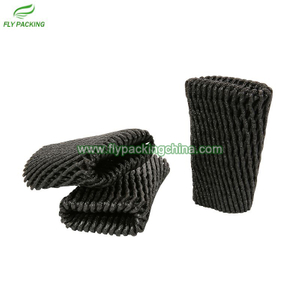
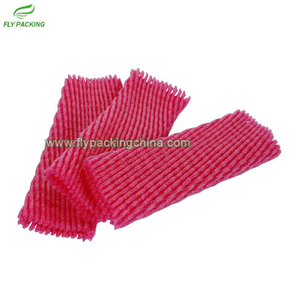
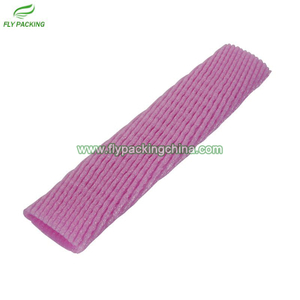
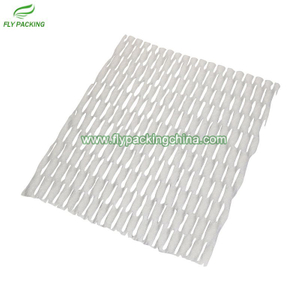
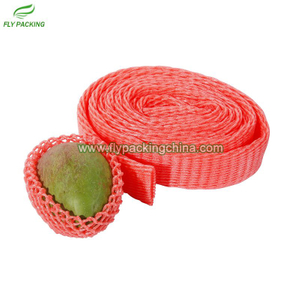
Continuous foam netting sleeves are lightweight, tube-shaped protective materials made from polyethylene foam (or similar materials). Their primary purpose is to provide cushioning and protection for delicate items like fruits, vegetables, and even glass or ceramic objects.
The “continuous” in their name refers to the unbroken, roll-style design, allowing users to easily cut the material to the desired length. These foam sleeves are particularly valued in the agricultural packaging industry, where they help maintain the quality and appearance of fresh produce during transportation.
Continuous foam netting sleeves offer numerous practical advantages. Whether you’re an agricultural business shipping delicate products or a retailer focused on quality, these foam sleeves cater to various needs.
1. Superior Cushioning
The foam structure protects fragile items from dents, scratches, and bruising. Fruits like apples, pears, and other easily damaged produce can safely endure long storage periods and transport times when wrapped in these sleeves.
2. Versatility
Because the sleeves come in a continuous roll, users can customize the length as needed. This makes them adaptable for various products, from large fruits like melons to smaller items such as tomatoes or avocados.
3. Moisture Resistance
Polyethylene foam used in these netting sleeves does not absorb water. This feature ensures the items remain safe from moisture-related damage, such as mold growth or spoilage, particularly useful in high-humidity environments.
4. Lightweight and Cost-Effective
Foam netting sleeves are extremely lightweight, reducing the overall weight of packaged produce, which leads to lower shipping costs. Their affordability also makes them a cost-effective packaging solution, particularly for small and mid-sized agricultural businesses.
5. Eco-Friendly Options
Some manufacturers, including Fly Packing, prioritize creating foam netting sleeves that are recyclable, ensuring businesses can reduce their environmental impact without compromising quality.
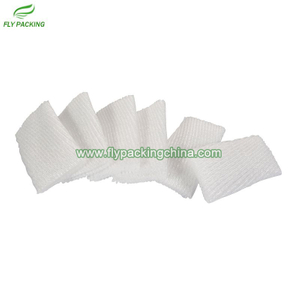
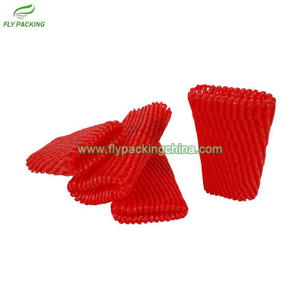
For businesses seeking even more convenience, the foam net sleeve pocket is an innovative variation. Unlike continuous foam sleeves, this design is pre-cut and shaped into individual pockets, offering a ready-to-use solution for packaging smaller items.
Ease of Use: Foam net sleeve pockets eliminate the need for cutting, making them a practical option for businesses managing high volumes of produce.
Precision: Each pocket is uniform in size and shape, ensuring consistency in packaging.
Applications: Foam net sleeve pockets are often used for smaller, delicate produce such as peaches, nectarines, or even cosmetic bottles.
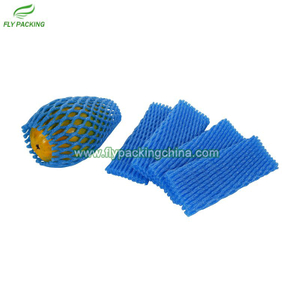
The EPE fruit sleeve foam vegetable net is another popular packaging option within the agriculture industry. Made from expanded polyethylene (EPE), this variation combines lightweight protection with durability for optimal performance.

Durability: The foam vegetable net offers exceptional tensile strength, ensuring it doesn’t tear easily during handling.
Flexibility: EPE nets are made with stretchable foam material, allowing them to snugly fit over a variety of shapes and sizes.
Breathability: The net’s open design enables airflow, keeping produce fresh for longer periods. This feature is especially useful for high-export fruits and vegetables that need extended shelf life.
Fruit Packaging: Often used for high-value fruits such as mangoes, papayas, and apples to protect them from surface damage during transit.
Vegetable Transport: For vegetables with a delicate skin or surface, like zucchinis or cucumbers, the net helps prevent bruising and maintains a polished look.
Non-Agricultural Use: Beyond fruits and vegetables, these nets are also employed in industries such as glassware and ceramics for secure packaging of fragile items.
Fly Packing is a professional manufacturer and exporter specializing in packaging materials for agriculture, particularly fresh fruits and vegetables. With expertise in producing continuous foam netting sleeves, foam net sleeve pockets, and EPE fruit sleeve foam vegetable nets, we ensure our customers receive packaging solutions that combine quality and sustainability.
By partnering with Fly Packing, you receive:
Expert Curation: Our team identifies the best packaging materials suited to your unique needs.
Customizable Solutions: Whether you need continuous rolls, pre-cut pockets, or special-sized nets, we’ve got you covered.
Quality You Can Count On: Every product is rigorously tested to ensure durability and reliability in real-world storage or shipping conditions.
We pride ourselves not only on supplying top-quality products but also on building long-term relationships with our clients.
Whether you’re shipping fresh produce or looking to enhance your product’s packaging, continuous foam netting sleeves and their variations play a critical role in ensuring damage-free transport and appealing presentation. These solutions are more than just practical; they’re an investment in maintaining the freshness and quality that your customers expect.
At Fly Packing, we understand the challenges of agricultural packaging and work hard to offer products that solve them effectively. Explore our range of foam netting sleeves today and discover how they can revolutionize your packaging process!
Contact Fly Packing for expert advice and innovative solutions tailored to your needs.

| | 1/F, NO.81, CHANGZHEN ROAD, SHUIKOU TOWN, KAIPING CITY, GUANGDONG, CHINA |
| | +86-0-136 3183 6942 / +86-0-134 2677 9895 +86-750-2280358 |
| |