Views: 14 Author: Site Editor Publish Time: 2024-08-20 Origin: Site
In the world of fruit cultivation and distribution, ensuring the protection and quality of produce is paramount. Enter the fruit foam sleeve, an invaluable tool designed to safeguard fruits from damage during transport and storage. This listicle will walk you through everything you need to know about fruit foam sleeves, from their benefits to practical implementation tips.
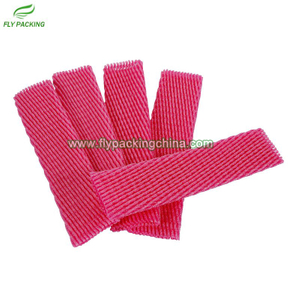
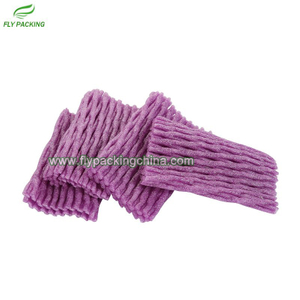
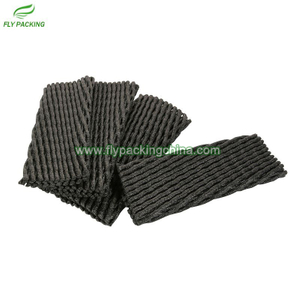
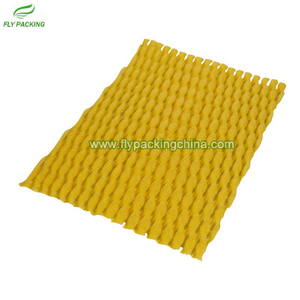
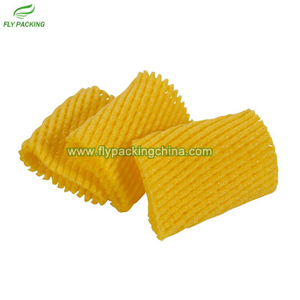
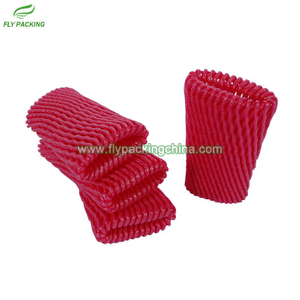
Fruit foam sleeves are protective covers made from lightweight, flexible, and durable foam materials. They are used to encase fruits individually, providing a cushioning barrier that protects against bruising and impact.
Using fruit foam sleeves can significantly reduce the amount of damaged produce, ensuring that fruits reach consumers in optimal condition. This not only minimizes waste but also enhances customer satisfaction and loyalty.
The primary benefit of fruit foam sleeves is their ability to protect fruits from physical damage such as bruises, cuts, and pressure marks. This is particularly important for delicate fruits like apples, pears, and peaches.
Fruit foam sleeves facilitate better air circulation around the fruit, reducing the risk of mold and rot. This is critical for maintaining freshness and extending shelf life.
Compared to other protective packaging methods, fruit foam sleeves are relatively inexpensive while offering robust protection. This makes them a cost-effective solution for both small-scale farmers and large distributors.
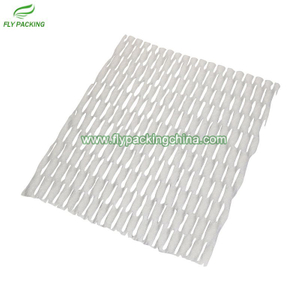
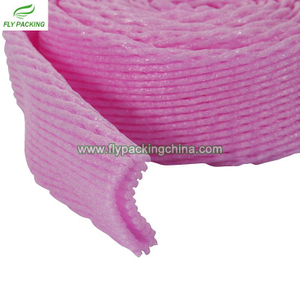
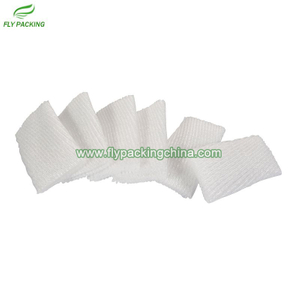
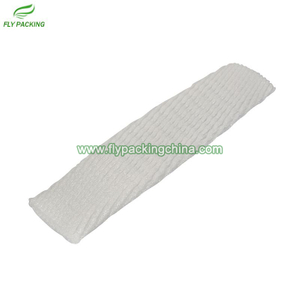
Net foam sleeves are made from expanded polyethylene (EPE) and have a net-like structure. They are flexible, allowing them to fit snugly around various fruit shapes and sizes.
Solid foam sleeves offer a more rigid structure and are often used for fruits that require additional protection. These are typically made from polyurethane or polystyrene foam.
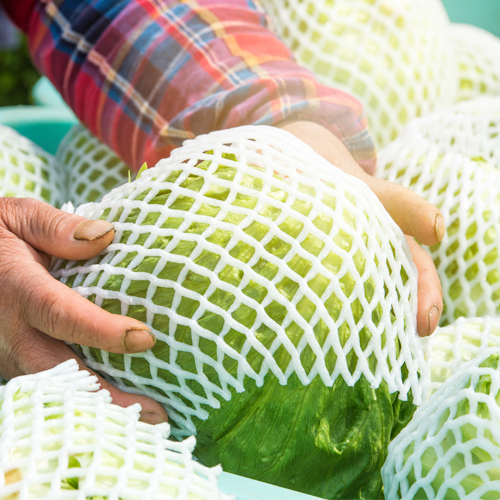
Ensure that the foam sleeve for fruit fits the fruit snugly without being too tight or too loose. A well-fitted sleeve provides optimal protection.
Carefully slip the foam sleeve over the fruit, ensuring that it covers the entire surface. Avoid forcing the sleeve onto the fruit, as this could cause damage.
Store sleeved fruits in a cool, dry place to maintain their freshness. Avoid stacking the fruits too high to prevent excessive pressure on the lower layers.
Many fruit foam sleeves are made from recyclable materials, which helps reduce their environmental footprint. Look for sleeves labeled as recyclable to make an eco-friendly choice.
Some foam sleeves can be reused multiple times if they remain in good condition. This reduces waste and offers additional cost savings.
An apple orchard in Washington State reported a 30% reduction in bruising and spoilage after implementing fruit foam sleeves. This led to higher customer satisfaction and increased sales.
Different fruits have varying protection needs. Choose foam sleeves that are specifically designed for the type of fruit you are packaging.
Ensure that the foam sleeves are made from high-quality materials. Poor-quality sleeves may not provide adequate protection and can degrade quickly.
Opt for foam sleeves made from recyclable or biodegradable materials to minimize environmental impact.
Fruit foam sleeves are an essential tool for anyone involved in the cultivation, distribution, or sale of fruits. By understanding their benefits and knowing how to use them effectively, you can protect your produce, reduce waste, and enhance customer satisfaction. Start implementing fruit foam sleeves in your packaging process today and see the difference they can make!
Ready to elevate your fruit packaging game? Explore our range of high-quality fruit foam sleeves and find the perfect fit for your needs.

| | 1/F, NO.81, CHANGZHEN ROAD, SHUIKOU TOWN, KAIPING CITY, GUANGDONG, CHINA |
| | +86-0-136 3183 6942 / +86-0-134 2677 9895 +86-750-2280358 |
| |