
Every piece of fruit that leaves a farm faces a journey it was never built for. Trucks jolt over uneven roads, pallets shift inside shipping containers, and temperature swings stress delicate skins long before a mango or a bottle of wine reaches a store shelf. A single bruise, crack, or scuff can tu

Fresh produce travels a long road before it reaches a grocery shelf or a dinner table. Along the way, bruising, compression, and surface scratches can turn a perfectly ripe piece of fruit into something no shopper wants to pick up. For growers, packers, and exporters, the margin between a saleable c

Fresh produce travels thousands of miles before it reaches a dinner table, and every mile adds risk. A single bruise on a mango or a hairline crack in a wine bottle can turn a profitable shipment into a loss. Packers, exporters, and growers have spent decades looking for materials that absorb shock

Mangoes are among the most bruise-prone fruits moved through global supply chains. Their thin skin and soft flesh mean even a light knock during loading or transport can leave a mark that shows up days later at the retail shelf. For growers and exporters, that kind of damage translates directly into

Bottles break for one simple reason: they move when they shouldn't. A wine bottle knocking against a crate wall, a glass jar rubbing its neighbor, a shipment jostled by hours of highway vibration—these small motions compound into cracks, scratches, and shattered stock by the time a package reaches i

Foam nets protect fresh produce from bruising, scratching, and impact damage during transit. Single-layer options suit lighter fruits, while double-layer designs add extra cushioning for heavier or more delicate produce. Sourcing from a specialized manufacturer ensures consistent quality, reliable s

Long-distance freight puts constant pressure on delicate cargo. Vibration, stacking loads, and shifting weight cause most damage—not dramatic accidents, but slow, grinding contact over hundreds of miles. For growers, packers, and exporters, that damage eats directly into profit margins.Foam mesh sle

Bottles break for one simple reason: they move when they shouldn't. A wine bottle knocking against a crate wall, a glass jar rubbing its neighbor, a perfume flacon vibrating loose during a long haul—these small motions add up to cracks, scratches, and shattered goods by the time a package arrives.Fo
Views: 15 Author: Site Editor Publish Time: 2024-07-23 Origin: Site
Fruits are delicate treasures from nature, and ensuring they reach our tables unscathed is no small feat. That's where fruit foam net cover come into play. These humble yet highly efficient guardians of our produce have quietly revolutionized the way we transport and store fruits like mangoes and apples. If you've ever wondered about the colorful, spongy wrappings around your favorite fruits, this blog is your ultimate guide.
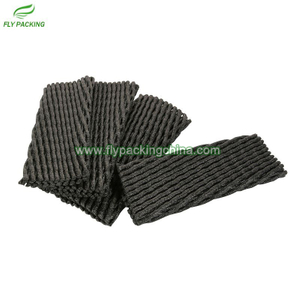
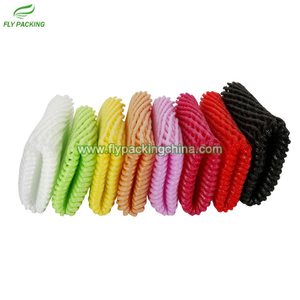
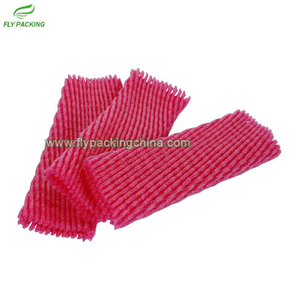
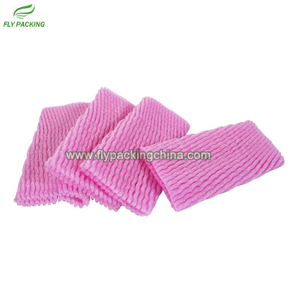
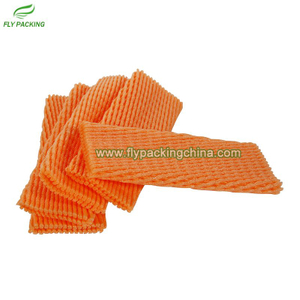
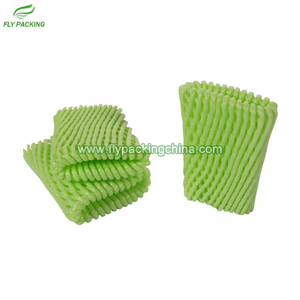
Fruit foam nets are specially designed protective covers that shield fruits from damage during transportation and storage. Made from lightweight, flexible foam material, these nets absorb shocks and provide a cushioning layer that prevents bruising and other forms of damage. The primary purpose is to maintain the quality and appearance of the fruit, ensuring it arrives in perfect condition.
In a world where first impressions matter, the appearance of your fruit can significantly impact its marketability. Bruised or damaged fruits are less likely to attract buyers, leading to potential financial losses for producers and retailers. By using fruit foam nets, businesses can ensure that their products remain visually appealing, thereby boosting sales and customer satisfaction.
While foam nets are incredibly effective, it's essential to consider their environmental impact. Fortunately, many manufacturers are now producing biodegradable and recyclable foam nets, making them a more sustainable choice. This shift towards eco-friendly options is crucial in reducing plastic waste and promoting a greener planet.
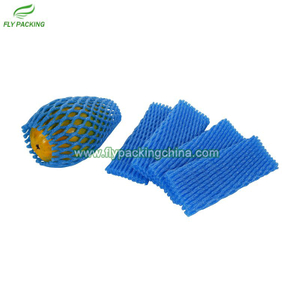
A foam net sleeve is a tubular-shaped protective cover that easily slips over fruits of various shapes and sizes. These sleeves are versatile, providing excellent protection for a wide range of produce, from small citrus fruits to larger items like melons.
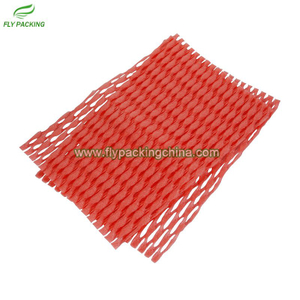
Foam net sleeves are designed with a honeycomb structure that allows for flexibility and breathability. This design ensures that the fruit can still 'breathe', preventing the buildup of moisture that can lead to mold and spoilage. The elasticity of the foam allows it to conform snugly to the fruit, providing a secure fit that keeps the produce safe.
For retailers, foam net sleeves offer a practical solution for fruit protection. They are easy to apply and remove, saving time during the packing and unpacking process. Additionally, the protective layer helps extend the shelf life of the fruit, reducing waste and increasing profitability.
From a consumer's perspective, seeing fruit wrapped in foam net sleeves can be reassuring. It indicates that the produce has been handled with care, which can enhance the perceived value of the product. This attention to detail can foster customer loyalty and trust in the brand.
Mangoes are known for their juicy, succulent flesh and are a favorite among fruit lovers worldwide. However, they are also delicate and prone to bruising. Mango foam nets are specifically designed to protect these tropical delights.
Mango foam nets are crafted to fit the unique shape and size of mangoes. This tailored fit ensures that the fruit is cushioned from all angles, minimizing the risk of damage during transit. The netting also provides ventilation, which is crucial for maintaining the fruit's freshness.
During mango season, the demand for protective packaging skyrockets. Using mango foam net can help farmers and distributors manage this increased demand more efficiently. The nets make it easier to pack large quantities of mangoes quickly without compromising on protection.
By using mango foam nets, sellers can ensure that their mangoes reach the market in pristine condition. This not only enhances the fruit's visual appeal but also allows sellers to command higher prices. High-quality presentation is key in a competitive market, and mango foam nets provide that edge.
Apples are another popular fruit that benefits immensely from the use of foam nets. Known for their crisp texture and appealing appearance, apples need protection to maintain their quality from orchard to table.
Apple foam nets are designed to fit snugly around each apple, providing individual protection. This custom fit ensures that each fruit is shielded from impacts that could cause bruising or other damage. The nets are available in various sizes to accommodate different apple varieties.
One of the significant advantages of using apple foam nets is their ability to facilitate better storage. The nets help prevent apples from knocking against each other, reducing the risk of bruising. This is especially important during long-term storage, where even slight damage can lead to spoilage.
By providing a protective barrier, apple foam nets help extend the shelf life of the fruit. This is beneficial not only for retailers but also for consumers, who can enjoy fresher apples for longer periods. The added protection ensures that apples remain in top condition until they are ready to be consumed.
Fruit Foam Net

| | 1/F, NO.81, CHANGZHEN ROAD, SHUIKOU TOWN, KAIPING CITY, GUANGDONG, CHINA |
| | +86-0-136 3183 6942 / +86-0-134 2677 9895 +86-750-2280358 |
| |