Views: 18 Author: Site Editor Publish Time: 2026-05-19 Origin: Site
Every year, agricultural businesses lose massive amounts of revenue due to damaged fresh produce. Fruits easily suffer from bumps, bruises, and cracks during transit. This transit damage represents a severe drain on profits for growers, distributors, and retailers alike. A single ruined shipment easily leads to lost revenue and unhappy buyers.
Finding a lightweight yet highly effective protective layer is essential for keeping produce safe along the supply chain. Proper packaging saves businesses significant money on returns and wasted goods. It also ensures that consumers receive the high-quality, unblemished fruits they expect at the grocery store.
A fruit packing foam net offers a simple, cost-effective solution to this massive industry problem. By wrapping delicate items in protective layers, sellers can drastically reduce the rate of spoilage. This guide explores the different types of protective packaging available, including foam net sleeves and grape fruit bags, to help you safeguard your harvest.
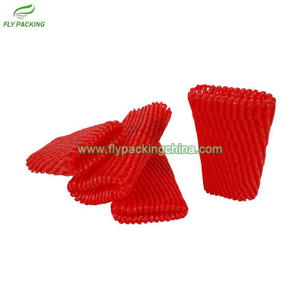
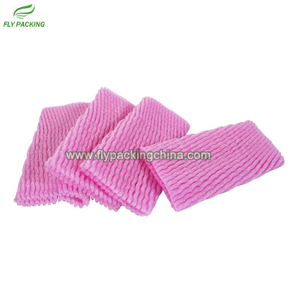
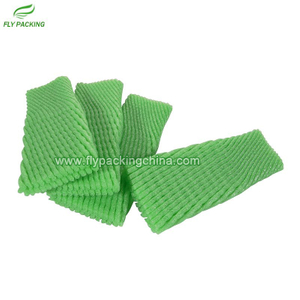
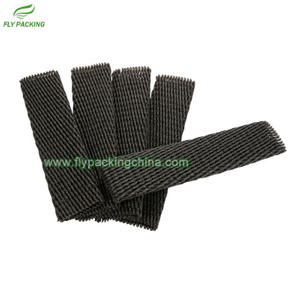
Fruit netting is a specialized packaging material designed to absorb shocks and prevent surface damage. Made primarily from expanded polyethylene (EPE), this material is soft, flexible, and surprisingly durable. It acts as a cushion between individual fruits and the hard sides of shipping crates.
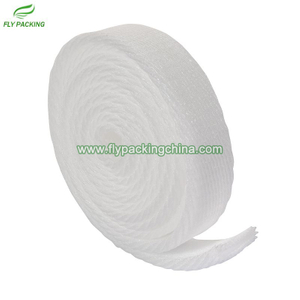
Growers utilize fruit netting for a wide variety of crops. Apples, pears, and peaches particularly benefit from this added layer of security. Because the material expands, a single size of netting can accommodate several different fruit dimensions. This flexibility makes it an incredibly popular choice for packinghouses looking to streamline their operations.
Beyond physical protection, the open mesh design of fruit netting allows for excellent airflow. Proper ventilation is critical for fresh produce, as trapped moisture accelerates the ripening and rotting processes. The breathable structure ensures that fruits stay fresh and dry during long journeys across the country or overseas.

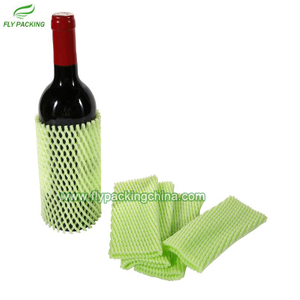
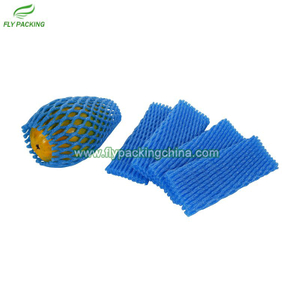
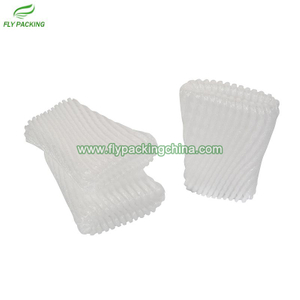
While standard netting covers the basics, a foam net sleeve provides targeted, snug protection for individual items. These sleeves are tubular pieces of foam mesh cut to specific lengths. Workers simply slide the sleeve over a piece of fruit, creating an instant, custom-fit bumper.
You will often see a foam net sleeve used for delicate, high-value produce like mangoes, papayas, and large Asian pears. These fruits have thin skin that bruises under the slightest pressure. The sleeve hugs the contours of the fruit, preventing it from rubbing against its neighbors in the box.
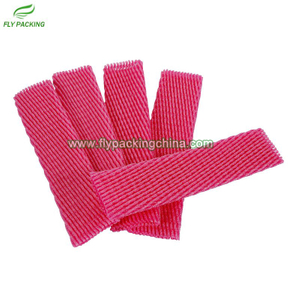
Foam net sleeves come in various thicknesses, including single-layer and double-layer options. Single-layer sleeves offer great everyday protection for standard shipping routes. Double-layer foam nets provide heavy-duty cushioning for extremely fragile items or particularly rough transit conditions.
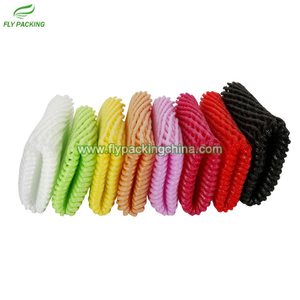
Foam net sleeves do more than just prevent physical damage. They also enhance the visual appeal of the produce on retail displays. A bright white or brightly colored foam net contrasts beautifully with the natural skin of the fruit, drawing the customer's eye and elevating the perceived value of the product.
Furthermore, many modern EPE foam products are 100% recyclable. Packers can communicate this to retailers, encouraging responsible disposal and recycling programs. Choosing lightweight foam also reduces the overall shipping weight of a pallet. This slightly lowers transportation costs and cuts down on the fuel consumption required to move the goods.
Grapes require a completely different approach to packaging than apples or mangoes. Because they grow in delicate clusters, you cannot wrap them in individual foam sleeves. Instead, the industry relies on the grape fruit bag to keep these berries safe.
A grape fruit bag can take several forms, including vented liner bags, stand-up pouch bags, and fruit protection paper bags. Stand-up poly bags with ventilation holes are extremely popular in grocery stores. They allow consumers to easily inspect the grapes while keeping the cluster contained and protected from direct handling.
During the growing phase, farmers also use grape protection bags directly on the vine. These paper bags shield the growing fruit from insects, birds, and harsh weather conditions. Once harvested, placing the clusters into proper retail packaging ensures they maintain their quality all the way to the consumer's kitchen table.
To help you choose the right packaging for your specific crops, review the table below. It outlines the primary uses and benefits of the different protective materials available on the market.
Packaging Type | Primary Materials | Best Used For | Key Benefits |
|---|---|---|---|
Fruit Netting (Rolls) | EPE Foam | Apples, pears, peaches | Flexible sizing, excellent airflow, economical |
Foam Net Sleeve | EPE Foam (Single/Double layer) | Mangoes, papayas, melons | Snug fit, high shock absorption, visual appeal |
Grape Fruit Bag | Paper, Polyethylene | Grapes, small cluster fruits | Contains loose berries, protects from pests, easy retail display |
Protecting your fresh produce is one of the most important investments you can make for your agricultural business. The right packaging drastically reduces transit damage, keeps your buyers happy, and ultimately protects your profit margins. Implementing specialized materials ensures your fruits look just as good in the store as they did on the farm.
If you are looking to upgrade your packaging strategy, partnering with a reliable manufacturer is the best next step. Fly Packing Co., Limited is a professional manufacturer and exporter of packing materials for agriculture, specializing in high-quality fruit netting, foam net sleeves, and grape bags. Visit www.flypackingchina.com to browse their full catalog, request free samples, and discover how their protective solutions can safeguard your next shipment.

| | 1/F, NO.81, CHANGZHEN ROAD, SHUIKOU TOWN, KAIPING CITY, GUANGDONG, CHINA |
| | +86-0-136 3183 6942 / +86-0-134 2677 9895 +86-750-2280358 |
| |