Views: 9 Author: Site Editor Publish Time: 2026-05-26 Origin: Site
Every year, businesses lose massive amounts of revenue due to damaged shipments. Fruits easily suffer from bumps and bruises during transit, while delicate items like glass bottles and ceramics are prone to shattering. This transit damage represents a severe drain on profits for growers, distributors, and retailers alike. A single ruined shipment can easily lead to lost revenue and unhappy customers.
Packaging fragile items requires the right materials to prevent damage along the supply chain. Finding a lightweight yet highly effective protective layer can save businesses significant money on returns and replacements. The goal is to secure goods tightly without adding excessive weight to the freight.
This guide explores how specialized packaging materials protect your products from physical impact. You will learn the specific advantages of sourcing these materials internationally, how to identify a trustworthy production partner, and the exact steps to optimize your supply chain.
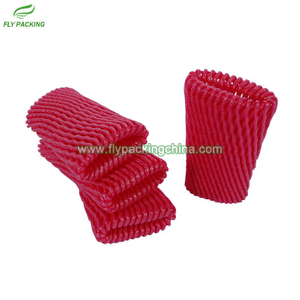
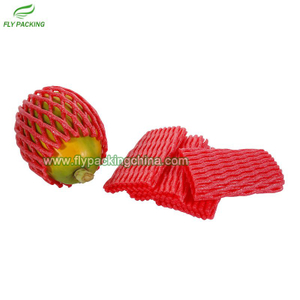
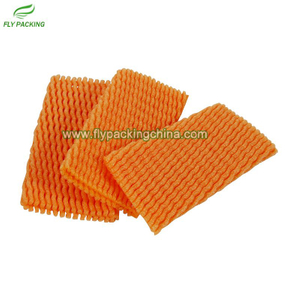
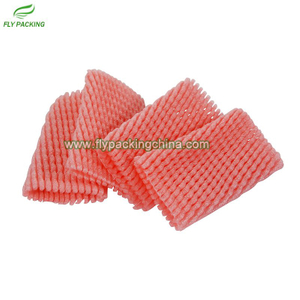
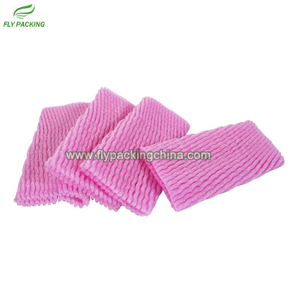
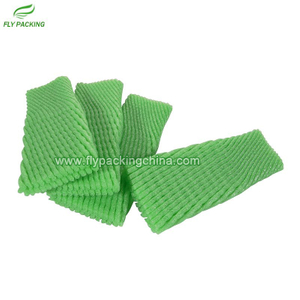
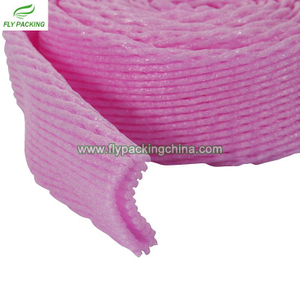
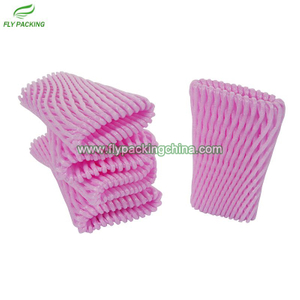
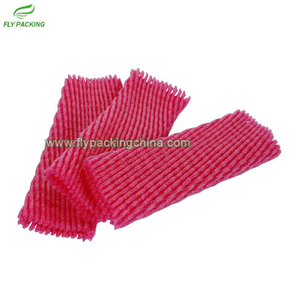
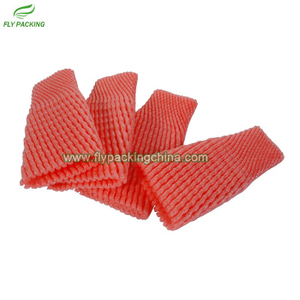
A foam cushion is a specialized packaging product designed to absorb shock and prevent surface damage during transportation. Made typically from expanded polyethylene, this material forms a soft, flexible barrier around fragile items. When a box experiences a sudden drop or vibration, the cellular structure of the foam compresses to absorb the kinetic energy, keeping the product inside perfectly intact.
Agricultural businesses rely heavily on these cushions to protect fresh produce like apples, mangoes, and papayas. The soft netting prevents the skin of the fruit from bruising when stacked in large crates. Similarly, manufacturers of wine and spirits use them to keep glass bottles from clinking together and breaking.
Choose a foam cushion if superior shock absorption matters more than absolute space minimization. While flat paper wraps take up less room, they simply cannot provide the same level of impact resistance as a dedicated cellular foam structure.

Sourcing a China foam cushion offers distinct advantages for companies needing high-volume packaging solutions. China has established a robust manufacturing infrastructure that allows factories to produce vast quantities of packaging materials quickly and efficiently. This scale reduces the overall cost per unit, allowing businesses to allocate funds to other areas of their operations.
Manufacturers in regions like Guangdong have spent decades refining their production and export processes. For instance, Kaiping Feiliyang Packing Materials Co., Ltd. (also known as Fly Packing) has been operating since 2002. They have developed special packing methods to fit a higher quantity of foam nets and cushions into shipping containers. This specific approach directly reduces freight costs for international buyers.
Here is a quick comparison showing why sourcing internationally often makes more sense for bulk buyers:
Feature | Standard Local Alternative | |
|---|---|---|
Production Scale | High capacity for massive bulk orders | Often limited by smaller facility sizes |
Customization | Extensive options for size, color, and density | Standardized sizes with limited variation |
Shipping Efficiency | Specialized compression packing for containers | Standard palletizing with higher shipping volume |
Cost Efficiency | Highly competitive due to raw material access | Higher domestic labor and material expenses |
Finding the right foam cushion manufacturer requires careful evaluation of their operational history and customer service capabilities. You want a partner who understands the complexities of international trade and can deliver consistent quality on a strict schedule.
First, look for a manufacturer with wealthy professional export experience. Companies that regularly ship globally understand customs requirements and can offer comprehensive to-door delivery services. Fly Packing, located in Kaiping City, Guangdong, guarantees replies to inquiries in English within 12 hours. This level of communication prevents delays and keeps your supply chain moving smoothly.
Second, always request product samples before placing a massive bulk order. A reputable manufacturer will gladly provide free samples of their foam cushions, double layers foam nets, or backer rods. This allows your quality control team to test the exact density and stretch of the material. Test the samples directly on your actual products to ensure a snug fit. If the manufacturer hesitates to send physical samples, view that as a major warning sign and look for another supplier.
The price depends heavily on the size, thickness, and order volume. Purchasing in bulk directly from a Chinese factory significantly lowers the per-unit price, often costing just fractions of a cent per piece.
A professional factory generally maintains a quick and stable delivery time. While production might only take one to two weeks, international sea freight can add three to six weeks depending on your location. Always plan your inventory needs at least two months in advance.
Low-quality foam lacks the proper elasticity and cellular density to absorb impacts. The primary risk is that the material will tear during packing or compress entirely during transit, leading to bruised fruit, broken glass, and high replacement costs.
Common alternatives include bubble wrap, molded pulp trays, and corrugated cardboard dividers. Choose molded pulp if eco-friendly disposal is your strict priority, but rely on foam netting if you need a flexible wrap that conforms perfectly to oddly shaped items like papayas or wine bottles.
It is best for agricultural exporters handling delicate fruits, wineries shipping glass bottles, and electronics distributors moving sensitive components. It serves any business that ships fragile items in high volumes and needs reliable, lightweight impact protection.
Upgrading your shipping materials is a vital step toward protecting your products and preserving your profit margins. Taking the time to evaluate your current transit damage rates will quickly reveal if your packaging strategy needs an overhaul. Reach out to a verified supplier to discuss your specific product dimensions and request a physical sample. Testing the material firsthand is the only true way to verify its protective capabilities.
Quick answer: A foam cushion is an essential protective packaging material made of cellular polyethylene that prevents transit damage by absorbing shock. Sourcing a China foam cushion from an experienced foam cushion manufacturer like Fly Packing provides high-quality, cost-effective protection for fragile goods, ensuring safe delivery and reducing your overall supply chain expenses.

| | 1/F, NO.81, CHANGZHEN ROAD, SHUIKOU TOWN, KAIPING CITY, GUANGDONG, CHINA |
| | +86-0-136 3183 6942 / +86-0-134 2677 9895 +86-750-2280358 |
| |