Views: 7 Author: Site Editor Publish Time: 2025-05-09 Origin: Site
When it comes to packaging delicate items, ensuring their safety during transportation is crucial. One of the unsung heroes in the packaging industry is the foam sleeve net. This innovative solution has gained popularity across industries for its protective capabilities and versatility. But what exactly is a foam sleeve net, and why should you consider using it? This blog explores everything you need to know about foam sleeve nets, their benefits, and how companies like Fly Packing have revolutionized their use.
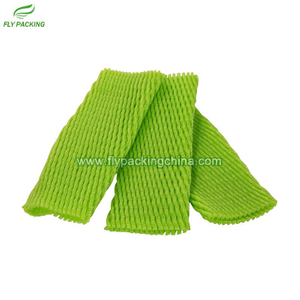
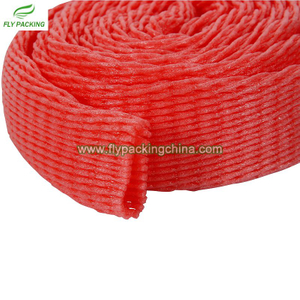
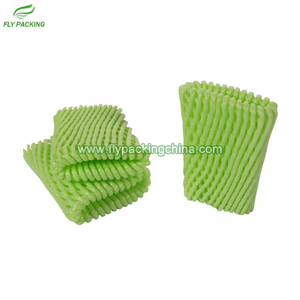
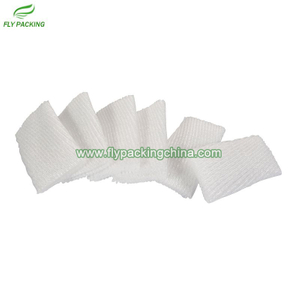
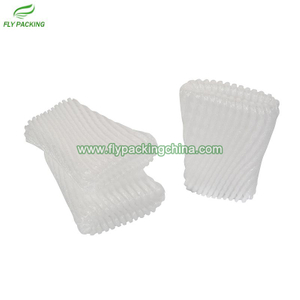
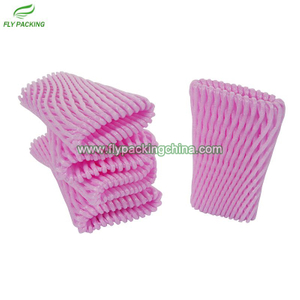
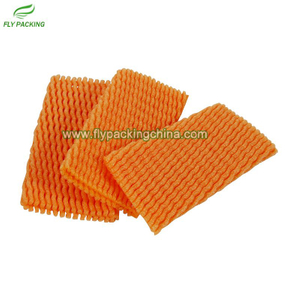
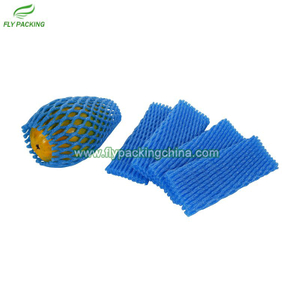
A foam sleeve net is a lightweight and flexible protective covering designed to safeguard fragile items. Made from expanded polyethylene (EPE) foam material, these nets are often cylindrical, making them perfect for wrapping around products to prevent scratches, dents, or breakage during handling or shipment.
They are commonly used for items such as:
· Glass and ceramics (e.g., bottles, jars, glassware)
· Fruit and vegetables (e.g., apples, pears, and avocados)
· Industrial equipment (e.g., bearings, mechanical components)
· Household items (e.g., vases, ornaments)
Foam sleeve nets are prized for their ability to cushion items while allowing enough breathability, especially useful for perishable items like fruits.
The material composition and structure of foam sleeve nets are what give them their edge in the packaging world. Expanded polyethylene (EPE) foam is not only durable but also highly flexible. The net-like design adds stretchability, allowing the sleeve to fit snugly around irregularly shaped or uniquely sized products. This combination of material and structure ensures robust protection while keeping the packaging lightweight.
When it comes to shipping, handling, and storage, a foam sleeve net is a game-changer. Here’s why this packaging solution is highly recommended:
Foam sleeve nets act as a cushioning layer around delicate items, reducing the likelihood of damage. Whether it’s preventing surface abrasions on glass bottles or absorbing minor impacts during transit, these nets take packaging protection to the next level.
Foam sleeve nets are suitable for a wide range of products, from small, delicate glass ornaments to larger mechanical components. Their flexible design makes them adaptable to items of different shapes and sizes. Additionally, their use is not limited to industrial applications; they are also widely used in food packaging, especially for soft, perishable fruits.
Many foam sleeve nets are made from recyclable materials, making them an eco-conscious choice. For businesses focusing on sustainability and reducing environmental impact, this is an excellent packaging option.
The netted foam design allows for airflow, which is crucial when packaging fresh produce. This breathability helps prevent moisture buildup, extending the shelf life of items like fruits and vegetables.
Foam sleeve nets are incredibly lightweight, making them an ideal solution for industries where shipping weight directly impacts costs. By minimizing the extra weight added to shipments, businesses can reduce transportation costs without compromising on product protection.
Compared to more elaborate custom packaging solutions, foam sleeve nets are a relatively inexpensive option. Their simplicity and efficiency make them an economical choice for businesses of all sizes.
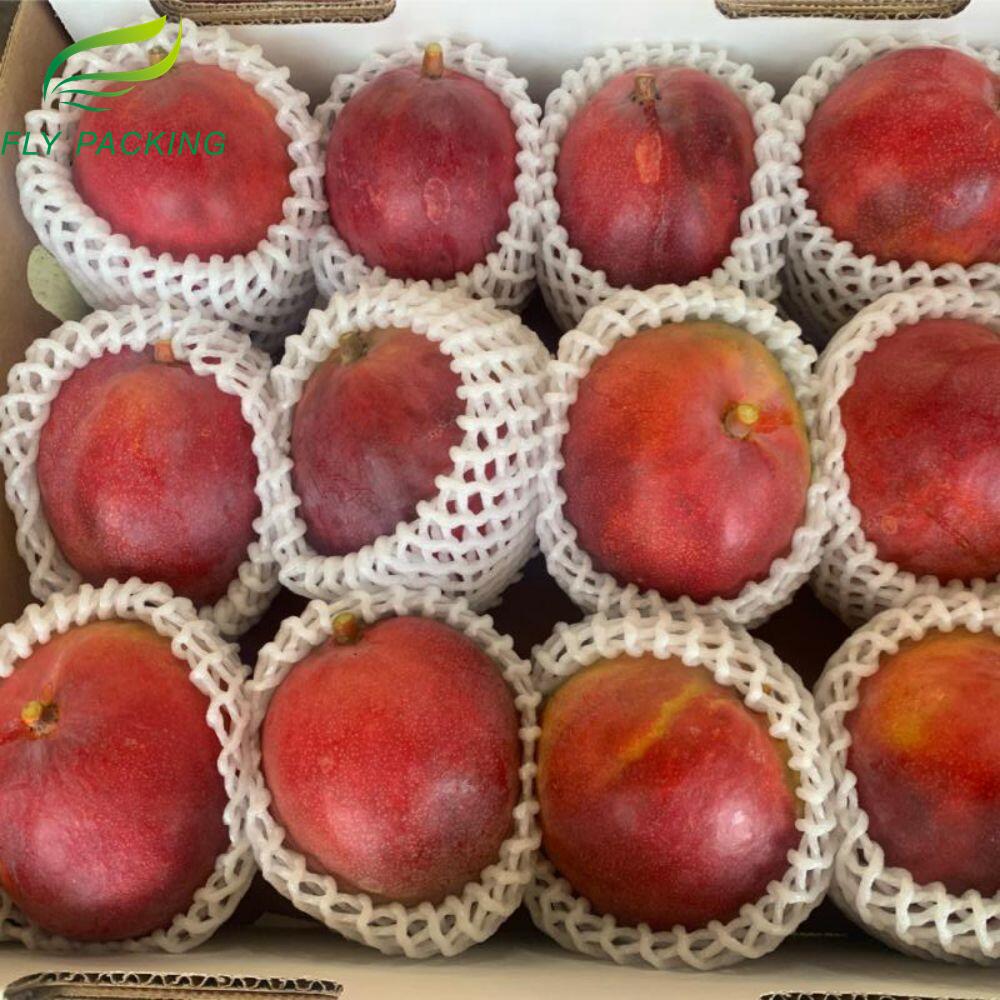
The versatility of foam sleeve nets has led to their adoption across several industries. Below are some examples:
Farmers and wholesalers frequently use foam sleeve nets to protect fruits and vegetables during transport. Items like apples, peaches, pears, and even avocados are wrapped in foam sleeve nets to prevent bruising and damage. Additionally, the breathable nature of the net helps maintain freshness.
Glass bottles, jars, and decorative ceramic items are naturally fragile. Foam sleeve nets provide the extra cushioning they need to prevent cracks, scratches, or shattering during handling or delivery.
Mechanical parts, bearings, and other industrial components require secure packaging to maintain functionality. Foam sleeve nets safeguard these items from impact-related damage or scratches, ensuring they arrive in pristine condition.
Home decor items, such as vases, figurines, and ornaments, are commonly packaged with foam sleeve nets. Their adaptability ensures that even intricately designed items are well-protected.
When it comes to sourcing premium-quality foam sleeve nets, Fly Packing stands out in the industry. With years of experience and a commitment to innovative packaging solutions, Fly Packing offers a range of foam sleeve nets tailored to meet diverse customer needs.
· Customizable Sizes: Whether your items are large, small, or irregularly shaped, Fly Packing offers foam sleeve nets in the size you need.
· Durable Materials: Their foam sleeve nets are made from high-quality EPE foam, ensuring excellent durability and protection.
· Varied Applications: Fly Packing caters to a wide spectrum of industries, from agriculture to home decor and industrial manufacturing.
Fly Packing has built a reputation for providing reliable and cost-effective packaging solutions. Their extensive product range, coupled with their dedication to customer satisfaction, makes them a go-to choice for businesses seeking foam sleeve nets and other packaging materials.
Looking to enhance your packaging strategy with foam sleeve nets? Here are some tips to get started:
1. Assess Your Needs
Identify what items need additional protection during transportation or storage and determine the appropriate sizes for your foam sleeve nets.
1. Source Reliable Suppliers
Partner with trusted providers like Fly Packing to ensure you receive quality materials suited to your requirements.
1. Adopt Eco-Friendly Practices
Consider using recyclable foam sleeve nets to align with sustainability goals and reduce environmental impact.
1. Train Your Team
Educate your team on how to use foam sleeve nets effectively to maximize their protective capabilities.
Foam sleeve nets are an indispensable packaging solution for businesses handling fragile items. Their protective properties, versatility, and cost-efficiency make them a top choice across multiple industries. Whether you’re packaging delicate glassware or perishable produce, foam sleeve nets ensure your items reach their destination in perfect condition.
For businesses looking to incorporate foam sleeve nets into their operations, Fly Packing offers a comprehensive range of customizable options to meet your needs. Protect your products, save on costs, and enhance your packaging strategy by switching to foam sleeve nets today.

| | 1/F, NO.81, CHANGZHEN ROAD, SHUIKOU TOWN, KAIPING CITY, GUANGDONG, CHINA |
| | +86-0-136 3183 6942 / +86-0-134 2677 9895 +86-750-2280358 |
| |