Views: 14 Author: Site Editor Publish Time: 2025-05-23 Origin: Site
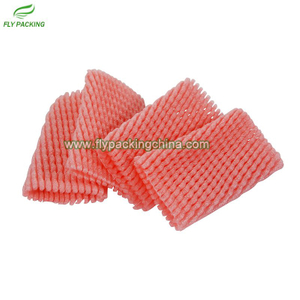
Foam sleeves protective netting is one of the most versatile and practical materials used in packaging and product protection today. Whether you’re shipping fragile items, packing goods for storage, or safeguarding your products during transit, foam sleeves protective netting provides unmatched benefits in terms of cushioning, flexibility, and durability.
This guide explores everything you need to know about foam sleeves protective netting. From its key features to its common applications, we’ll show you why businesses across industries are increasingly turning to this practical packaging solution.
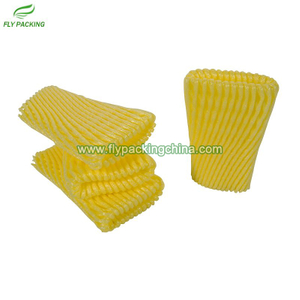
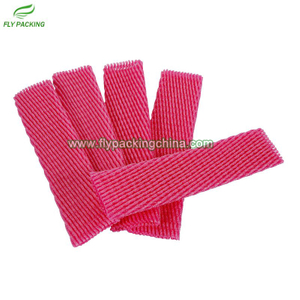
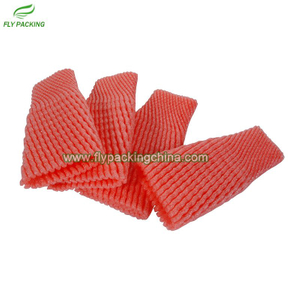
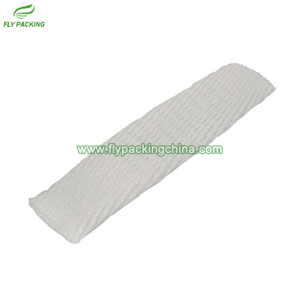
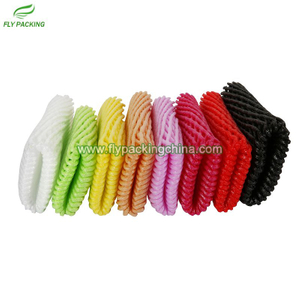
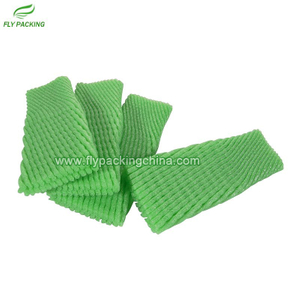
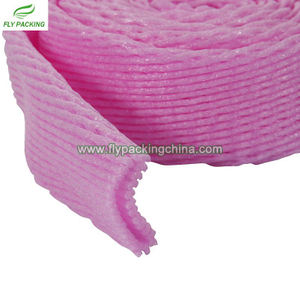
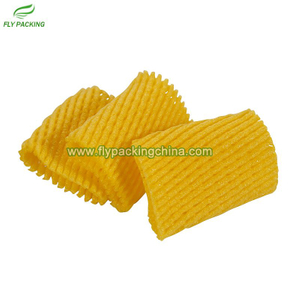
Simply put, foam sleeves protective netting is a lightweight, flexible packaging material designed to protect delicate items from damage. It is typically made from polyethylene foam, a durable and shock-absorbent material that provides cushioning against impacts and vibrations. The netting is often crafted in a tubular or sleeve format, allowing it to wrap snugly around objects of various shapes and sizes.
Foam sleeves protective netting is widely used in industries like glassware, ceramics, electronics, and manufacturing, where products require extra security to prevent scratching, denting, or breakage.
Here’s why foam sleeves protective netting is an essential packaging material for your business:
Foam sleeves protective netting acts as a shock absorber, greatly reducing the risk of damage during transport or handling. Its soft, cushioned structure cradles fragile items while preventing surface scratches and abrasion.
One of the biggest advantages of foam sleeves protective netting is its lightweight nature. It adds minimal weight to your shipments, helping you save on freight costs. Plus, its cost-effective design ensures you maximize value without sacrificing protection.
Whether you’re shipping wine bottles, ceramic dishes, or delicate electronics, foam sleeves protective netting can adapt to your needs. Its flexibility allows it to accommodate a variety of shapes and sizes, making it ideal for a wide range of industries.
Concerned about sustainability? Foam sleeves protective netting is highly durable and can be reused multiple times, reducing waste and offering a more environmentally conscious packaging option.
For businesses in logistics and production, fly packing often involves layering products within boxes or crates to make optimal use of space. Foam sleeves protective netting is particularly effective for this purpose. Its tubular design allows you to keep delicate items individually secured without the need for excessive packing material.

From industrial use to consumer packaging, foam sleeves protective netting has a broad spectrum of applications that cater to various needs.
Glass and ceramic items are especially prone to chipping or breaking during transit. Foam sleeves protective netting provides a snug, cushioned barrier around these fragile products, ensuring they arrive intact at their destination.
Sensitive electronics, such as circuit boards and mobile devices, require additional care when being transported. Foam sleeves protective netting acts as a protective layer, offering excellent cushioning against impacts that could damage delicate components.
If you’re shipping wine bottles, essential oils, or other liquid products in glass containers, foam sleeves protective netting is a game changer. Its tubular construction holds the bottles securely while preventing clinking or cracking.
For manufacturers handling metal parts, foam sleeves protective netting provides valuable protection against scratches, dents, and corrosion. It’s also ideal for separating components during storage or assembly.
While foam sleeves protective netting is widely used in commercial industries, it’s also great for at-home use. From storing holiday ornaments to protecting delicate collectibles, it offers an affordable and practical solution for household organization.
To make the most of foam sleeves protective netting, here are some practical tips:
1. Choose the Right Size
Foam sleeves come in various diameters and lengths. Select a size that fits your items snugly without being overly tight.
1. Double up for Extra Protection
For ultra-fragile items, consider layering the foam sleeves for added cushioning.
1. Combine with Other Materials
While foam sleeves provide excellent protection, combining them with bubble wrap or packing peanuts can enhance overall security for extremely delicate items.
1. Use in Fly Packing
When arranging items inside crates or cartons, incorporate foam sleeves protective netting to secure each product individually. This prevents movement and adds an extra layer of protection.
1. Reuse and Recycle
Maximize the value of foam sleeves protective netting by encouraging reuse. They are durable enough to withstand multiple uses, making them an eco-friendly packaging solution.
The value of foam sleeves protective netting goes beyond its protective qualities. It’s a cost-effective, versatile, and eco-friendly material that ensures your products are securely packaged and ready to withstand even the toughest shipping conditions.
Whether you’re managing a manufacturing facility, shipping handmade products to customers, or simply organizing items at home, foam sleeves protective netting is an investment in quality and efficiency. Its application in fly packing and other innovative packaging methods is a testament to its utility across industries.
Looking for more ways to enhance your packaging operations? At [Fly packing], we specialize in providing high-quality foam sleeves protective netting and other packaging solutions tailored to your business needs. Contact us today to explore how we can help keep your products safe, organized, and ready for their next destination.

| | 1/F, NO.81, CHANGZHEN ROAD, SHUIKOU TOWN, KAIPING CITY, GUANGDONG, CHINA |
| | +86-0-136 3183 6942 / +86-0-134 2677 9895 +86-750-2280358 |
| |