Views: 12 Author: Site Editor Publish Time: 2026-06-23 Origin: Site
Fresh produce takes a beating on the way to market. A bump in a crate, a long haul over rough roads, or one tight squeeze can leave bruises that turn sellable fruit into waste. For growers, packers, and distributors, that loss eats straight into profits.
Foam-based protective packaging gives you a simple, low-cost defense. This guide breaks down three solutions that keep fruit safe from orchard to shelf: fruit netting, uncut foam mesh, and broader fruit protective packaging. You'll learn what each one does, where it fits best, and how to pick the right option for your produce.
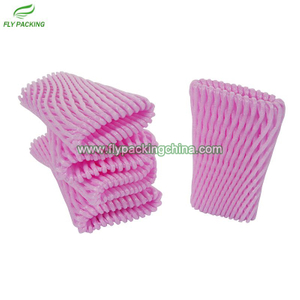
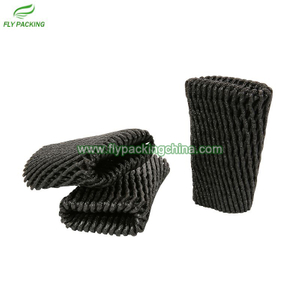
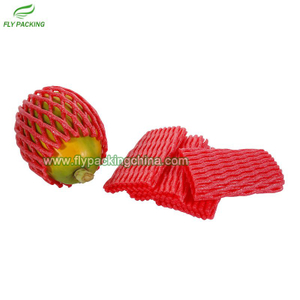
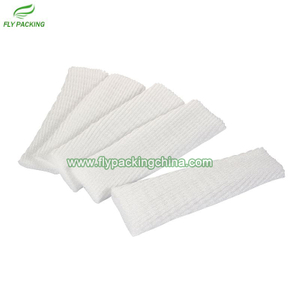
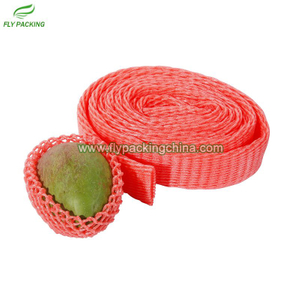
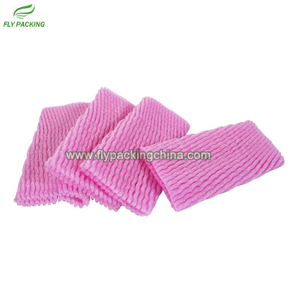
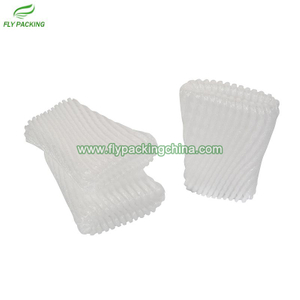
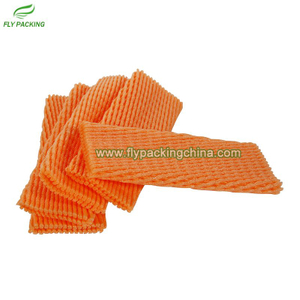
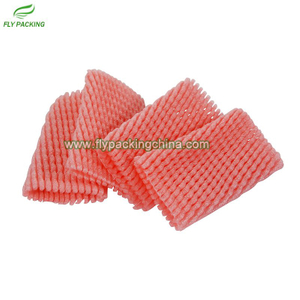
Fruit netting is a lightweight foam sleeve that wraps around individual pieces of fruit. The soft, flexible mesh hugs each apple, pear, orange, or peach, cushioning it against knocks and pressure during handling and transit.
The foam structure does the heavy lifting. Tiny air pockets inside the polyethylene material absorb shock, so a hard impact gets spread out instead of denting the fruit. The breathable mesh design also lets air flow around the produce, which helps slow spoilage and keeps fruit looking fresh on display.
Manufacturers like Fly Packing Co., Limited produce fruit netting in single-layer and double-layer versions. Single-layer foam net suits lighter fruit and gentle handling. Double-layer foam net adds extra padding for heavier or more delicate produce that needs stronger protection. Both come in a range of sizes to match different fruit diameters.
Key benefits of fruit netting include:
Shock absorption that prevents bruising during transport
Breathability that supports airflow and slows decay
A clean, professional look that boosts shelf appeal
Low weight that adds almost nothing to shipping costs
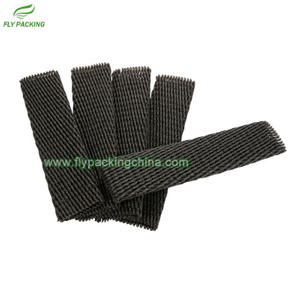
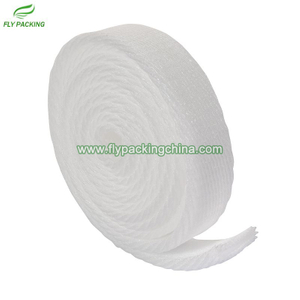
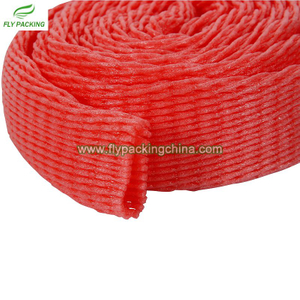
Uncut foam mesh is a continuous roll of foam netting that hasn't been cut into individual sleeves. Instead of pre-sized pieces, you get one long, flexible tube of mesh that you cut to fit your exact needs.
This flexibility is the main draw. Packers who handle many fruit sizes, or who pack glass bottles, ceramics, and other fragile goods, can size each piece on the spot. A roll of foam net from Fly Packing Co., Limited can stretch up to 20 meters, giving operations the freedom to match the wrap to whatever they're shipping that day.
Uncut foam mesh is the right pick if your packing line deals with varied products or you want to cut waste. You only use what you need, and you avoid paying for pre-cut sizes that may not fit. For high-volume packers, that control adds up across a season.
Choose uncut foam mesh when:
You pack fruit or goods in many different sizes
You want to minimize material waste
You ship fragile non-food items alongside produce
You need a flexible solution that adapts to daily demand

Fruit protective packaging covers the full range of materials that shield produce from damage, contamination, and spoilage. Foam netting is one piece of the puzzle, but a complete packaging plan often layers several products together.
Foam cushions and foam sheets add another barrier inside crates and boxes. They line the base and walls, absorbing shock from drops and stacking. Paired with fruit netting, they form a two-level defense: the net protects each piece, while the cushion protects the whole load.
Specialized bags round out the system. Grape protection bags and mango protection bags shield specific crops from insects, sunburn, and rough handling while the fruit is still growing or after harvest. Vented liner bags and poly bags help manage moisture and airflow during shipping and storage.
The table below compares the main fruit protection options and where each works best.
Packaging Type | Best For | Key Benefit | Form |
|---|---|---|---|
Fruit Netting (Single Layer) | Lighter fruit, gentle handling | Basic cushioning, breathable | Pre-cut sleeves |
Fruit Netting (Double Layer) | Heavier or delicate fruit | Extra shock absorption | Pre-cut sleeves |
Uncut Foam Mesh | Varied sizes, mixed goods | Custom-length, low waste | Continuous roll |
Foam Cushion / Sheet | Crate and box lining | Protects the full load | Sheets and pads |
Protection Paper Bags | Grapes, mangoes on the vine | Guards against pests and sun | Pre-formed bags |
Start with your produce. Delicate, high-value fruit such as peaches or premium apples justifies double-layer netting and added cushioning. Hardier fruit may only need a single layer.
Next, think about variety. If you pack one fruit at a steady size, pre-cut netting keeps your line fast and simple. If your sizes change often, uncut foam mesh gives you room to adapt without overbuying.
Finally, factor in your shipping route. Long hauls over rough roads call for stronger, layered protection. Short local runs may need less. Working with an experienced supplier helps you match materials to your real conditions. Fly Packing Co., Limited, a manufacturer based in Guangdong, China, since 2002, offers free samples so you can test options before committing to a full order.
Most fruit netting is made from polyethylene foam. The material is soft, lightweight, and full of tiny air pockets that absorb shock, which makes it ideal for cushioning fresh produce without adding much weight.
Single-layer foam net offers basic cushioning and suits lighter fruit or gentle handling. Double-layer foam net adds a second layer of padding for heavier or more delicate fruit that needs stronger protection during transit.
Yes. Uncut foam mesh works well for glass bottles, wine, ceramics, and other fragile items. Because it comes as a continuous roll, you can cut each piece to the exact size of whatever you're shipping.
The breathable mesh design lets air circulate around each piece of fruit. Better airflow slows the buildup of moisture and heat, which helps keep produce fresh longer during storage and shipping.
Specialized manufacturers such as Fly Packing Co., Limited produce foam nets, foam cushions, foam sheets, and fruit protection bags for agricultural use. Many suppliers offer free samples and export services, so you can test products before placing a large order.
Bruised, spoiled fruit is a cost no grower or distributor wants to absorb, and the right packaging is one of the easiest ways to cut that loss. Fruit netting cushions each piece, uncut foam mesh gives you the flexibility to fit any size or product, and a full fruit protective packaging plan—nets, cushions, sheets, and specialized bags—shields your produce from orchard to shelf. Match your materials to your fruit, your packing variety, and your shipping route, request free samples to confirm the fit, and you'll deliver fresher produce while keeping more of your profit. To sum it up: protect smart, waste less, and ship with confidence.

| | 1/F, NO.81, CHANGZHEN ROAD, SHUIKOU TOWN, KAIPING CITY, GUANGDONG, CHINA |
| | +86-0-136 3183 6942 / +86-0-134 2677 9895 +86-750-2280358 |
| |