Views: 28 Author: Site Editor Publish Time: 2026-05-12 Origin: Site
Every year, countless shipments of fragile items arrive at their destinations shattered or badly damaged. For businesses selling wine, beer, or delicate glass bottles, transit damage represents a massive drain on profits. A single broken bottle can ruin an entire case, leading to lost revenue, replacement costs, and unhappy buyers.
Finding the right packaging for fragile items is a constant challenge for manufacturers and distributors. Standard cardboard boxes and paper dividers often fall short when handling delicate glassware. You need materials that actively absorb shocks, prevent scratching, and stop bottles from clinking together during long journeys across the country or overseas.
This guide explains the benefits of using mesh net glass bottle protective sleeves. You will learn how simple, lightweight foam packaging solutions can drastically reduce product loss, maintain the pristine appearance of your goods, and keep your customers fully satisfied.
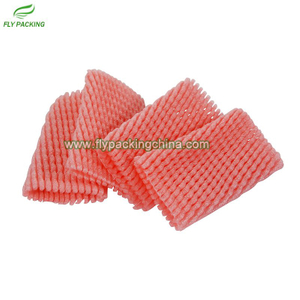
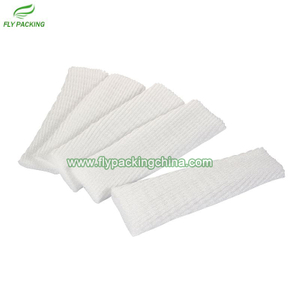
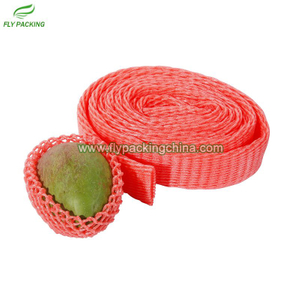
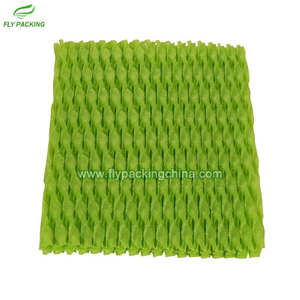
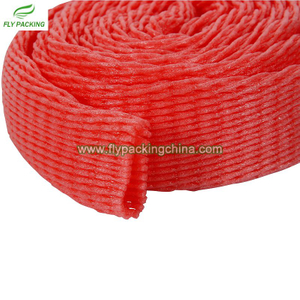
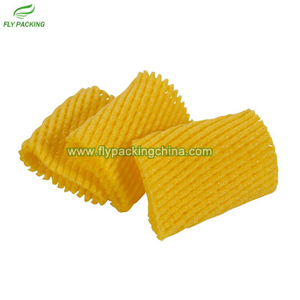
When it comes to safeguarding delicate products, a foam net is one of the most cost-effective and reliable materials available on the market today. Manufacturers create these expanding mesh structures from soft, flexible polyethylene foam. This unique geometric design allows the netting to stretch and mold around a wide variety of shapes, providing a snug, custom fit for every item it covers.
Foam nets work by creating a highly cushioned barrier between the product and its surrounding environment. The air-filled cellular structure of the foam absorbs vibrations and impacts that naturally occur during shipping and handling. Whether a shipping box is dropped on the floor, jostled in the back of a delivery truck, or stacked heavily in a warehouse, the foam netting absorbs the shock long before it reaches the fragile glass inside.
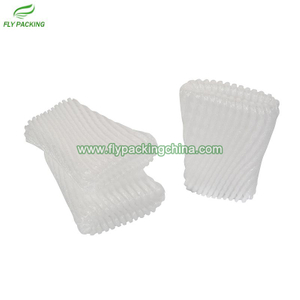
Depending on the specific level of protection your product requires, businesses can choose between different foam thicknesses. A single layer foam net is incredibly lightweight and ideal for preventing surface scratches on moderately sturdy items, like thick beer bottles or cosmetic jars.
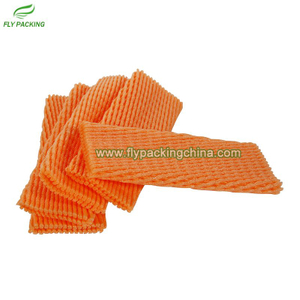
For premium or highly fragile goods, a double layer foam net offers enhanced shock absorption and superior structural support. The extra layer of foam acts as a robust bumper, ensuring that even the most delicate crystal or thin glass reaches its destination completely intact.

The wine and spirits industry relies heavily on secure, reliable packaging. Wine bottles are heavy, smooth, and incredibly fragile. When packed closely together in a standard shipping box, the risk of glass-on-glass contact increases significantly. Wine bottle netting solves this problem efficiently by providing an individual, soft cushion for each specific bottle.
By slipping a mesh sleeve over a bottle of wine, you instantly create a protective buffer zone. This stops the bottles from scraping against each other or rubbing harshly against the cardboard dividers.
Furthermore, the netting protects the custom paper labels on the bottles. A scratched, scuffed, or torn label can make a premium bottle of wine completely unsellable on a retail shelf, even if the glass itself remains unharmed. The soft foam prevents friction, keeping your branding looking crisp and professional.
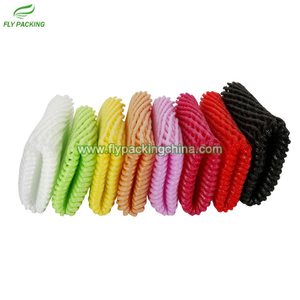
Protective packaging does not have to be ugly. In fact, many high-end brands use colored foam sleeves to enhance the visual appeal of their products. When a customer opens a case of wine and sees each bottle carefully wrapped in pristine netting, it communicates a sense of quality and care. It shows the buyer that you value your product enough to protect it properly, which builds brand loyalty and encourages repeat purchases.
Selecting the correct protective net sleeve for your specific product is a crucial step in optimizing your shipping process. You want a sleeve that fits snugly without being overly difficult to apply during the packing phase. A sleeve that is too loose might slip off during transit, leaving the glass bottle exposed to potential damage.
Using a protective net sleeve offers several distinct advantages beyond simple shock absorption. Consider the following operational benefits:
Lower Freight Costs: Foam nets are incredibly lightweight. They will not add unnecessary weight to your shipments, helping you keep your shipping rates as low as possible.
Breathability: If moisture enters the packaging due to temperature changes, the open mesh design allows air to circulate freely. This prevents mold growth or water damage to the product labels.
Faster Packing Speeds: Foam nets are highly elastic and easy to handle. Warehouse workers can quickly slide the netting over bottles, speeding up the packing process and reducing overall labor costs.
To help you choose the best option for your business, here is a breakdown of the most common foam packaging solutions available for glass bottles:
Feature | Single Layer Foam Net | Double Layer Foam Net | Foam Cushion |
|---|---|---|---|
Best Application | Surface scratch prevention | Heavy impact protection | Bottom and top box padding |
Material Flexibility | High stretchability | Medium stretchability | Low stretchability |
Relative Cost | Most economical choice | Slightly higher investment | Varies based on size and thickness |
Ideal Products | Standard beer bottles, jars | Premium wine, champagne, spirits | Base support for heavy shipping crates |
Yes. Because the mesh structure is highly elastic, it easily expands to wrap around wide bases, long slender necks, and asymmetrical bottle designs. This makes it a highly versatile packaging option for artisan spirits and custom glassware.
No, foam packaging is very space-efficient before it is applied to the product. Many manufacturers supply foam nets in large, continuous rolls or densely packed cartons, taking up minimal floor space in your warehouse or packing facility.
Application is incredibly simple and requires no specialized machinery. Packers simply pull the flexible sleeve open slightly with their hands and slide it directly over the top or bottom of the glass bottle until it covers the desired surface area.
Shipping delicate glass bottles does not have to be a stressful or excessively risky endeavor. By incorporating mesh net glass bottle protective sleeves into your daily packaging strategy, you instantly reduce the chances of transit damage. This one simple change in your shipping process saves money on expensive returns, protects your hard-earned brand reputation, and ensures your customers receive their orders in absolutely perfect condition.
Whether you need flexible wine bottle netting for a boutique vineyard or heavy-duty foam solutions for large-scale distribution, partnering with a reliable, experienced manufacturer is key. Fly Packing Co., Limited specializes in high-quality protective packaging solutions designed specifically to keep your fragile items safe.
Ready to upgrade your packaging process, eliminate shipping damage, and protect your profits? Visit www.flypackingchina.com to explore a wide range of reliable foam net solutions tailored entirely to your business needs.

| | 1/F, NO.81, CHANGZHEN ROAD, SHUIKOU TOWN, KAIPING CITY, GUANGDONG, CHINA |
| | +86-0-136 3183 6942 / +86-0-134 2677 9895 +86-750-2280358 |
| |