Views: 13 Author: Site Editor Publish Time: 2026-06-15 Origin: Site
Fresh fruit is delicate. A single drop, a tight squeeze in a crate, or a long ride over rough roads can leave bruises that turn good produce into waste. For growers, packers, and distributors, that damage adds up fast. Foam net offers a simple, affordable answer—a lightweight foam sleeve that hugs each piece of fruit and absorbs the shocks of the journey from orchard to store.
This guide breaks down what foam net is, how fruit foam net works, and why it has become a go-to choice for fruit protective packaging. You'll learn the different types available, the benefits they bring, and how to pick the right option for your produce.
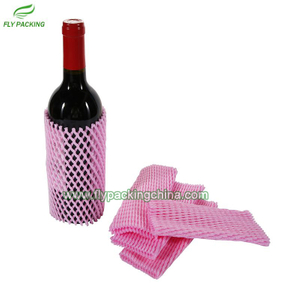
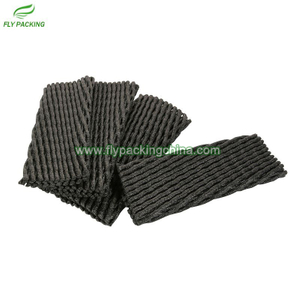
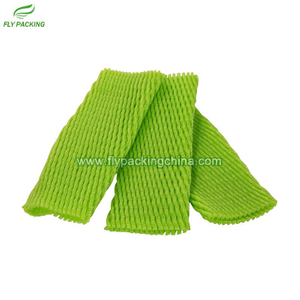
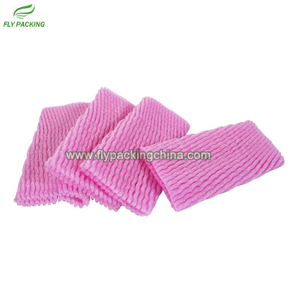
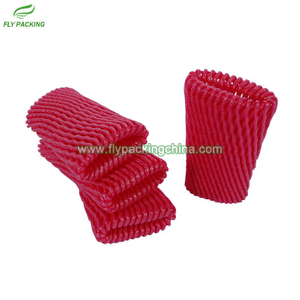
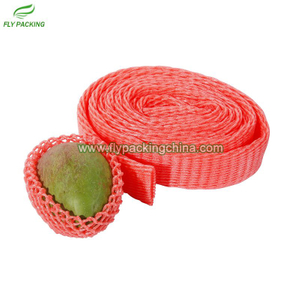
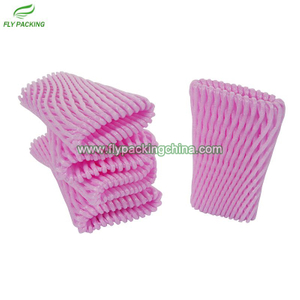
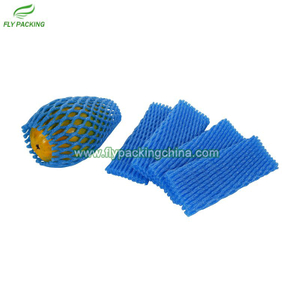
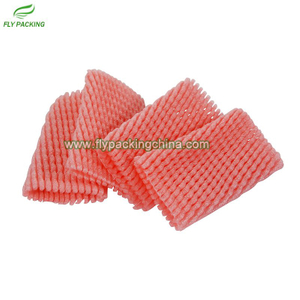
Foam net is a tubular mesh made from expanded polyethylene (EPE) foam. The material is soft, springy, and full of tiny air pockets. When you slide a piece of fruit into the sleeve, the foam compresses gently around it and forms a protective layer on all sides.
The open mesh design does two jobs at once. First, it cushions the fruit, spreading any impact across a wide area instead of letting it land on one weak spot. Second, the gaps in the mesh let air move freely around the produce, which slows down moisture buildup and helps fruit stay fresh longer.
Fly Packing Co., Limited, a manufacturer based in Kaiping City, Guangdong, has produced these foam products for agriculture since 2002. Their range covers fruit foam nets, foam cushions, foam sheets, and more—built specifically for fresh fruits and vegetables.

Foam net comes in a few main forms, each suited to different needs:
Single layer foam net: A single sheet of foam mesh that works well for sturdier fruits like apples, citrus, and pears. It's the most economical choice for everyday produce.
Double layers foam net: Two layers of foam stacked together for extra cushioning. This type suits softer or higher-value fruit such as peaches, mangoes, and Asian pears that bruise easily.
Foam net roll: A continuous roll of foam mesh that packers cut to the length they need. It offers flexibility for fruits of varying sizes.
Uncut foam net: Long, unsegmented netting that buyers can size on-site, ideal for operations that handle many fruit types.
When you compare fruit foam net to traditional options, the advantages become clear. Many packers used to rely on loose paper, plastic trays, or simply stacking fruit directly in boxes. Each of those methods leaves gaps in protection.
Foam net wraps each fruit individually, so the cushioning travels with the produce no matter how the box shifts. The lightweight foam also adds almost no weight to a shipment, which keeps freight costs low. And because the mesh breathes, it reduces the trapped humidity that can lead to rot.
Here's how foam net stacks up against common alternatives:
Packaging Type | Cushioning | Airflow | Weight Added | Best For |
|---|---|---|---|---|
Foam net (single layer) | Good | High | Very low | Apples, citrus, pears |
Foam net (double layers) | Excellent | High | Low | Peaches, mangoes, soft fruit |
Paper wrap | Low | Medium | Low | Light surface protection |
Plastic trays | Medium | Low | Medium | Bulk stacking |
Bare box stacking | None | Low | None | Hardy produce only |
The table shows why so many growers shift to foam net. It hits the balance most operations want—strong protection, good ventilation, and minimal added weight.
Picking the best fruit protective packaging comes down to matching the product to the produce. A few simple questions point you toward the right choice.
How delicate is the fruit? Soft, easily bruised fruit needs more cushioning, so double layers foam net is the safer bet. Firmer fruit does fine with single layer foam net and keeps your packaging budget lean.
What size are the pieces? Foam net sleeves come in different diameters. Choose a snug fit—too loose and the fruit rattles, too tight and the sleeve won't slide on cleanly. Foam net rolls and uncut foam net give you room to customize.
How long is the journey? Produce traveling across borders or sitting in storage for days benefits from the airflow and steady cushioning that foam net provides. Short local trips may need less, but the protection still pays off in fewer rejected items.
What's your volume? High-volume packers often prefer rolls or uncut netting they can cut on demand, while smaller operations may want pre-cut sleeves ready to use.
When you source from a supplier like Fly Packing Co., Limited, you also gain practical support—free samples, English replies to inquiries within 12 hours, door-to-door service, and packing methods that fit more product into each container to trim shipping costs. You can explore their full range at www.flypackingchina.com.
Foam net suits a wide range of produce, including apples, pears, peaches, mangoes, oranges, pomegranates, and Asian pears. Softer, bruise-prone fruits gain the most from double layers foam net, while firmer fruits do well with the single layer version.
Foam net is mainly designed for single-use protection during transport and display, since the mesh can lose its springiness after heavy compression. That said, undamaged sleeves can sometimes be reused for lighter handling tasks around a packing facility.
Yes. The open mesh structure lets air circulate around each fruit, which reduces trapped moisture and slows the buildup of conditions that cause rot. Better airflow combined with bruise protection helps produce arrive in fresher condition.
Foam net is a tubular sleeve that wraps around individual fruits, while a foam cushion is a flat or shaped pad placed inside a box for added support. Many packers use both together for layered protection.
Manufacturers such as Fly Packing Co., Limited supply foam net in bulk, including single layer, double layers, roll, and uncut options. Buyers can request free samples and arrange export shipping directly through www.flypackingchina.com.
Damaged fruit eats into profits, frustrates buyers, and wastes the hard work that goes into growing quality produce. Foam net solves that problem with a light, breathable, cushioning sleeve that travels with every piece of fruit. Whether you handle delicate mangoes or sturdy apples, there's a foam net type built for the job—single layer, double layers, roll, or uncut.
Start by matching the foam net to your fruit's needs, then test a sample run before committing to a full order. A small change in packaging can mean far fewer bruised items and far happier customers. In short, foam net is a low-cost, high-impact way to keep fresh fruit looking and tasting its best from the moment it's picked to the moment it's sold.
Quick answer: Foam net is a soft, flexible mesh sleeve made from polyethylene foam that wraps around individual fruits to cushion them against bumps, bruises, and pressure during handling and transport. It spreads impact across the fruit's surface, improves airflow, and helps growers and shippers deliver produce in top condition.

| | 1/F, NO.81, CHANGZHEN ROAD, SHUIKOU TOWN, KAIPING CITY, GUANGDONG, CHINA |
| | +86-0-136 3183 6942 / +86-0-134 2677 9895 +86-750-2280358 |
| |