Views: 14 Author: Site Editor Publish Time: 2026-06-02 Origin: Site
Every year, businesses lose significant revenue due to damaged shipments. Delicate items like glass bottles are particularly prone to shattering during transit. A single broken bottle can ruin an entire case, leading to lost revenue, replacement costs, and disappointed customers.
To prevent these losses, agricultural businesses and beverage distributors rely on specialized protective materials. Modern packaging solutions absorb shock, reduce friction, and keep fragile items intact from the warehouse to the consumer's doorstep. Selecting the correct protective layer is a critical decision for any company shipping liquids in glass containers.
This guide explores the specific advantages of different protective options, including foam netting and dedicated wine bottle packing bags. By understanding how these materials function, logistics managers and distributors can choose the best packaging to secure their shipments and maintain a healthy profit margin.
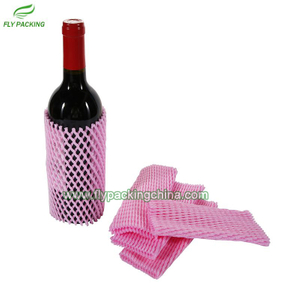
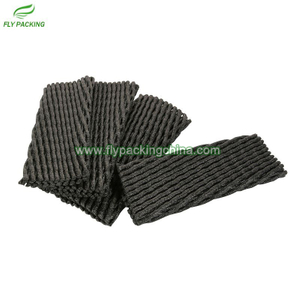
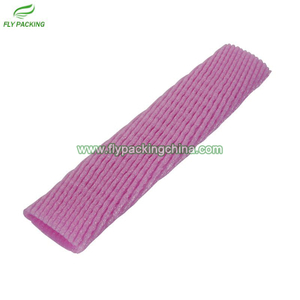
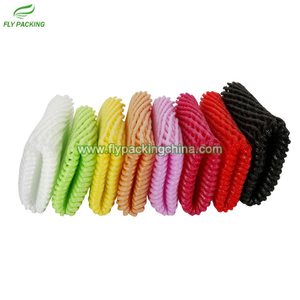
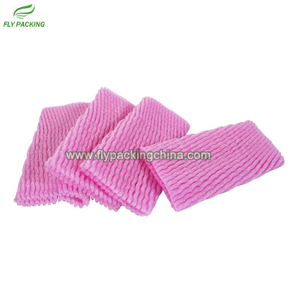
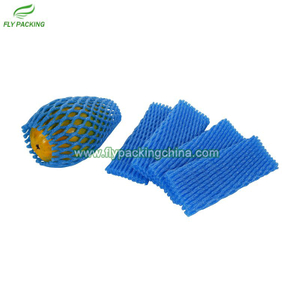
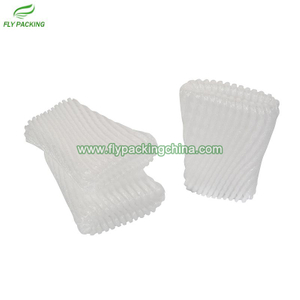
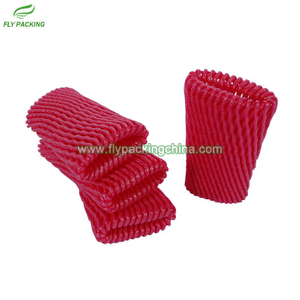
Foam netting is a highly flexible, expandable sleeve made from polyethylene foam. Manufacturers design this netting to stretch over items of various shapes and sizes, providing a soft, cushioning layer. Fly Packing Co., Limited produces both single layer foam net and double layers foam net options to accommodate different levels of fragility.
The primary function of foam netting is shock absorption. When a box containing glass bottles experiences a sudden impact, the polyethylene material compresses, distributing the force across a wider surface area. This dispersion prevents the focused impact that typically causes glass to crack or shatter.
Furthermore, the open-mesh structure of foam netting adds very little weight to the overall shipment. Logistics companies benefit from this lightweight profile because it keeps shipping costs low while still offering robust protection against bumps and bruises.

Wine bottle netting is a specific application of foam netting tailored to the dimensions of standard glass wine bottles. Using wine bottle netting provides several distinct operational advantages for beverage distributors and retailers.
First, wine bottle netting prevents glass-on-glass contact. When multiple bottles are packed tightly inside a cardboard carton, the vibrations of a moving truck cause them to rub against one another. This friction scratches the glass and damages paper labels. A foam net sleeve acts as a physical barrier, keeping the bottles separated and pristine.
Second, the expandable nature of wine bottle netting makes the packing process highly efficient. Warehouse workers can quickly slip a pre-cut net over a bottle in seconds, accelerating the fulfillment process. The netting grips the contours of the bottle tightly, ensuring the protective layer does not slip off during handling.
While netting provides excellent impact resistance, a full wine bottle packing bag offers comprehensive, 360-degree protection. A wine bottle packing bag typically encloses the entire bottle, often utilizing air-filled columns or dense foam lining to create a complete protective envelope.
A wine bottle packing bag shields the product from environmental factors as well as physical impacts. For example, if one bottle in a mixed shipment leaks, a sealed packing bag prevents the liquid from seeping out and ruining the surrounding cardboard or adjacent products. This containment feature is vital for long-distance shipping or air freight, where atmospheric pressure changes can occasionally compromise corks and seals.
Additionally, a wine bottle packing bag presents a more premium unboxing experience for the end consumer. Retailers often utilize stand-up pouch bags or customized poly bags to enhance the visual appeal of their products.

To help supply chain managers determine the best approach, the following table compares the distinct advantages of foam netting and full packing bags.
Feature | Foam Netting | Wine Bottle Packing Bag |
|---|---|---|
Primary Material | Polyethylene foam mesh | Heavy-duty plastic, air columns, or lined foam |
Coverage Area | Sides and neck of the bottle | 360-degree full enclosure |
Impact Resistance | Moderate to High (prevents scratches and minor bumps) | Very High (survives significant drops) |
Weight | Extremely lightweight | Slightly heavier, depending on material |
Best Used For | High-volume case packing, preventing glass friction | Individual shipping, premium retail, leak containment |
Decision criteria: Choose standard foam netting if minimizing shipping weight and accelerating packing speed matters more than full-surface coverage. Opt for a comprehensive wine bottle packing bag if you need 360-degree protection against both severe impacts and environmental elements, especially when shipping single bottles directly to consumers.
Transit damage is a preventable problem. By utilizing high-quality protective materials, businesses can drastically reduce the number of broken bottles and damaged labels in their supply chain. Whether a company chooses the lightweight flexibility of foam netting or the heavy-duty enclosure of a wine bottle packing bag, implementing these solutions ensures that products arrive in perfect condition.
For organizations ready to optimize their packaging strategy, partnering with a professional manufacturer is the most effective next step. Fly Packing Co., Limited offers a wide range of protective materials, including double layers foam net, uncut foam net rolls, and specialized bags. Visit www.flypackingchina.com to request free samples and explore custom packaging solutions tailored to your specific shipping requirements.
Using polyethylene foam netting is generally the most cost-effective method for protecting glass bottles in high-volume shipments. The material is inexpensive to produce in bulk and adds virtually zero weight to the freight, which keeps transportation costs low.
Air-filled wine bottle packing bags use independent, inflated plastic columns to surround the bottle entirely, offering superior protection against high-impact drops. Foam netting uses an open-mesh polyethylene structure to absorb minor shocks and prevent scratches, making it better suited for protecting bottles packed together inside a rigid case.
Distributors shipping exceptionally heavy or high-value liquids should use a double layers foam net. The additional layer of polyethylene provides increased shock absorption and cushioning, which is necessary for premium spirits or heavier glass containers that generate more force upon impact.
Many thick poly bags and high-quality foam cushions can be reused if they remain undamaged after the initial transit. However, most companies treat foam netting and basic air column bags as single-use, recyclable materials to guarantee maximum structural integrity for every new shipment.
Quick answer: Wine bottle packaging bags and foam netting protect fragile glass containers from transit damage by absorbing shock and reducing friction. While foam netting offers a lightweight, cost-effective barrier against scratches for cased goods, a full wine bottle packing bag provides 360-degree protection, making it the superior choice for shipping individual bottles safely.

| | 1/F, NO.81, CHANGZHEN ROAD, SHUIKOU TOWN, KAIPING CITY, GUANGDONG, CHINA |
| | +86-0-136 3183 6942 / +86-0-134 2677 9895 +86-750-2280358 |
| |