Views: 10 Author: Site Editor Publish Time: 2026-05-06 Origin: Site
Every year, countless batches of fresh produce and delicate glass bottles arrive at their destinations bruised, cracked, or completely ruined. This transit damage represents a massive drain on profits for agricultural businesses and manufacturers alike. A single damaged shipment can easily lead to lost revenue, unhappy buyers, and strained supplier relationships.
Finding the right packaging for fragile items is an ongoing challenge across global supply chains. Standard cardboard boxes and paper wraps often fail to absorb the bumps and drops that happen during transit. Businesses need materials that actively prevent bruising, scratching, and breakage without adding excessive weight or shipping costs.
This is where a high-quality protective net sleeve becomes an essential tool. By wrapping individual fruits or fragile glass items in soft, expanding foam, you create a dedicated barrier against physical impact. This simple, cost-effective packaging solution dramatically reduces the rate of returns and ensures your goods look perfect when they reach the consumer.
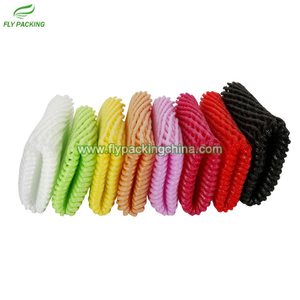
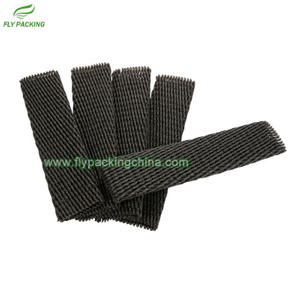
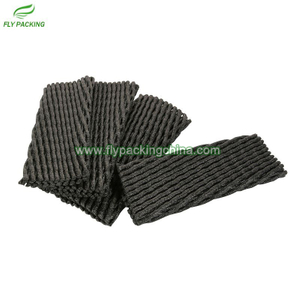
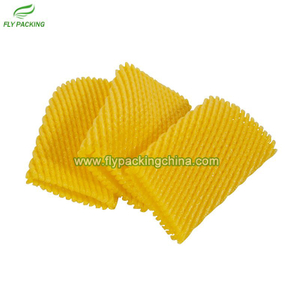
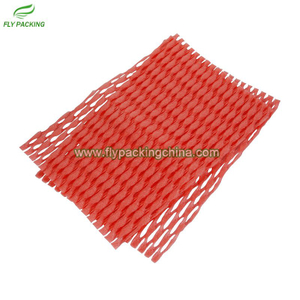
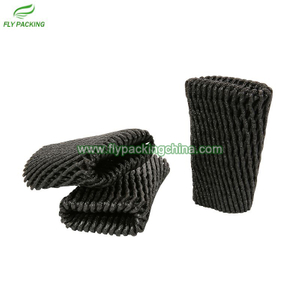
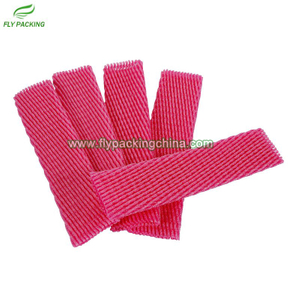
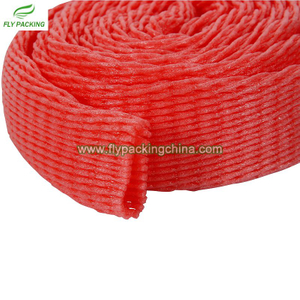
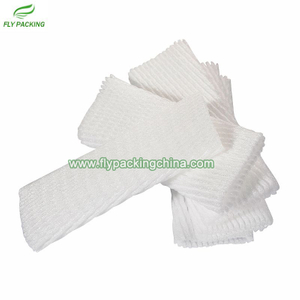
A protective net sleeve is a flexible, expandable tube made from extruded polyethylene foam. The unique diamond-shaped mesh structure allows the sleeve to stretch over items of varying shapes and sizes, gripping them securely. Because the material is exceptionally lightweight, it adds virtually no weight to your shipments.
These sleeves serve a dual purpose. First, they provide excellent shock absorption. The foam pockets trap air and disperse impact energy, keeping the enclosed item safe from vibrations and sudden jolts. Second, they improve air circulation. Unlike solid plastic wrapping, the open mesh design allows fruits and vegetables to breathe, which helps prevent premature rotting and spoilage during long journeys.

Different products require different levels of protection. Fortunately, foam netting comes in several variations to meet the specific demands of your inventory.
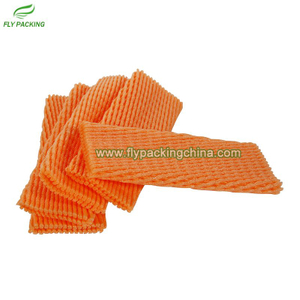
Single layer foam nets are the standard choice for lightweight agricultural produce. Think of apples, pears, peaches, and guavas. The single layer provides just enough cushioning to stop fruits from rubbing against each other inside a shipping crate. It is an incredibly economical option for high-volume fruit exporters who need basic, reliable protection.
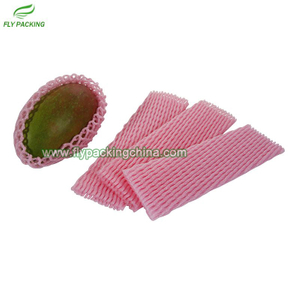
When you are shipping premium fruits like large mangoes or delicate papayas, standard protection might not be enough. Double layers foam nets offer enhanced thickness and structural integrity. The reinforced padding aggressively absorbs heavier shocks, making it ideal for high-value agricultural exports where a single bruise can drastically reduce the selling price.
Fragile glass items require a specialized approach. A protective mesh sleeve designed for bottles is typically denser and longer than standard fruit nets. Wine bottles, spirits, and artisanal cosmetics use these sleeves to prevent glass-on-glass shattering. The snug fit keeps the foam securely attached to the smooth glass surface, ensuring the bottle remains protected from the warehouse to the retail shelf.
To help you decide which packaging material suits your specific needs, review the comparison table below. It outlines the ideal use cases and primary benefits of each sleeve type.
Sleeve Type | Ideal Application | Key Benefits | Relative Cost |
|---|---|---|---|
Single Layer Foam Net | Everyday fruits (apples, pears, guavas) | Lightweight, breathable, highly cost-effective | Low |
Double Layers Foam Net | Premium fruits (mangoes, melons), ceramics | Superior shock absorption, extra thickness | Medium |
Protective Mesh Sleeve | Glass bottles (wine, spirits), cosmetics | Prevents shattering, grips smooth surfaces tightly | Medium to High |
Investing in foam nets yields immediate financial returns. The upfront cost of purchasing the netting is easily offset by the drastic reduction in damaged goods. When buyers open a crate of fruit and find zero bruised items, your brand reputation improves. Retailers are far more likely to place repeat orders with suppliers who consistently deliver pristine goods.
Furthermore, foam sleeves optimize shipping density. Their flexible nature allows workers to pack items closely together without fear of impact damage. This special packing method helps fit a greater quantity of products into a single shipping container, maximizing space and saving on overall freight costs.
Sourcing your packaging from a reliable manufacturer guarantees consistent quality and supply. Fly Packing Co., Limited has operated as a professional leader in the packaging industry since 2002. Based in Kaiping City, Guangdong, China, the company specializes in manufacturing an extensive range of protective materials, including single and double layer foam nets, foam cushions, foam sheets, and backer rods.
Working with Fly Packing offers several distinct advantages for international buyers. The company brings wealthy professional export experience to the table, ensuring quick and stable delivery times. They also provide comprehensive to-door services, simplifying the logistics process for your business. Because they understand the importance of quality assurance, they offer free samples so you can test the protective mesh sleeve on your own products before committing to a bulk order.
If you want to secure your supply chain with premium packing materials, you can explore their full product catalog at https://www.flypackingchina.com/.
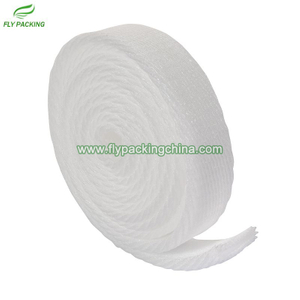
Yes. Manufacturers like Fly Packing produce foam net rolls and uncut foam nets. You can cut these continuous rolls to any specific length, accommodating unusually shaped items or extra-long bottles.
Most modern foam nets are made from recyclable polyethylene. While local recycling capabilities vary, the material itself can be melted down and repurposed, reducing its environmental footprint compared to single-use mixed plastics.
You can easily request free samples by contacting a manufacturer directly. Fly Packing responds to inquiries within 12 hours, allowing you to quickly test their foam cushioning on your delicate inventory.

Damaged goods should not be an accepted cost of doing business. By integrating a protective net sleeve into your shipping protocol, you actively defend your products against the harsh realities of global transit. From single layer fruit protectors to heavy-duty bottle mesh, the right foam packaging preserves both your inventory and your profit margins.
Take the next step in optimizing your supply chain logistics. Visit Fly Packing Co., Limited to request a free sample and discover how professional-grade foam packaging can transform your shipping operations.

| | 1/F, NO.81, CHANGZHEN ROAD, SHUIKOU TOWN, KAIPING CITY, GUANGDONG, CHINA |
| | +86-0-136 3183 6942 / +86-0-134 2677 9895 +86-750-2280358 |
| |