
Every piece of fruit that leaves a farm faces a journey it was never built for. Trucks jolt over uneven roads, pallets shift inside shipping containers, and temperature swings stress delicate skins long before a mango or a bottle of wine reaches a store shelf. A single bruise, crack, or scuff can tu

Fresh produce travels a long road before it reaches a grocery shelf or a dinner table. Along the way, bruising, compression, and surface scratches can turn a perfectly ripe piece of fruit into something no shopper wants to pick up. For growers, packers, and exporters, the margin between a saleable c

Fresh produce travels thousands of miles before it reaches a dinner table, and every mile adds risk. A single bruise on a mango or a hairline crack in a wine bottle can turn a profitable shipment into a loss. Packers, exporters, and growers have spent decades looking for materials that absorb shock

Mangoes are among the most bruise-prone fruits moved through global supply chains. Their thin skin and soft flesh mean even a light knock during loading or transport can leave a mark that shows up days later at the retail shelf. For growers and exporters, that kind of damage translates directly into

Bottles break for one simple reason: they move when they shouldn't. A wine bottle knocking against a crate wall, a glass jar rubbing its neighbor, a shipment jostled by hours of highway vibration—these small motions compound into cracks, scratches, and shattered stock by the time a package reaches i

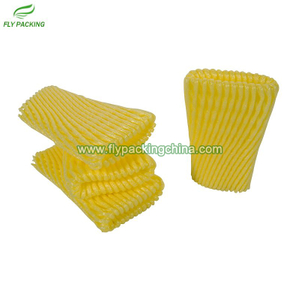
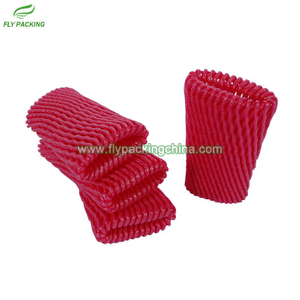
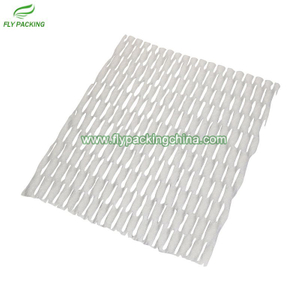
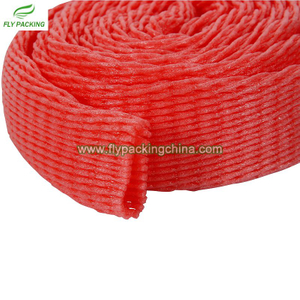
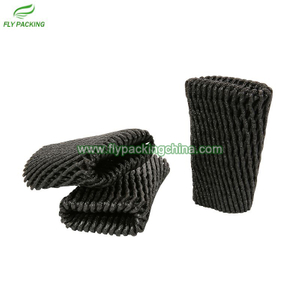
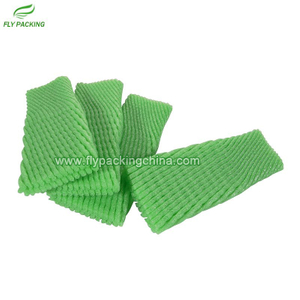
Foam nets protect fresh produce from bruising, scratching, and impact damage during transit. Single-layer options suit lighter fruits, while double-layer designs add extra cushioning for heavier or more delicate produce. Sourcing from a specialized manufacturer ensures consistent quality, reliable s

Long-distance freight puts constant pressure on delicate cargo. Vibration, stacking loads, and shifting weight cause most damage—not dramatic accidents, but slow, grinding contact over hundreds of miles. For growers, packers, and exporters, that damage eats directly into profit margins.Foam mesh sle

Bottles break for one simple reason: they move when they shouldn't. A wine bottle knocking against a crate wall, a glass jar rubbing its neighbor, a perfume flacon vibrating loose during a long haul—these small motions add up to cracks, scratches, and shattered goods by the time a package arrives.Fo
Views: 13 Author: Site Editor Publish Time: 2023-07-05 Origin: Site
Foam net has become increasingly popular in various industries due to their versatility, durability, and eco-friendly nature. These nets, often made from polyethylene foam, offer a range of benefits and applications. In particular, foam fruit nets have gained traction as a sustainable packaging solution for delicate fruits. In this article, we will delve into the world of foam nets, exploring their uses, advantages, and the environmental impact they bring.
Foam Fruit Nets: Gentle Protection for Delicate Fruits:
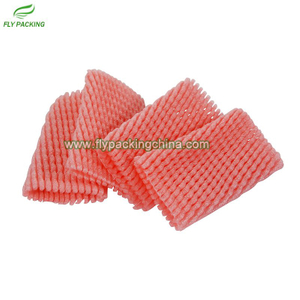
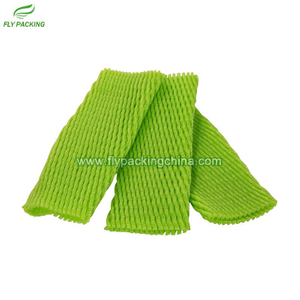
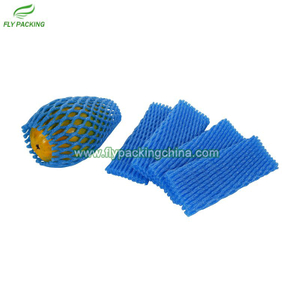
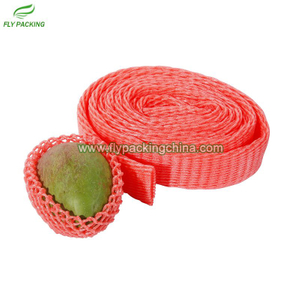
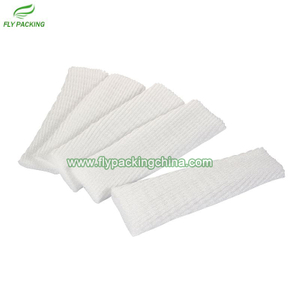
Cushioning and Protection: Foam fruit net is designed to provide a soft and protective layer around delicate fruits such as peaches, pears, and avocados. The foam material cushions the fruits, preventing bruising, scratching, or damage during transportation and storage. This protective barrier ensures that the fruits remain in optimal condition until they reach the consumer.
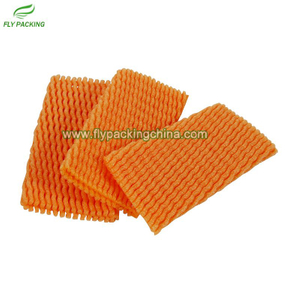
Air Circulation: Foam fruit nets are characterized by their net-like structure, allowing for proper air circulation around the fruits. This feature helps maintain the freshness and quality of the produce by preventing excessive moisture buildup and allowing for adequate ventilation.
Lightweight and Cost-effective: Foam fruit nets are lightweight, which reduces the overall packaging weight and associated shipping costs. This lightweight nature also makes them easy to handle and package, increasing efficiency in packing processes.
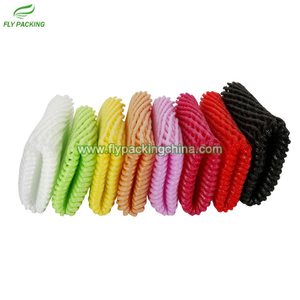
Customizable Sizes and Shapes: Foam fruit nets come in various sizes and shapes to accommodate different fruit types and sizes. They can be easily adjusted or trimmed to fit specific fruits, ensuring a snug and secure fit. This customization ensures that each fruit is protected and supported, minimizing movement within the packaging.
Polyethylene Foam Nets: A Sustainable Packaging Solution:
Environmentally Friendly: Polyethylene foam net is known for their eco-friendly properties. The material is non-toxic, recyclable, and does not release harmful substances into the environment. Using polyethylene foam nets as a packaging solution reduces reliance on single-use plastics and helps minimize waste.
Reusability and Recyclability: Polyethylene foam nets can be reused multiple times before recycling. Their durability allows them to withstand several cycles of use, reducing the need for frequent replacements. Once they have served their purpose, polyethylene foam nets can be recycled, further minimizing their environmental impact.
Thermal Insulation: Polyethylene foam has excellent thermal insulation properties. This makes it an ideal packaging material for temperature-sensitive products, including food and beverages. The foam nets help maintain the desired temperature, whether hot or cold, protecting the contents and reducing energy consumption.
Versatile Applications: Polyethylene foam nets have applications beyond fruit packaging. They are used in various industries, including electronics, furniture, and automotive, for cushioning, shock absorption, and protection during shipping and handling.
Eco-Conscious Packaging Trends:
The increasing demand for sustainable packaging solutions has led to the rise of eco-conscious practices in the industry. Foam nets, including foam fruit nets and polyethylene foam nets, align with these trends by offering the following advantages:
Reduced Plastic Waste: By utilizing foam nets made from recyclable materials, companies can contribute to the reduction of plastic waste. Foam nets provide a viable alternative to traditional plastic packaging, reducing the environmental impact associated with single-use plastics.
Brand Image and Consumer Preference: Adopting eco-friendly packaging practices can enhance a company's brand image and resonate with environmentally conscious consumers. Customers are increasingly seeking products that are packaged sustainably and are more likely to support brands that align with their values.
Regulatory Compliance: As governments worldwide implement stricter regulations and standards regarding packaging waste and environmental impact, adopting sustainable packaging solutions becomes essential for businesses to stay compliant and avoid potential penalties.
Conclusion:
Foam nets, including foam fruit nets and polyethylene foam nets, offer versatile packaging solutions that prioritize protection, sustainability, and cost-effectiveness. Foam fruit nets provide gentle cushioning and airflow for delicate fruits, ensuring that they reach consumers in optimal condition. Polyethylene foam nets, on the other hand, offer a sustainable packaging option that is recyclable, reusable, and thermally insulating. By embracing foam nets, businesses can reduce plastic waste, align with eco-conscious trends, and enhance their brand image. As the demand for environmentally friendly packaging continues to grow, foam nets serve as a promising solution that combines functionality, versatility, and a reduced environmental footprint.

| | 1/F, NO.81, CHANGZHEN ROAD, SHUIKOU TOWN, KAIPING CITY, GUANGDONG, CHINA |
| | +86-0-136 3183 6942 / +86-0-134 2677 9895 +86-750-2280358 |
| |