Views: 28 Author: Site Editor Publish Time: 2025-09-02 Origin: Site
Fresh fruit travels thousands of miles before reaching your local grocery store. During this journey, delicate produce faces countless risks—from bruising and scratching to moisture damage and contamination. This is where EPE Fruit Wrap Foam Netting becomes a game-changer for the agricultural industry.
EPE (Expanded Polyethylene) Fruit Wrap Foam Netting represents one of the most effective protective packaging solutions available for fresh produce. This specialized netting combines the cushioning properties of foam with the flexibility of netting, creating a protective barrier that keeps fruits safe during transport and storage while maintaining their quality and appearance.
The global fresh produce market continues to grow, with consumers increasingly demanding high-quality fruits that arrive in perfect condition. Understanding the role of EPE Fruit Wrap Foam Netting helps explain how your favorite fruits maintain their freshness from farm to table.
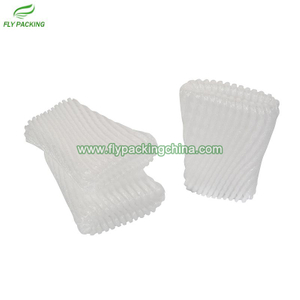
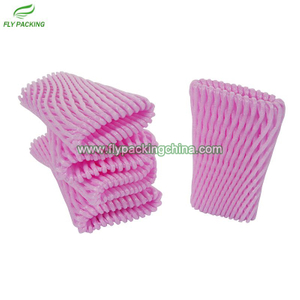
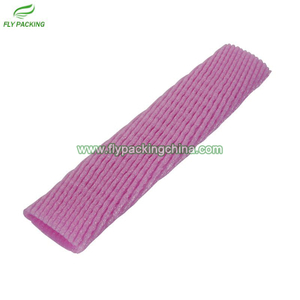
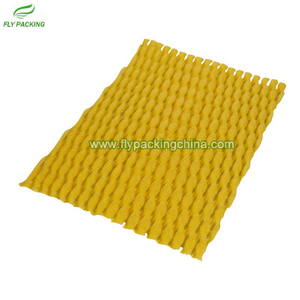
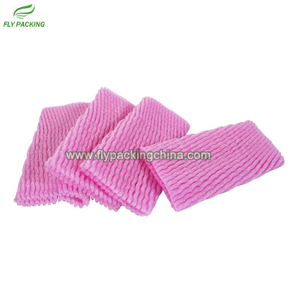
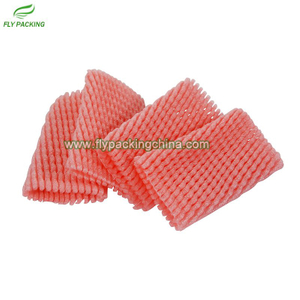
EPE Fruit Wrap Foam Netting is a protective packaging material specifically designed for wrapping individual fruits or small clusters of produce. Made from expanded polyethylene, this lightweight yet durable material features a unique structure that combines the shock-absorbing qualities of foam with the breathable characteristics of netting.
The material's cellular structure allows air circulation while providing cushioning against impacts, pressure, and friction. Unlike traditional plastic wraps or rigid containers, EPE Fruit Wrap Foam Netting conforms to the natural shape of each fruit, creating a custom-fit protective layer.
This innovative packaging solution comes in various sizes, colors, and mesh configurations to accommodate different types of produce. From delicate berries to larger fruits like apples and pears, EPE Fruit Wrap Foam Netting can be customized to meet specific packaging requirements.
The primary advantage of EPE Fruit Wrap Foam Netting lies in its exceptional protective capabilities. The foam structure absorbs impacts and prevents fruits from colliding with each other during transportation. This protection significantly reduces bruising, scratching, and other forms of physical damage that can occur when fruits are packed together without adequate cushioning.
The netting design also prevents fruits from rolling around inside packaging containers, maintaining their position and reducing the risk of damage from shifting during transport.
EPE Fruit Wrap Foam Netting excels at moisture control, a critical factor in maintaining fruit quality. The material's breathable structure allows proper air circulation while preventing excessive moisture buildup that can lead to mold, rot, and bacterial growth.
This moisture management capability extends the shelf life of wrapped fruits and helps maintain their natural texture and flavor profiles throughout the supply chain.
The insulating properties of EPE foam help protect fruits from temperature fluctuations during transport and storage. This thermal protection prevents rapid temperature changes that can damage cellular structure and accelerate spoilage.
Compared to other protective packaging options, EPE Fruit Wrap Foam Netting offers excellent value for money. The material is lightweight, reducing shipping costs, and its effectiveness in preventing damage translates to lower product loss rates for distributors and retailers.
Fly packing—the process of rapidly packaging and shipping fresh produce to meet tight delivery schedules—benefits significantly from EPE Fruit Wrap Foam Netting. The speed and efficiency required in fly packing operations demand packaging solutions that are quick to apply while providing maximum protection.
EPE Fruit Wrap Foam Netting's flexibility makes it ideal for high-speed packaging lines. Workers can quickly wrap individual fruits without the need for complex machinery or time-consuming application processes. This efficiency is crucial when dealing with perishable goods that must be packaged and shipped within narrow time windows.
The lightweight nature of the netting also reduces the overall weight of packaged goods, enabling more efficient use of cargo space and reducing transportation costs—critical factors in fly packing operations where margins are often tight.

EPE Fruit Wrap Foam Netting comes in several configurations to meet different packaging needs:
Different mesh sizes accommodate various fruit types. Fine mesh works well for small, delicate fruits like berries, while larger mesh patterns suit bigger produce like apples or citrus fruits.
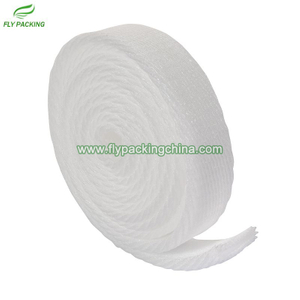
Available in multiple colors including white, pink, red, and custom options, the netting can be color-coded for different fruit varieties or quality grades, improving inventory management and sorting efficiency.
Various thickness options provide different levels of protection. Thicker variants offer enhanced cushioning for more delicate or valuable fruits, while thinner options work well for hardier produce.
Manufacturers can produce EPE Fruit Wrap Foam Netting in custom sizes to fit specific fruit dimensions, ensuring optimal protection without unnecessary material waste.
Modern EPE Fruit Wrap Foam Netting addresses growing environmental concerns in the packaging industry. Many variants are now produced using recyclable materials, and some manufacturers offer biodegradable options that break down naturally over time.
The material's lightweight properties contribute to reduced fuel consumption during transportation, lowering the overall carbon footprint of the packaging solution. Additionally, the protection provided by the netting reduces food waste by preventing damage that would otherwise render fruits unsaleable.
Some manufacturers have developed EPE Fruit Wrap Foam Netting using recycled polyethylene, further reducing the environmental impact while maintaining the same protective qualities.
Proper application of EPE Fruit Wrap Foam Netting maximizes its protective benefits. The netting should be applied snugly around each fruit without being too tight, allowing for natural expansion during ripening while maintaining protective coverage.
For optimal results, fruits should be clean and dry before wrapping, and the netting should be inspected for any tears or damage that could compromise protection. Storage in cool, dry conditions helps maintain the netting's integrity and protective properties.
The packaging industry continues to evolve, with new innovations in EPE Fruit Wrap Foam Netting technology emerging regularly. Recent developments include antimicrobial treatments that provide additional protection against bacterial growth and smart netting with built-in freshness indicators.
Research into bio-based alternatives continues to advance, promising even more sustainable options while maintaining the protective qualities that make EPE Fruit Wrap Foam Netting so effective.
EPE Fruit Wrap Foam Netting represents a critical component in the modern fresh produce supply chain. Its unique combination of protection, breathability, and cost-effectiveness makes it an indispensable tool for maintaining fruit quality from harvest to consumer.
Whether used in fly packing operations or traditional distribution channels, this innovative packaging solution helps ensure that fresh fruits arrive at their destination in optimal condition. As the demand for high-quality fresh produce continues to grow, EPE Fruit Wrap Foam Netting will remain essential for meeting consumer expectations while reducing waste and maintaining profitability throughout the supply chain.
Consider implementing EPE Fruit Wrap Foam Netting in your packaging operations to improve product quality, reduce damage rates, and enhance customer satisfaction with consistently fresh, well-protected produce.

| | 1/F, NO.81, CHANGZHEN ROAD, SHUIKOU TOWN, KAIPING CITY, GUANGDONG, CHINA |
| | +86-0-136 3183 6942 / +86-0-134 2677 9895 +86-750-2280358 |
| |