Views: 17 Author: Site Editor Publish Time: 2026-04-21 Origin: Site
Packaging fragile items requires the right materials to prevent damage during transit. Fruits, glass bottles, and delicate ceramics easily suffer from bumps and drops along the supply chain. Finding a lightweight yet highly effective protective layer can save businesses significant money on returns and replacements.
Extruded polyethylene foam products offer a reliable solution for shipping and storage. These materials absorb shock, prevent surface scratches, and provide essential ventilation for perishable goods. Among these solutions, foam netting stands out as an incredibly versatile option for businesses across multiple industries.
This post explores the mechanics and benefits of foam netting, with a specific focus on the single layer foam net. We will also examine related materials like the backer rod to help you build a comprehensive, cost-effective protective strategy for your valuable goods.

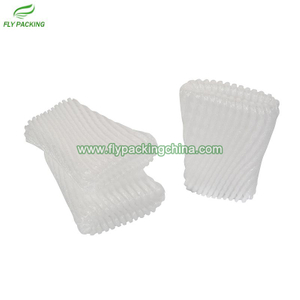
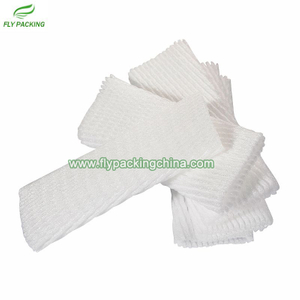
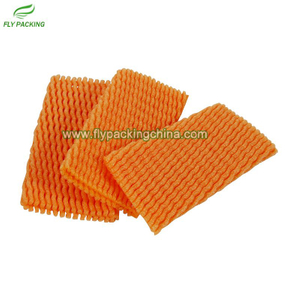
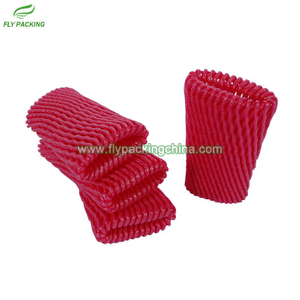
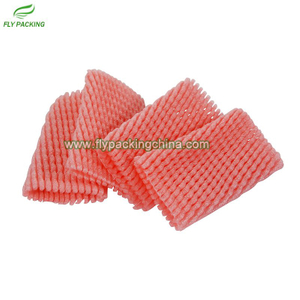
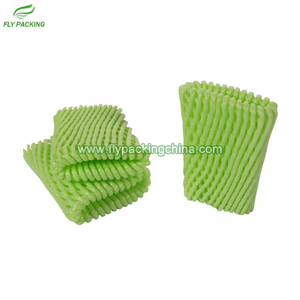
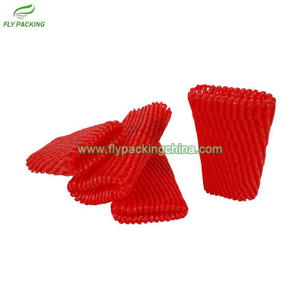
Foam nets are flexible, mesh-like sleeves typically manufactured from Expanded Polyethylene (EPE). This material is highly resilient, non-toxic, and resistant to moisture. When expanded, the foam takes on a spongy texture that effortlessly absorbs impacts.
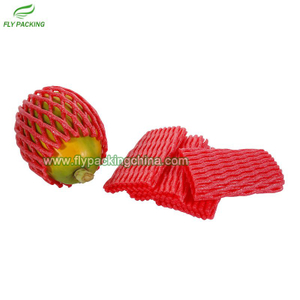
The unique diamond-shaped mesh design allows the net to stretch and conform to the shape of the object it holds. This means a single size of netting can snugly fit around a slender wine bottle or stretch to accommodate a round piece of fruit. The open structure also provides excellent airflow, which is a critical factor when transporting agricultural products that can easily spoil if trapped in a humid, unventilated environment.
Many businesses rely on foam nets to prevent surface abrasion. When items rub against each other inside a shipping carton, friction can ruin labels, scratch glass, or bruise produce. A thin layer of foam acts as a reliable barrier, keeping the surface pristine from the warehouse to the customer's hands.
While foam nets come in various thicknesses and configurations, the single layer foam net is often the most practical choice for everyday packaging needs. As the name suggests, this net consists of a single, continuous layer of extruded mesh. It provides a lightweight, economical barrier without adding unnecessary bulk or weight to the shipment.
A single layer net is particularly popular in the agricultural sector. Orchards and distributors use them to wrap apples, pears, papayas, and mangoes. The breathable nature of the single layer allows ethylene gas to escape, preventing premature ripening and decay.
In the beverage industry, breweries and wineries use single layer foam nets to protect glass bottles. The net prevents the bottles from clinking together and shattering, ensuring the product arrives safely. Because it is so lightweight, the single layer net does not drastically increase shipping costs, making it a highly efficient choice for bulk distribution.
To better understand how a single layer foam net can serve your specific needs, review the common applications and benefits in the table below.
Industry | Common Application | Primary Benefit |
|---|---|---|
Agriculture | Wrapping fresh fruits and vegetables | Prevents bruising and allows airflow to reduce spoilage |
Beverage | Sleeving wine, liquor, and glass bottles | Prevents glass-to-glass contact and surface scratching |
Cosmetics | Protecting fragile jars and vials | Offers a lightweight, aesthetically pleasing protective layer |
Industrial | Covering metal pipes and delicate parts | Guards against rust and abrasion during transit and storage |
When discussing extruded polyethylene foam products, it is helpful to look at the backer rod. A backer rod is a cylindrical piece of flexible foam. While primarily known for its use in construction to fill joints before applying sealant, it shares many of the same protective qualities as a foam net.
Because both products are made from closed-cell or open-cell polyethylene foam, they are excellent at absorbing shock. In the packaging world, backer rods are frequently used to fill large, awkward voids inside shipping boxes. If you are shipping a heavy or oddly shaped item, wrapping it in a single layer foam net protects the surface, while placing backer rods in the empty corners of the box prevents the item from shifting during transit.
Backer rods also provide structural support. They can be cut to size and wedged between items to act as heavy-duty bumpers. Together, foam nets and backer rods create a comprehensive packaging system that addresses both surface protection and structural stability.
Evaluating your current shipping materials can uncover new ways to reduce waste and save money. If you frequently deal with broken items, bruised produce, or damaged labels, it might be time to integrate extruded foam products into your workflow.
Start by identifying the most fragile items in your inventory. Test a few samples of single layer foam nets to see how easily they stretch and conform to your products. Pair them with backer rods if you need to secure heavy items inside large cartons. By making these small adjustments, you can drastically improve your product's safety and ensure your customers receive their orders in perfect condition.

| | 1/F, NO.81, CHANGZHEN ROAD, SHUIKOU TOWN, KAIPING CITY, GUANGDONG, CHINA |
| | +86-0-136 3183 6942 / +86-0-134 2677 9895 +86-750-2280358 |
| |