Views: 12 Author: Site Editor Publish Time: 2026-07-15 Origin: Site
A single bruised apple can compromise an entire box. During shipping, apples are exposed to vibration, pressure, and friction—forces that cause surface damage long before the fruit reaches a retailer or consumer. The result is a costly chain of spoilage that growers, packers, and exporters deal with constantly.
Fruit foam nets offer a direct, practical solution. These soft, expandable sleeves wrap individual apples, absorbing shock and eliminating fruit-to-fruit contact throughout the supply chain. Understanding how they work—and where they come from—helps buyers make smarter choices for their packaging operations.
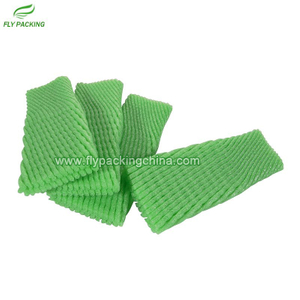
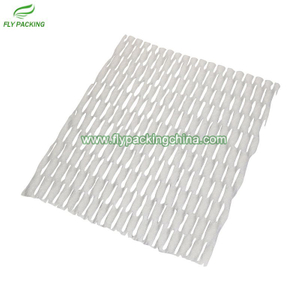
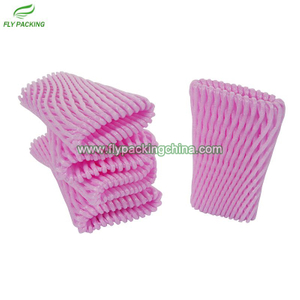
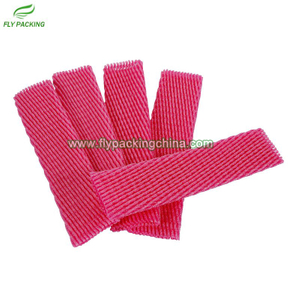
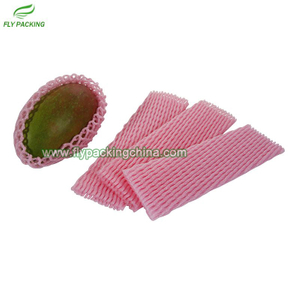
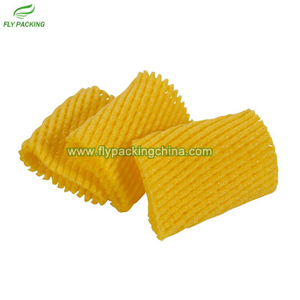
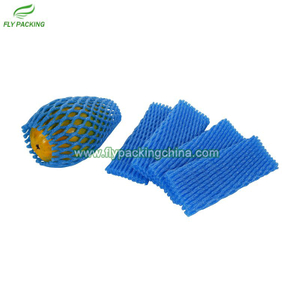
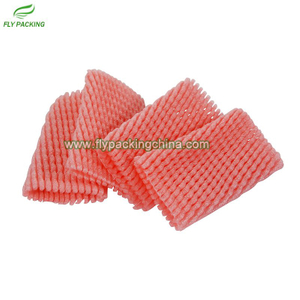
Fruit netting is a mesh-style protective sleeve made from expanded polyethylene (EPE) foam. Unlike rigid packaging, foam netting conforms to the shape of each apple, wrapping it snugly without applying excessive pressure. This flexibility makes it effective across a wide range of apple sizes and varieties.
The core function of fruit netting is shock absorption. During road transport, sea freight, or air cargo, packages experience repeated vibrations and sudden jolts. Without protection, apples knock against each other and against the walls of their crates. Even minor surface damage shortens shelf life, affects appearance, and reduces the price a grower can command at market.
Fruit netting addresses this by creating a physical barrier between fruits. Each apple sits within its own foam sleeve, insulated from neighboring fruits and cushioned against external impacts.
Common types of fruit netting include:
Type | Structure | Best Used For |
|---|---|---|
Single layer foam net | One layer of EPE foam mesh | Light fruits, short-distance shipping |
Double layer foam net | Two overlapping foam layers | Delicate or premium fruits, long hauls |
Foam net roll (uncut) | Continuous mesh, cut to size | Custom packaging, high-volume operations |
Foam sleeve net | Pre-formed tube shape | Apples, pears, mangoes, citrus |
Single layer nets provide standard protection at a lower material cost, while double layer nets add reinforcement for premium produce or longer transit routes. Foam net rolls give packers the flexibility to cut sleeves to exact lengths, reducing waste in high-volume facilities.

A fruit foam net does more than cushion—it creates an environment where apples arrive in the same condition they left the packing house. Several specific properties make this possible.
EPE foam compresses on impact and returns to its original shape, meaning it can absorb repeated shocks without degrading. On a long sea freight route from China to Europe or North America, a single shipment may take three to five weeks. Throughout that time, boxes shift, vehicles vibrate, and cargo is loaded and unloaded multiple times. A well-fitted foam net maintains its protective function across each of these events.
Friction between apples—and between apples and cardboard box walls—creates scuff marks and surface abrasions. These marks accelerate moisture loss and provide entry points for bacteria and mold. Foam netting eliminates direct surface contact, keeping the apple's skin intact from packing line to point of sale.
EPE foam has mild insulating properties. In fluctuating temperature environments, this helps maintain stable surface conditions around each apple, reducing the condensation that can soften skin and accelerate decay.
Fruit foam nets add negligible weight to a shipment. For exporters shipping large volumes by air or managing tight weight limits, this matters. A foam net weighing just a few grams per sleeve adds virtually nothing to cargo weight while delivering meaningful protection.
Apple sizes vary by cultivar and growing region. Foam nets are available in multiple diameters and lengths to match different fruit dimensions precisely. A net that is too loose will allow movement; one that is too tight will apply pressure. Properly sized foam nets apply consistent, even contact without stress points.
China is the world's largest producer of fruit foam nets, supplying growers, exporters, and packaging distributors across more than 50 countries. The concentration of EPE foam manufacturing in Guangdong Province—home to major production hubs like Kaiping City—has made Chinese suppliers the default source for high-volume, competitively priced foam packaging.
Kaiping-based manufacturer Fly Packing Co., Limited (flypackingchina.com), operating since 2002, is one example of a specialized exporter offering a full range of foam nets, foam cushions, foam sheets, and fruit protection paper bags. The company ships to international buyers and provides free samples with English-language support—a common arrangement among established Chinese foam net exporters targeting global agricultural markets.
Key advantages of sourcing foam nets from China include:
Volume capacity — Large factories can fulfill orders of millions of units, meeting the scale demands of major apple exporters
Product variety — Chinese manufacturers typically offer single layer, double layer, uncut roll, and custom-cut formats under one roof
Lead times — Established exporters maintain ready stock and can dispatch orders within days
Cost efficiency — Manufacturing at scale in Guangdong keeps per-unit costs low compared to equivalent products made in Europe or North America
When evaluating a China foam net supplier, buyers should request material safety certifications, confirm the foam is food-grade EPE, and review export documentation to ensure compliance with destination country import standards.
Not every apple shipment has the same packaging requirements. The right foam net depends on three main variables: transit duration, destination market standards, and apple variety.
For domestic or short-haul distribution, a single layer foam net typically provides sufficient protection. For export shipments traveling by sea over multiple weeks, a double layer net offers stronger impact resistance and greater peace of mind. Premium varieties—such as Honeycrisp, Fuji, or Pink Lady apples destined for high-end retail—often justify the added protection of a double layer net regardless of route length.
Volume also shapes the decision. Large packing operations benefit from purchasing foam net rolls and cutting to size on-site, as this reduces per-unit packaging cost and allows fast adjustments when packing different apple grades in the same facility.
Apple bruising during shipping is not an unavoidable cost of doing business—it is a packaging problem with a clear solution. Fruit foam nets, when correctly sized and sourced from a reputable manufacturer, eliminate the surface damage that leads to spoilage, reduced shelf appeal, and financial loss across the supply chain.
China remains the most established source for foam net supply at scale. Manufacturers in Guangdong Province, including longtime exporters like Fly Packing Co., Limited (flypackingchina.com), have refined production and export processes over decades, giving international buyers access to consistent quality, broad product ranges, and competitive pricing. For growers and exporters serious about reducing post-harvest losses, sourcing the right fruit foam net is one of the highest-impact packaging decisions they can make.
Are fruit foam nets food-safe for use with apples?
Yes, when made from food-grade expanded polyethylene (EPE) foam. Food-grade EPE is non-toxic, odorless, and does not transfer chemicals to fruit surfaces. Buyers should confirm food-grade certification with their supplier before purchasing.
Are foam nets reusable?
Fruit foam nets are generally designed for single use. EPE foam may stretch or compress slightly after use, reducing its effectiveness in subsequent applications. For cost-conscious operations, single-use nets sourced in bulk remain more economical than attempting reuse.
Can foam nets replace foam trays or cardboard dividers entirely?
Foam nets work best in combination with a structural outer container, such as a corrugated cardboard box or wooden crate. The net protects individual fruit surfaces; the outer packaging provides structural support for stacking. For high-volume apple shipments, foam nets and cardboard dividers are often used together.
Are there size standards for apple foam nets?
No universal standard exists. Foam net sizing varies by manufacturer and is typically described by diameter and length. Buyers should provide their apple size range (in millimeters or by weight class) to their supplier to confirm the correct net dimensions before placing a bulk order.
Is there a minimum order quantity for China foam nets?
Minimum order quantities vary by supplier. Many Chinese manufacturers require orders of at least one carton or one bag of nets, which typically contains several hundred to a few thousand sleeves. Some suppliers, including Fly Packing Co., Limited, offer free samples before committing to a full order.
TL;DR: Fruit foam nets are lightweight polyethylene sleeves that cushion apples during transit, absorbing shock and preventing surface contact between fruits. Used widely across global supply chains, these nets significantly reduce bruising, spoilage, and post-harvest losses for growers and exporters.

| | 1/F, NO.81, CHANGZHEN ROAD, SHUIKOU TOWN, KAIPING CITY, GUANGDONG, CHINA |
| | +86-0-136 3183 6942 / +86-0-134 2677 9895 +86-750-2280358 |
| |