Views: 12 Author: Site Editor Publish Time: 2026-07-07 Origin: Site
Fresh fruit is vulnerable. A single bump in transit—a shift in the crate, pressure from adjacent boxes, or vibration on a long-haul truck—can bruise produce before it ever reaches the shelf. That bruising costs growers, packers, and exporters real money. Backer rod has emerged as a practical solution to this problem, offering a lightweight, affordable way to protect fruit during handling and shipping.
This guide covers what backer rod is, how it is used in fruit packing, why China has become the dominant source for this material, and what to look for in a reliable backer rod manufacturer.

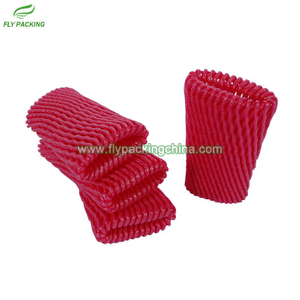
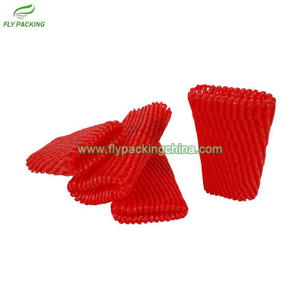
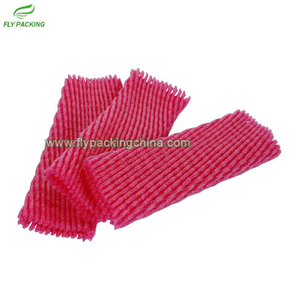
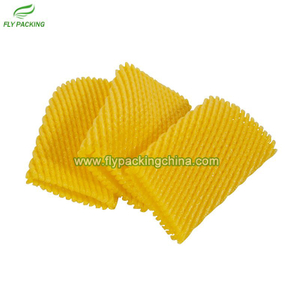
Backer rod is a cylindrical foam product, typically made from polyethylene or similar closed-cell foam materials. Originally developed for the construction industry as a joint-filling material, backer rod has since found practical applications across several packaging sectors—including fresh produce.
In fruit packing, backer rod serves as a cushioning and gap-filling component. It is placed inside crates, trays, and boxes to reduce the movement of fruit during transport. When fruit shifts inside packaging, it collides with hard surfaces or adjacent pieces. Over time, these small impacts cause bruising, skin damage, and accelerated spoilage. Backer rod absorbs and distributes that impact energy, keeping fruit stable and reducing contact damage.
The material is flexible and compressible, which makes it easy to fit around irregular fruit shapes. It is also lightweight, meaning it adds minimal weight to packed shipments—a practical benefit when shipping by air or managing weight-based freight costs.
Property | Description |
|---|---|
Material | Polyethylene (PE) or cross-linked foam |
Form | Cylindrical rod (various diameters) |
Primary function | Cushioning and gap-filling in packaging |
Key benefit in fruit packing | Reduces bruising and movement during transit |
Weight | Lightweight; adds minimal freight cost |
Reusability | Can be reused across multiple packing cycles |
Common applications | Fruit crates, trays, export boxes |
Backer rod can be cut to any length, which gives packers flexibility when fitting it into different container formats. A standard roll can be trimmed on-site to suit the exact dimensions of a crate or tray. This adaptability makes it a cost-efficient option compared to custom-molded foam inserts.
China has established itself as the leading source for backer rod products used in agricultural packaging. Several factors drive this dominance, and understanding them helps buyers make more informed sourcing decisions.
Chinese manufacturers operate at a scale that few other regions can match. Large production facilities allow for consistent output, shorter lead times, and the ability to handle bulk orders without delays. Access to raw polyethylene materials at competitive prices further supports this capacity.
China's export infrastructure—particularly through Guangdong Province—connects manufacturers directly to major international shipping routes. Experienced exporters in this region have streamlined logistics for agricultural packaging products, offering door-to-door service options that simplify procurement for overseas buyers.
Over the past two decades, Chinese foam packaging manufacturers have significantly raised quality standards. Many now hold certifications relevant to food contact and agricultural packaging, giving buyers greater confidence in product consistency and safety compliance.
China backer rod suppliers routinely offer custom sizing, color options, and packaging configurations. For fruit packers with specific crate dimensions or branding requirements, this flexibility is a clear advantage over sourcing from markets with limited customization capacity.
Fly Packing Co., Limited, based in Kaiping City, Guangdong, is one example of a China-based manufacturer that produces backer rods alongside a broader range of fruit packaging materials including foam nets, foam cushions, and foam sheets. The company has been operating since 2002 and exports globally, serving growers and packers across multiple produce categories.
Selecting the right backer rod manufacturer affects product quality, delivery reliability, and long-term supply chain stability. Here are the most important factors to evaluate.
A good manufacturer maintains tight tolerances on rod diameter, density, and cell structure. Inconsistent foam density leads to uneven cushioning, which defeats the purpose of using backer rod in the first place. Ask for product specifications and request samples before committing to a bulk order.
Speed of communication matters in agricultural supply chains. When seasonal demand peaks—harvest time, for example—delays in order confirmation or production updates can disrupt packing schedules. Manufacturers that respond to inquiries promptly and communicate clearly in English are easier to work with for international buyers.
Smaller operations need suppliers willing to accommodate lower minimum order quantities. Larger exporters, on the other hand, benefit from manufacturers with the production capacity to fulfill large orders on consistent timelines. Confirm both MOQ and standard lead times before placing an order.
For fruit packing specifically, confirm that the foam materials comply with relevant food safety and agricultural packaging standards in your target market. Reputable manufacturers will provide documentation on request.
The ability to test a sample before ordering is a practical quality check. Manufacturers that offer free samples—like Fly Packing Co., Limited—reduce the risk of sourcing decisions made on specifications alone.
Backer rod plays a straightforward but important role in protecting fresh fruit during packing and transit. Its cushioning properties reduce bruising, its flexibility suits a range of crate and box configurations, and its low weight keeps freight costs manageable.
China remains the most practical sourcing destination for backer rod at scale. The combination of manufacturing capacity, export infrastructure, product customization, and competitive pricing makes Chinese suppliers the default choice for fruit packers worldwide. Fly Packing Co., Limited, operating from Guangdong Province since 2002, represents the kind of experienced, export-focused manufacturer that international buyers can rely on for consistent supply.
For fruit packers looking to reduce produce damage and improve shelf presentation, backer rod is a low-cost solution worth taking seriously. Visit www.flypackingchina.com to explore product options and request a free sample.
Quick answer: Backer rod is a flexible foam cylinder used in fruit packing to cushion produce, fill gaps in packaging, and prevent bruising during transit. China-based manufacturers like Fly Packing Co., Limited supply backer rods globally, offering consistent quality, custom sizing, and competitive pricing for fruit packing operations.

| | 1/F, NO.81, CHANGZHEN ROAD, SHUIKOU TOWN, KAIPING CITY, GUANGDONG, CHINA |
| | +86-0-136 3183 6942 / +86-0-134 2677 9895 +86-750-2280358 |
| |