Views: 10 Author: Site Editor Publish Time: 2025-04-18 Origin: Site
Foam upholstery cushions are essential components in modern furniture design, combining functionality with comfort. Whether you're lounging on a sofa, working in an office chair, or relaxing on an outdoor bench, foam cushions play a critical role in shaping your experience. But beyond the comfort they provide, there’s more to these cushions—from the types of foam used to how they enhance durability and aesthetics.
This blog explores everything you need to know about foam upholstery cushions, focusing on their benefits, types, and considerations when selecting the right foam for your needs.
Foam upholstery cushions do more than just make seating comfortable. Their significance goes beyond aesthetics to include usability, longevity, and support. Whether for residential furniture, commercial environments, or custom projects, foam cushions are crucial in:
Providing Comfort: The right kind of foam ensures that cushions are soft yet supportive, offering a pleasant seating experience.
Durability: High-quality foam withstands daily wear and tear, allowing furniture to retain its shape and form over time.
Aesthetic Appeal: Foam upholstery cushions influence the look of furniture, ensuring it stays plush and well-shaped.
Versatility: Foam cushions can be customized for applications ranging from living room furniture to patio chairs and even packaging solutions.
Fly Packing, a professional manufacturer and exporter of agricultural packing materials, specializes in solutions that prioritize quality and durability, making them an industry leader when creating reliable foam-based products.
Not all foam is created equal. When it comes to foam upholstery cushions, there are different types to choose from, each offering unique characteristics.
One of the most commonly used types, polyurethane foam, is versatile and affordable. It comes in varying densities and firmness levels, making it an ideal choice for general-purpose cushions.
Pros:
Budget-friendly
Available in different firmness levels
Lightweight
Cons:
May degrade faster over time compared to other foams
Limited to indoor use
Popular in high-end furniture and mattresses, memory foam contours to the shape of the body, providing exceptional comfort and support.
Pros:
Superior comfort and pressure relief
Retains its shape well
Ideal for seating that requires extra support
Cons:
More expensive than other foams
Can retain heat
High-density foam is known for its durability and firmness. It is widely used in furniture that experiences frequent use, such as sofas and dining chairs.
Pros:
Long-lasting and durable
Excellent support for heavy use
Maintains shape over time
Cons:
Slightly more expensive than standard polyurethane foam
This type of foam is highly durable and water-resistant, making it an excellent choice for outdoor furniture or marine applications.
Pros:
Resistant to water and moisture
Highly durable and firm
Suitable for outdoor settings
Cons:
Less plush than open-cell alternatives
Open-cell foam offers enhanced breathability, making it a comfortable choice for upholstered furniture in warmer environments.
Pros:
Lightweight and breathable
Soft texture with good airflow
Cons:
May absorb moisture over time
Less durable without a proper waterproof covering

When selecting foam upholstery cushions, several factors should guide your decision. These considerations will help ensure your furniture not only feels great but lasts for years to come.
Foam density directly affects the cushion's comfort and durability. Higher-density foam provides better resilience, while lower-density foam may feel softer but lose its shape more quickly.
Firmness determines how the cushion feels when you sit on it. While some prefer the plushness of softer foam, others may prioritize the support offered by firmer options. A balance of both is ideal for most seating applications.
The type of foam you choose should align with how the furniture will be used. Sofas meant for daily use require durable, high-density foam, while decorative cushions can use less dense foam.
For outdoor furniture, water-resistant foams like closed-cell foam are essential to withstand harsh weather conditions. Indoor furniture, on the other hand, can rely on a more extensive range of foam types.
Foam quality often correlates with price. Investing in higher-quality foam may have upfront costs but provides better value in the long run due to reduced replacements and repairs.
Reliable manufacturers like Fly Packing offer premium foam products that deliver consistent quality, giving you peace of mind about the materials you use.
Foam upholstery cushions aren’t just beneficial for homeowners and furniture buyers. Businesses also reap substantial rewards when incorporating high-quality foam solutions. This is particularly true for manufacturers, retailers, and designers focused on customer satisfaction. Here’s how:
Enhanced Product Offerings:
Businesses like furniture designers gain the competitive edge of offering stylish, comfortable, and long-lasting products to their clientele.
Customization Options:
Foam cushions can be tailored to specific shapes, sizes, and styles, making them highly adaptable for various business needs.
Sustainability:
Many foam manufacturers, including Fly Packing, prioritize eco-friendly production methods, ensuring their products support green initiatives.
Brand Loyalty:
Providing quality foam upholstery cushions creates positive customer experiences that build brand loyalty.
While foam upholstery cushions are synonymous with furniture, they serve unique purposes beyond seating solutions. Fly Packing also caters to:
Agricultural Packing:
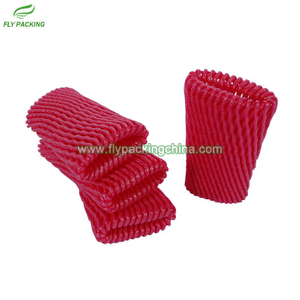
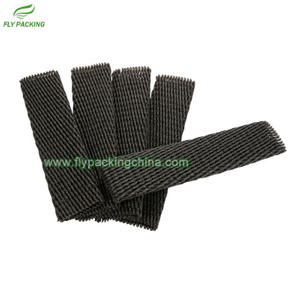
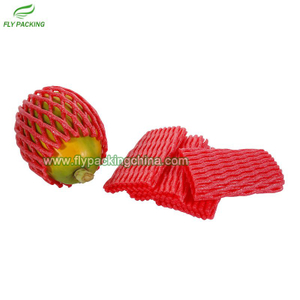
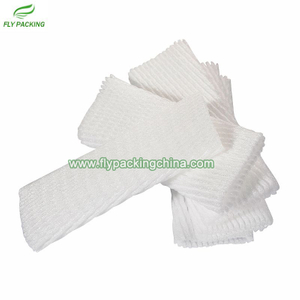
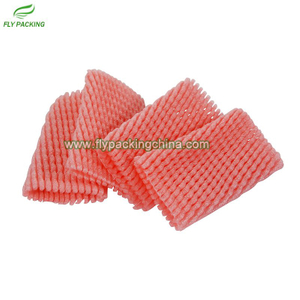
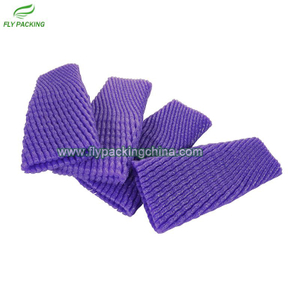
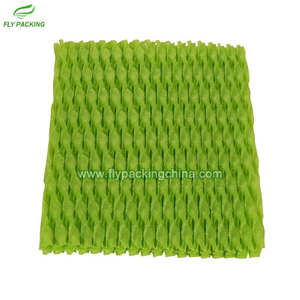
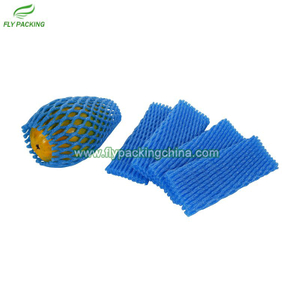
Foam used for fresh fruits and vegetables provides protection during shipping while also maintaining lightness.
Protective Packaging:
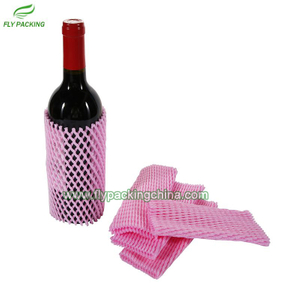
Closed-cell foam is often used in packaging to shield delicate items. This makes it especially valuable in the tech and e-commerce industries.
Soundproofing:
Foam products double as excellent soundproofing materials, dampening noise in both commercial and residential spaces.
Foam upholstery cushions are a game-changer for furniture design, agricultural use, and packaging. By understanding the types of foam available and their applications, you can ensure the best investment for your home or business.
If you’re looking for premium-quality foam cushions, Fly Packing offers a wide range of solutions tailored to your needs. Their expertise in manufacturing ensures you'll receive durable, versatile, and eco-conscious products.
Take the next step toward ultimate comfort and quality. Contact Fly Packing today to learn more about foam upholstery cushions that deliver beyond expectations.

| | 1/F, NO.81, CHANGZHEN ROAD, SHUIKOU TOWN, KAIPING CITY, GUANGDONG, CHINA |
| | +86-0-136 3183 6942 / +86-0-134 2677 9895 +86-750-2280358 |
| |