Views: 19 Author: Site Editor Publish Time: 2026-04-24 Origin: Site
Finding the right packaging for fragile items is a constant challenge for businesses across agricultural and manufacturing sectors. You need materials that prevent bruising, scratching, and breakage during transit. Standard packaging often falls short when handling premium fruits, delicate glassware, or heavy bottled beverages.
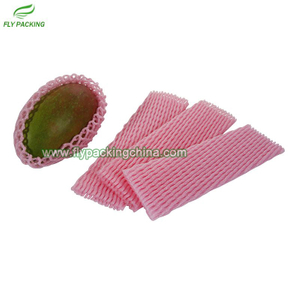
This is where the double layers foam net steps in to solve complex packaging problems. By providing an extra level of cushioning, these specialized nets absorb shocks that would otherwise damage your valuable inventory. They mold perfectly around objects of varying shapes, ensuring a snug fit that prevents movement inside shipping boxes.
Choosing the correct protective wrapping directly impacts your bottom line. Fewer damaged goods mean higher customer satisfaction and lower return rates. In this guide, we will explore how double layers foam nets function, the wider applications of foam mesh, and why sourcing from China has become the industry standard for securing high-quality packaging supplies.
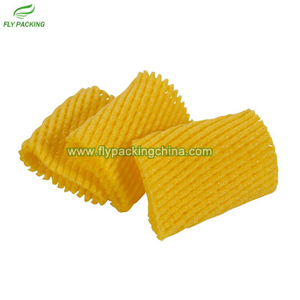
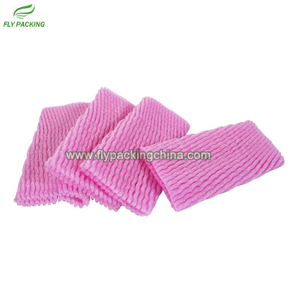
A double layers foam net is extruded from polyethylene, creating a highly flexible, shock-absorbing sleeve. While standard nets feature a single layer of expanded foam, the double-layered variety features an interwoven, dual-structure design. This creates a thicker barrier between the product and external forces.
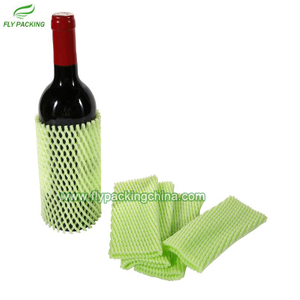
The primary advantage of this design is enhanced shock absorption. If a package is dropped or bumped during transit, the outer layer takes the initial impact while the inner layer provides a secondary cushion. This makes it an ideal choice for heavier items that easily crush single-ply nets, such as large papayas, premium wine bottles, and heavy ceramics.
Foam mesh is highly adaptable. Because the material expands significantly, a single size of foam mesh can accommodate a wide range of product dimensions. You can stretch it over a small apple or expand it to cover a wide melon, and it will snap back to hold the item securely.
Beyond agricultural products, foam mesh serves a vital role in industrial and retail packaging. Cosmetics companies use it to protect glass serum bottles. Electronics manufacturers rely on it to keep components scratch-free. Its breathable nature also prevents moisture buildup, which is crucial for preventing mold on fresh produce.
To understand how double layers compare to standard options, review this breakdown of their features:
Feature | Single Layer Foam Mesh | Double Layers Foam Net |
|---|---|---|
Shock Absorption | Basic cushioning for light impacts | Advanced protection for heavy drops |
Thickness | Thin and lightweight | Thick, dense, and highly resilient |
Ideal Products | Apples, pears, small cosmetics | Wine bottles, large melons, glassware |
Durability | Prone to tearing under high tension | Resists tearing, holds shape well |
Cost | Highly economical | Slight premium for added protection |

When businesses look to scale their packaging operations, they frequently turn to international manufacturers. Sourcing a China double layers foam net offers a distinct combination of quality and cost-effectiveness. Chinese manufacturers have invested heavily in advanced extrusion technology, allowing them to produce massive quantities of foam packaging with consistent quality control.
Buying directly from Chinese suppliers allows businesses to customize their orders. You can specify the exact length, diameter, color, and density of the netting to match your branding and product requirements. Furthermore, established supply chains mean that these manufacturers can fulfill bulk orders rapidly, ensuring you never run out of essential packaging materials during peak seasons.
Yes. Most double layers foam nets are made from EPE (Expanded Polyethylene), which is a 100% recyclable material. Check with your local recycling facilities to ensure they process EPE foam.
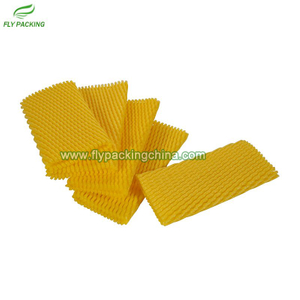
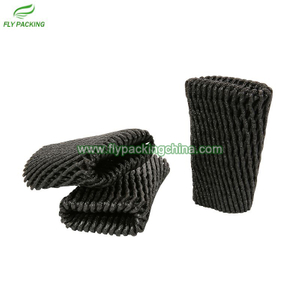
Absolutely. Manufacturers can adjust the expansion ratio, length, and color of the foam mesh. Red and yellow nets are often used for fruits to enhance their visual appeal on supermarket shelves, while white or black nets are preferred for industrial and luxury goods.
You should measure the widest circumference of your product. Foam nets are categorized by their resting width and their maximum stretched width. Always select a net where your product's circumference falls comfortably in the middle of that stretch range to ensure a secure, non-damaging fit.
Upgrading to a double layers foam net is a practical step toward eliminating transit damage and improving the presentation of your goods. Whether you are shipping delicate glass bottles or premium fresh produce, the right foam mesh provides the peace of mind that your products will arrive in pristine condition.
Take the time to evaluate your current damage rates and packaging costs. Reach out to reputable suppliers to request samples of China double layers foam net, and test them with your most fragile inventory. Upgrading your protective materials is an investment that pays for itself through reduced waste and happier customers.

| | 1/F, NO.81, CHANGZHEN ROAD, SHUIKOU TOWN, KAIPING CITY, GUANGDONG, CHINA |
| | +86-0-136 3183 6942 / +86-0-134 2677 9895 +86-750-2280358 |
| |