Views: 9 Author: Site Editor Publish Time: 2023-05-24 Origin: Site
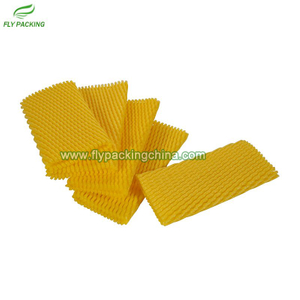
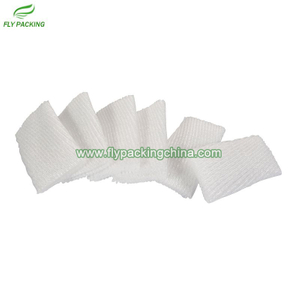
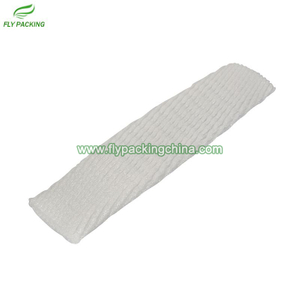
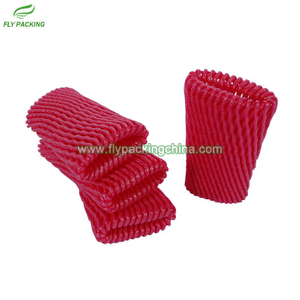
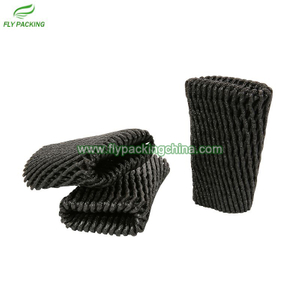
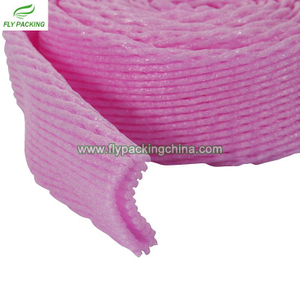
Foam nets, also known as foam fruit nets or polyethylene foam nets, are innovative packaging solutions that offer versatility, protection, and eco-friendliness. These lightweight and flexible nets are commonly used for packaging delicate fruits, vegetables, and other fragile items. In this article, we explore the benefits of foam nets, their various applications, and why they have gained popularity as a sustainable packaging alternative.
Protection and Cushioning
One of the key advantages of foam net is their exceptional protective capabilities. The net structure allows for the secure placement and cushioning of delicate items, preventing damage during transit. Foam nets act as a barrier, absorbing shocks and impact, and effectively reducing the risk of bruising or breakage. The soft and flexible nature of the polyethylene foam material provides a gentle and protective cushion around the packaged items, ensuring they arrive in pristine condition.
Versatility in Packaging
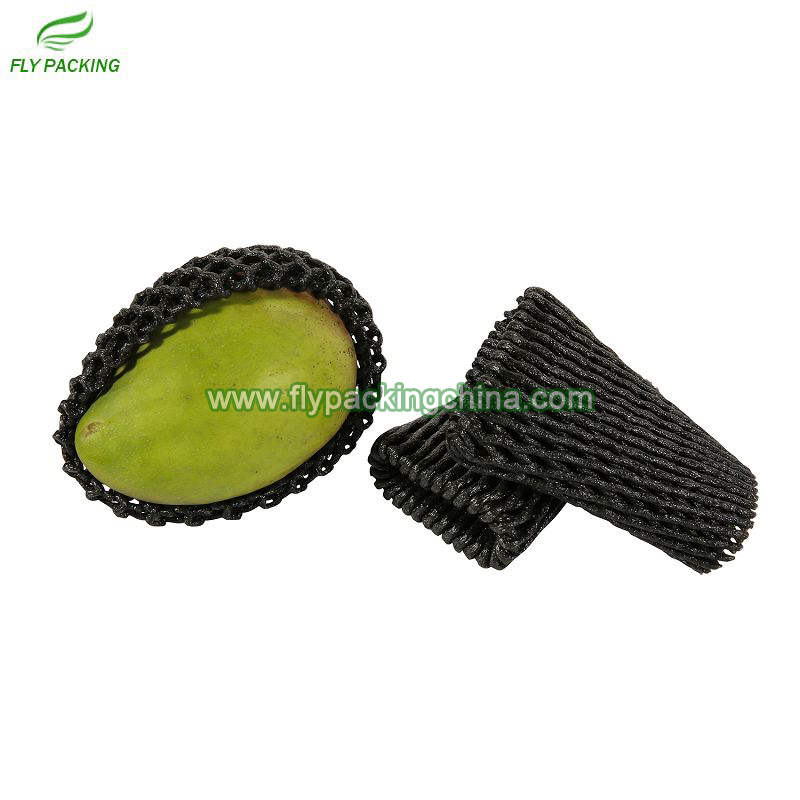
Foam nets are widely used in the packaging industry for a variety of products, particularly fruits and vegetables. These nets are specifically designed to cradle individual pieces, such as apples, oranges, lemons, avocados, or delicate produce like tomatoes and peaches. The foam net's open structure allows air circulation, which helps maintain the freshness and quality of the packaged items. The versatility of foam nets extends beyond the food industry, as they can also be used for packaging delicate ceramics, glassware, or other fragile objects.
Eco-Friendly Solution
One of the main reasons foam nets have gained popularity is their eco-friendly nature. Polyethylene foam nets are made from a type of plastic that is 100% recyclable and can be reused. Compared to traditional plastic packaging, foam nets have a lower environmental impact. The lightweight nature of foam nets reduces the amount of material used, contributing to reduced waste and transportation costs. Additionally, their recyclable properties make them an environmentally responsible choice for packaging solutions.
Reusable and Recyclable
Foam nets are not only recyclable but also reusable. After use, they can be easily cleaned and stored for future use. This reusability feature adds to their sustainability, as they can serve multiple packaging purposes before being recycled. Foam nets are a practical and cost-effective solution for businesses and consumers alike, as they can be utilized repeatedly without compromising on their protective capabilities.
Easy Handling and Storage
Foam nets are designed for user convenience. Their lightweight and flexible nature make them easy to handle during packaging and unpacking processes. The nets can be stretched and adjusted to accommodate different sizes and shapes of items. Their compact and stackable design allows for efficient storage, minimizing the space required in warehouses or retail settings. Foam nets provide practicality and ease of use for packaging operations of various scales.
Alternative Applications
Beyond packaging, foam nets have found alternative applications in various industries. They are commonly used in the aquaculture industry for fish farming, providing a protective layer around fish during transportation and handling. Foam nets are also utilized in the floral industry, where they offer support and cushioning for delicate flowers, ensuring their safe transportation and display. Additionally, foam nets can be repurposed for creative projects, such as arts and crafts, gardening, or DIY activities, showcasing their versatility outside of traditional packaging uses.
Conclusion
Foam net, or foam fruit net, is versatile packaging solutions that offer exceptional protection, versatility, and sustainability. Their ability to cradle and cushion delicate items, such as fruits, vegetables, and fragile objects, ensures their safe transportation and preservation. As an eco-friendly alternative to traditional plastic packaging, foam nets are recyclable and reusable, reducing waste and environmental impact. Their lightweight nature, easy handling, and alternative applications further contribute to their appeal. Embrace the advantages of foam nets, and choose an eco-friendly packaging solution that combines functionality, protection, and environmental responsibility.

| | 1/F, NO.81, CHANGZHEN ROAD, SHUIKOU TOWN, KAIPING CITY, GUANGDONG, CHINA |
| | +86-0-136 3183 6942 / +86-0-134 2677 9895 +86-750-2280358 |
| |