Post-harvest losses cost farmers billions every year. A bruised mango, a cracked pear, a scratched apple—this kind of damage rarely happens in the field. It happens in transit, during loading, stacking, and the long journey between farm and market. Packaging is where that battle is won or lost.Acros
Fresh produce and fragile goods face constant threats during transit. Vibration, pressure, friction, and shifting loads cause surface damage long before a product reaches its destination. For growers, packers, and exporters, the difference between a profitable shipment and a damaged one often comes
Fresh fruit is fragile. A single crate of mangoes or a pallet of apples can suffer significant surface damage during transit—not from dramatic accidents, but from the slow, grinding pressure of vibration, shifting weight, and poor gap control. Choosing the right cushioning material, sized correctly
Every damaged shipment tells the same story: something moved when it shouldn't have. A glass bottle shifted inside a crate. An apple pressed too hard against another. A ceramic piece absorbed one too many road vibrations. The result is the same—spoiled product, wasted effort, and a customer on the o
Damaged goods are expensive. A single shipment of bruised mangoes or cracked bottles can erase the margin on an entire container. For exporters managing long-haul freight across multiple climates and handling conditions, packaging isn't a secondary concern—it's a core operational decision.Foam net p
A single bruised apple can compromise an entire box. During shipping, apples are exposed to vibration, pressure, and friction—forces that cause surface damage long before the fruit reaches a retailer or consumer. The result is a costly chain of spoilage that growers, packers, and exporters deal with
Fresh fruit is vulnerable. A single bump in transit—a shift in the crate, pressure from adjacent boxes, or vibration on a long-haul truck—can bruise produce before it ever reaches the shelf. That bruising costs growers, packers, and exporters real money. Backer rod has emerged as a practical solutio
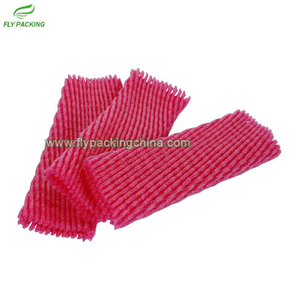
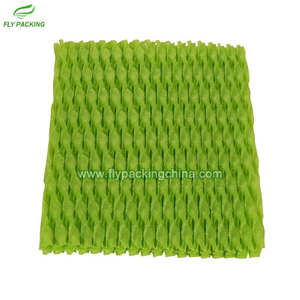
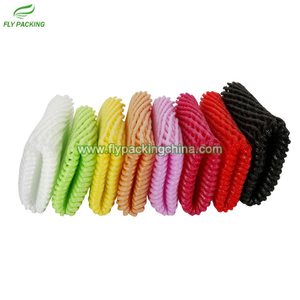
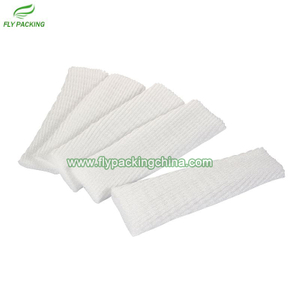
Foam netting has quietly become one of the most practical packaging materials in global supply chains. Growers, packers, exporters, and logistics companies rely on it daily—yet it rarely gets the attention it deserves. A bruised mango or a cracked bottle of wine might seem like a minor inconvenience
Views: 57 Author: Site Editor Publish Time: 2023-03-07 Origin: Site
GUAVA FRUIT FOAM NET BAGGING FOR BIRD AND FRUIT FLY DAMAGE CONTROL
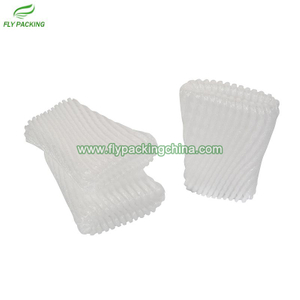
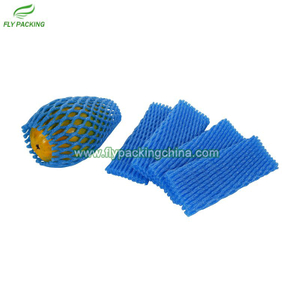
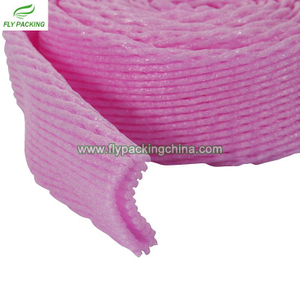
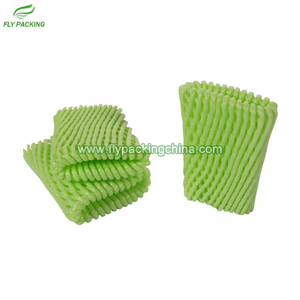
One Guava Foam net + One Plastic bag with holes = One set
The Caribbean fruit fly is one of the most damaging pests in Florida guava production. The larvae infest the fruit, rendering it unfit for human consumption. To avoid fruit fly damage, bagging your guava baby on the tree with our guava protection foam net bags.
Fruit foam net bags provide excellent protection from fruit flies and birds. Using these bags can help to produce high quality Grade A fresh fruit. Fruit bags work better than screenhouses systems in tropical fruit culture as it allows beneficial insects and other biological control measures to be implemented in the orchard production system. More time is needed to evaluate the efficacy of bags on other fruit crop pests, such as the Oriental flower beetle, weevils, etc.
Fruit Foam Netting bags can be used on a wide array of tropical fruit crops in Hawaii. Fruit bags are a non-chemical, physical barrier pest management tool that growers can use in place of contact and systemic insecticides. Bags are widely available for purchase and provide excellent control of fruit fly and bird damage.
| | 1/F, NO.81, CHANGZHEN ROAD, SHUIKOU TOWN, KAIPING CITY, GUANGDONG, CHINA |
| | +86-0-136 3183 6942 / +86-0-134 2677 9895 +86-750-2280358 |
| |