Fresh fruit is fragile. A single crate of mangoes or a pallet of apples can suffer significant surface damage during transit—not from dramatic accidents, but from the slow, grinding pressure of vibration, shifting weight, and poor gap control. Choosing the right cushioning material, sized correctly
Every damaged shipment tells the same story: something moved when it shouldn't have. A glass bottle shifted inside a crate. An apple pressed too hard against another. A ceramic piece absorbed one too many road vibrations. The result is the same—spoiled product, wasted effort, and a customer on the o
Damaged goods are expensive. A single shipment of bruised mangoes or cracked bottles can erase the margin on an entire container. For exporters managing long-haul freight across multiple climates and handling conditions, packaging isn't a secondary concern—it's a core operational decision.Foam net p
A single bruised apple can compromise an entire box. During shipping, apples are exposed to vibration, pressure, and friction—forces that cause surface damage long before the fruit reaches a retailer or consumer. The result is a costly chain of spoilage that growers, packers, and exporters deal with
Fresh fruit is vulnerable. A single bump in transit—a shift in the crate, pressure from adjacent boxes, or vibration on a long-haul truck—can bruise produce before it ever reaches the shelf. That bruising costs growers, packers, and exporters real money. Backer rod has emerged as a practical solutio
Foam netting has quietly become one of the most practical packaging materials in global supply chains. Growers, packers, exporters, and logistics companies rely on it daily—yet it rarely gets the attention it deserves. A bruised mango or a cracked bottle of wine might seem like a minor inconvenience
Fresh produce takes a beating on the way to market. A bump in a crate, a long haul over rough roads, or one tight squeeze can leave bruises that turn sellable fruit into waste. For growers, packers, and distributors, that loss eats straight into profits.Foam-based protective packaging gives you a si
Fresh fruit is delicate. A single drop, a tight squeeze in a crate, or a long ride over rough roads can leave bruises that turn good produce into waste. For growers, packers, and distributors, that damage adds up fast. Foam net offers a simple, affordable answer—a lightweight foam sleeve that hugs e
Views: 64 Author: Site Editor Publish Time: 2022-01-11 Origin: Site
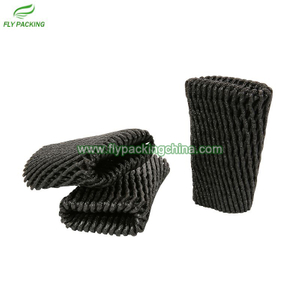
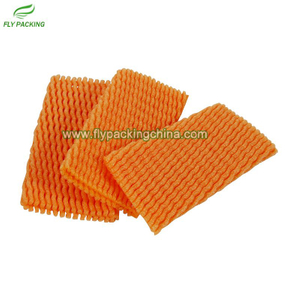
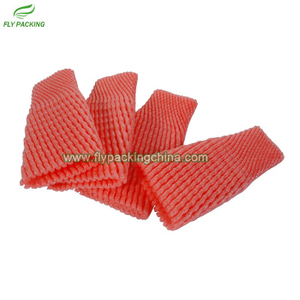
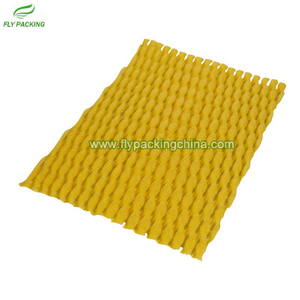
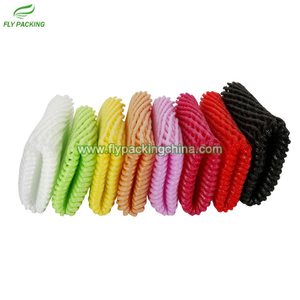
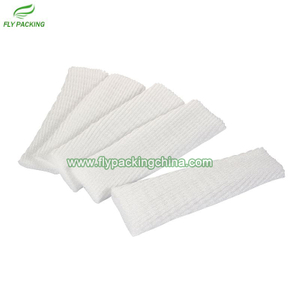
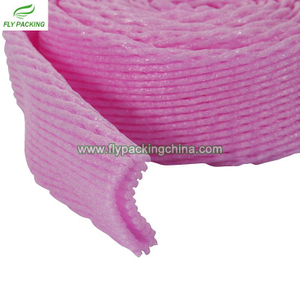
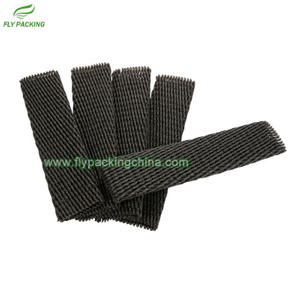
The foam net for fruit packaging offers quality protection for your valuables. It is suitable for transport and storage and comes in various shapes and sizes. This material doesn't tear easily and offers superior durability and quality. The benefits of using foam netting for fruits are not limited to protection. You can use this product to keep your pet out of the road or to keep unwanted bees from your garden. This product is designed with safety in mind and can provide multiple benefits for you and your business.
This material is flexible and firm. It provides optimum protection for the fruit and doesn't affect the taste or quality. While most manufacturers already include foam netting in their boxes, it's better to have an extra one at home. This will prevent you from wasting time and money on unnecessary netting. Once you buy a foam netting for fruit, you'll be glad you did! It's a great way to protect your fruits, and it's an inexpensive way to keep them safe during shipping.
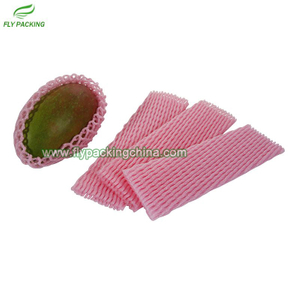
Foam netting is commonly used as padding material for fruit during transport. It is made from polyethylene foams and comes in different sizes. You can purchase foam netting for specific products such as mango or potato chips. It will help your fruits stay firm and fresher while in transit. Further, it prevents bruising or scratching on the peel and ensures the freshness and health of your product. And don't worry - the foam netting will protect your fruit!
| | 1/F, NO.81, CHANGZHEN ROAD, SHUIKOU TOWN, KAIPING CITY, GUANGDONG, CHINA |
| | +86-0-136 3183 6942 / +86-0-134 2677 9895 +86-750-2280358 |
| |