
Every piece of fruit that leaves a farm faces a journey it was never built for. Trucks jolt over uneven roads, pallets shift inside shipping containers, and temperature swings stress delicate skins long before a mango or a bottle of wine reaches a store shelf. A single bruise, crack, or scuff can tu

Fresh produce travels a long road before it reaches a grocery shelf or a dinner table. Along the way, bruising, compression, and surface scratches can turn a perfectly ripe piece of fruit into something no shopper wants to pick up. For growers, packers, and exporters, the margin between a saleable c

Fresh produce travels thousands of miles before it reaches a dinner table, and every mile adds risk. A single bruise on a mango or a hairline crack in a wine bottle can turn a profitable shipment into a loss. Packers, exporters, and growers have spent decades looking for materials that absorb shock

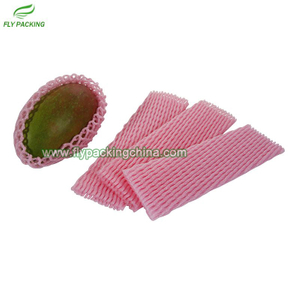
Mangoes are among the most bruise-prone fruits moved through global supply chains. Their thin skin and soft flesh mean even a light knock during loading or transport can leave a mark that shows up days later at the retail shelf. For growers and exporters, that kind of damage translates directly into

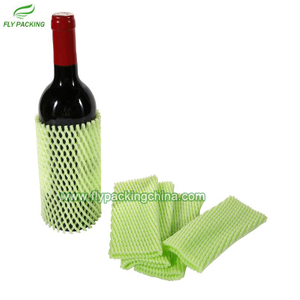
Bottles break for one simple reason: they move when they shouldn't. A wine bottle knocking against a crate wall, a glass jar rubbing its neighbor, a shipment jostled by hours of highway vibration—these small motions compound into cracks, scratches, and shattered stock by the time a package reaches i

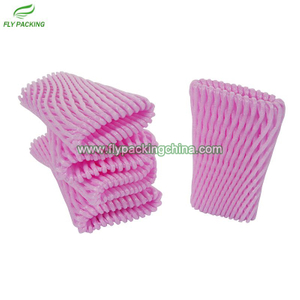
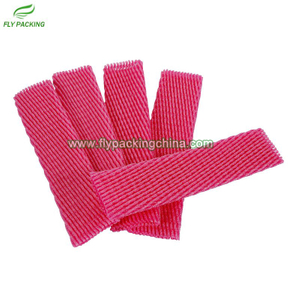
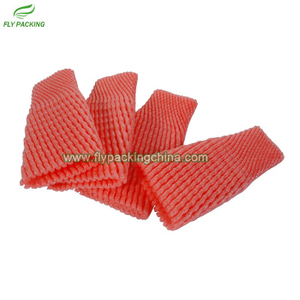
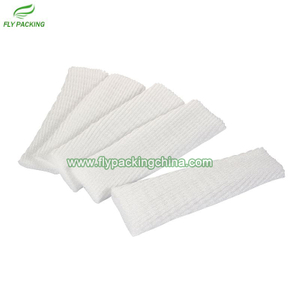
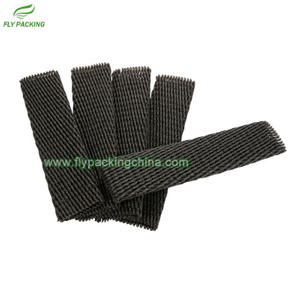
Foam nets protect fresh produce from bruising, scratching, and impact damage during transit. Single-layer options suit lighter fruits, while double-layer designs add extra cushioning for heavier or more delicate produce. Sourcing from a specialized manufacturer ensures consistent quality, reliable s

Long-distance freight puts constant pressure on delicate cargo. Vibration, stacking loads, and shifting weight cause most damage—not dramatic accidents, but slow, grinding contact over hundreds of miles. For growers, packers, and exporters, that damage eats directly into profit margins.Foam mesh sle

Bottles break for one simple reason: they move when they shouldn't. A wine bottle knocking against a crate wall, a glass jar rubbing its neighbor, a perfume flacon vibrating loose during a long haul—these small motions add up to cracks, scratches, and shattered goods by the time a package arrives.Fo
Views: 76 Author: Site Editor Publish Time: 2023-06-26 Origin: Site
In the world of sustainable packaging solutions, foam netting has emerged as an innovative alternative for fruit packaging. Traditional packaging materials often contribute to environmental waste, but foam netting offers a biodegradable and eco-friendly option. With its unique properties and versatile design, foam netting provides effective protection for delicate fruits while reducing plastic waste. In this article, we will explore the benefits of foam netting for fruit packaging, its sustainable features, and why it is gaining popularity as a sustainable choice for both consumers and producers.
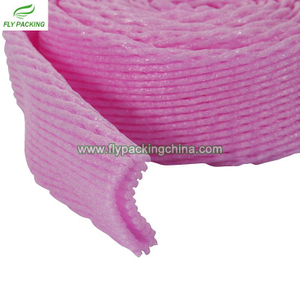
The Properties and Design of Foam Netting : Foam netting is made from a flexible and resilient foam material, often derived from biodegradable materials such as cornstarch or plant-based fibers. This foam material is carefully crafted into a net-like structure, creating individual compartments that securely hold fruits in place. The design allows for ventilation, preventing moisture buildup and ensuring optimal air circulation around the fruits.
The foam netting's cushioning effect provides excellent protection against impact during handling and transportation, reducing the risk of bruising or damage to the fruits. Moreover, the netting's soft and lightweight nature eliminates the need for excessive packaging materials, making it an efficient solution for fruit packaging.
Sustainability Benefits of Foam Netting :
Biodegradability: Foam netting made from biodegradable materials is a sustainable alternative to conventional plastic packaging. Unlike traditional plastic netting, foam netting can naturally decompose over time, reducing its environmental impact and preventing long-term pollution.
Reduced Plastic Waste: Foam netting helps address the global plastic waste problem. By utilizing biodegradable materials, it offers a viable option to replace single-use plastic netting commonly used in fruit packaging. This shift can significantly reduce the amount of plastic waste generated and contribute to a more sustainable and circular economy.
Versatility and Reusability: Fruit foam netting can be easily customized to accommodate different fruit shapes and sizes. Its flexibility allows it to adapt to various packaging requirements, providing optimal protection for a wide range of fruits. Furthermore, foam netting can be reused or repurposed by consumers for other purposes such as gardening or arts and crafts, extending its lifespan and reducing waste even further.
Improved Shelf Life: The breathable design of foam netting enables better airflow around the fruits, helping to prolong their shelf life. Proper ventilation reduces the buildup of moisture and allows fruits to remain fresh for longer periods, minimizing food waste.
Consumer and Industry Adoption : Foam netting is gaining traction as a sustainable choice among both consumers and the fruit packaging industry. As consumers become more environmentally conscious, they seek out products that align with their values. The use of foam netting demonstrates a commitment to sustainability, resonating with eco-conscious consumers who prioritize reducing plastic waste.
In addition, the fruit packaging industry recognizes the importance of adopting sustainable practices. Foam netting provides an eco-friendly alternative that maintains the necessary protection and quality standards for fruits while minimizing the environmental impact foam fruit wrapper.
Furthermore, governments and regulatory bodies are increasingly emphasizing the importance of sustainable packaging solutions. This shift in focus towards environmentally friendly alternatives encourages the industry to explore innovative options like foam netting to meet both consumer demand and sustainability goals.
Conclusion : Foam netting represents a sustainable solution for fruit packaging, offering the dual benefits of protecting delicate fruits while reducing plastic waste. Its biodegradable properties, reduced plastic usage, versatility, and improved shelf life make it an appealing choice for both consumers and the fruit packaging industry. As the demand for eco-friendly packaging solutions continues to rise, foam netting stands as a viable and innovative option that promotes a greener future for the packaging industry while ensuring the freshness and integrity of our beloved fruits.

| | 1/F, NO.81, CHANGZHEN ROAD, SHUIKOU TOWN, KAIPING CITY, GUANGDONG, CHINA |
| | +86-0-136 3183 6942 / +86-0-134 2677 9895 +86-750-2280358 |
| |